
Plants
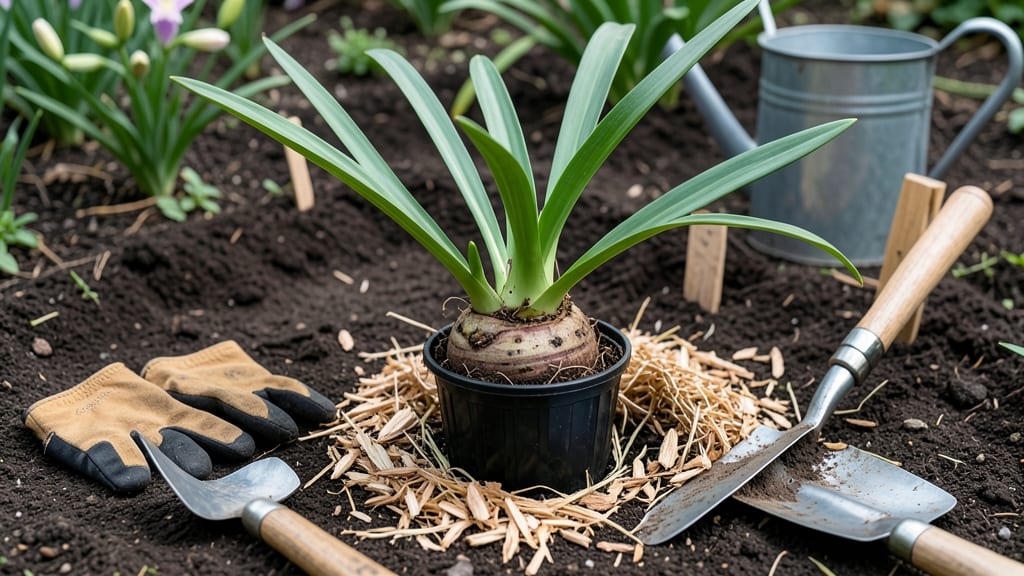
Planting your Daylily 🌸 bulbs at the wrong time in Zone 8 can mean the difference between vibrant blooms and struggling growth. The key isn't just about seasons—it's about soil temperatures, rainfall patterns, and avoiding those pesky late frosts that sneak up when you least expect them.
If you've ever wondered why some gardeners swear by fall planting while others insist on spring, here's the secret: timing matters more than you think.
In Zone 8, where winters are mild and summers can be brutal, getting those rhizomes in the ground at the right moment ensures strong root establishment before the heat sets in.
I'll walk you through the exact windows—early spring or early fall—that give your Daylilies the best shot at thriving, plus how to prep your soil and avoid common mistakes that could sabotage your garden. Let's get those 🌸 blooms off to a flying start!
Whether you're a first-time planter or a seasoned gardener, these insights will help you navigate Zone 8's unique climate challenges. Ready to transform your garden with confident planting decisions? Let's dive in.
Best planting months for Daylilies in Zone 8 (with soil temperature rules)
Daylilies in Zone 8 thrive when planted during two key windows: early spring (March–April) or early fall (September–October). These periods align with soil temperatures between 55–65°F, ideal for root establishment without heat stress.
Spring planting works best after your last frost date (typically mid-March in Zone 8), when soil warms consistently. Fall planting, however, should occur 6–8 weeks before first frost (around October) to allow roots to anchor before winter dormancy.
Zone 8’s microclimates matter—Northern sub-zones (like Zone 8a) may need slightly later spring planting, while Southern areas (like Zone 8b) can handle early fall planting even into November.
Soil temperature is critical: Use a soil thermometer to confirm 60°F+ for spring planting or 55–65°F for fall. Cooler soils delay growth, while hotter soils can scorch young roots.
Heatwaves in Southern Zone 8 (e.g., Phoenix, San Diego) may require shade cloth during summer planting, while Northern areas (e.g., Atlanta, Dallas) face frost risks if planting too late.
Moon phases also influence success: Planting during a waxing moon (root growth phase) boosts root development. Check lunar calendars for Zone 8’s optimal dates.
| Season | Ideal Months | Soil Temp | Key Considerations |
|---|---|---|---|
| Spring | March–April | 60–70°F | After last frost; mulch to retain moisture |
| Fall | September–October | 55–65°F | 6–8 weeks before frost; avoid waterlogged soil |
| Summer | Avoid | N/A | Risk of heat stress; only transplant established clumps |
| Winter | Avoid | N/A | Dormant period; focus on soil prep |
For container planting, adjust timing slightly—containers warm faster, so aim for late April in spring or early October in fall to prevent root shock from temperature swings.
Always test your soil’s pH (6.0–7.0 ideal) and amend with compost or sand for drainage. Daylilies hate soggy roots, especially in Zone 8’s humid summers.
Pro tip: Mark your calendar for Zone 8’s average frost dates (March 15 last frost, November 15 first frost) and plant 4–6 weeks before either event for foolproof timing.
Best planting months for Daylilies in Zone 8 (with soil temperature rules)
In Zone 8, where winters are mild and summers can be scorching, timing your Daylily 🌸 bulbs planting is everything. The ideal windows are early spring (March-April) or early fall (September-October), but soil temperature is the real game-changer.
Too cold, and roots won’t establish; too hot, and they’ll struggle before summer’s peak heat arrives.
Most gardeners in Zone 8 focus on spring planting after the last frost (typically around March 15), but fall planting offers a hidden advantage: cooler soil temperatures and fewer pests. The key is getting those rhizomes in the ground 6-8 weeks before the first frost—usually by early October.
Here’s the secret: soil temperature should be between 50°F and 70°F (10°C-21°C) for optimal root growth. In Zone 8’s Southern regions (like Zone 8b-9), soil warms up faster, so you can plant slightly earlier.
Northern Zone 8 areas (like Zone 8a) may need to wait until late March or early April to avoid late frosts.
| Planting Window | Soil Temp Requirement | Key Considerations |
|---|---|---|
| Early Spring (March-April) | 50°F-65°F (10°C-18°C) | Post-frost; avoid soggy soil |
| Early Fall (September-October) | 60°F-70°F (15°C-21°C) | Before heatwaves; 6-8 weeks pre-frost |
| Avoid Summer Planting | Above 80°F (27°C) | Risk of heat stress; poor root growth |
If you’re in Southern Zone 8 (like San Diego or Phoenix), you can push spring planting to February—just confirm soil temps are above 55°F (13°C).
Northern Zone 8 areas (like Dallas or Atlanta) should wait until mid-April to avoid late frosts that can damage tender new shoots.
Pro tip: Use a soil thermometer to check temps at 4-inch depth. If it’s below 50°F (10°C), wait a week or two—your Daylilies will thank you with stronger roots and bigger blooms come summer.
And remember, fall planting gives rhizomes time to establish before winter dormancy, setting you up for earlier blooms next year.
Timing isn’t just about the calendar—it’s about reading your microclimate. Shady spots stay cooler longer, while sunny areas warm up faster. Adjust your schedule based on local frost dates and soil conditions. With the right timing, your Daylilies will reward you with vibrant, long-lasting blooms all season long. 🌿