
Plants
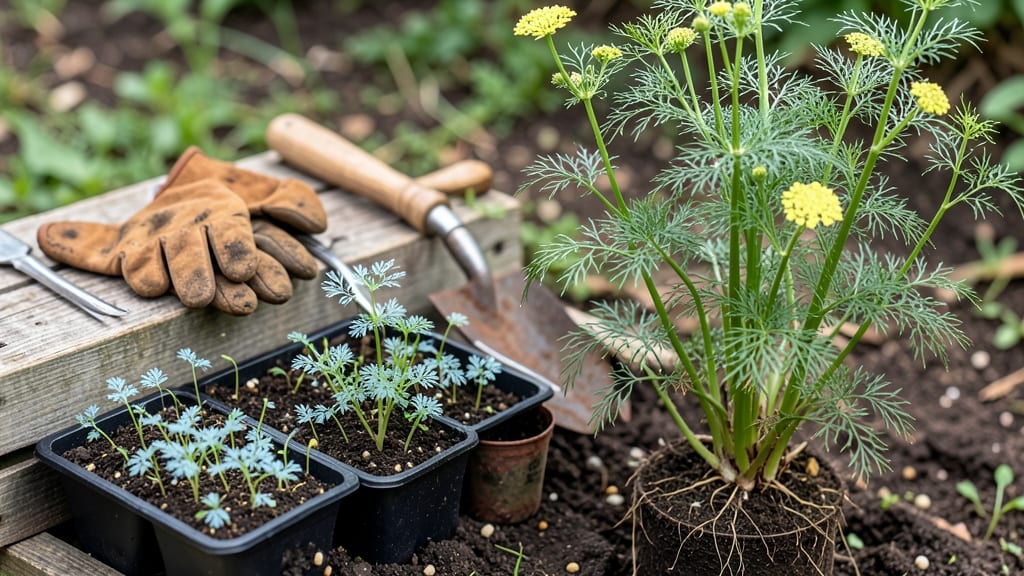
Timing your dill planting in Oregon can mean the difference between a bountiful harvest and a sad, wilted 🌿 disappointment. With the state's varied climate—from coastal chill to inland warmth—getting those seeds in the ground at just the right moment is key to growing flavorful, thriving dill.
Most gardeners in Oregon's USDA Zones 7b-9a swear by two ideal planting windows: early spring (March-April) and late summer (July-August). These timings align perfectly with the last frost dates and ensure your dill has enough warm days to mature before cooler weather sets in.
Whether you're starting seeds indoors or sowing directly outdoors, understanding these seasonal secrets will help you avoid common mistakes like planting too early (risking frost damage) or too late (missing the harvest window). Let's dive into the best strategies for your Oregon garden.
From soil prep to companion planting, I'll walk you through everything you need to know to grow vibrant, productive dill that'll make your kitchen taste like summer. Ready to get started?
Best planting times for dill in Oregon by USDA Zone
Oregon’s diverse microclimates—from coastal fog to inland heat—create unique challenges for growing dill. Unlike many herbs, dill thrives in cool-season windows, but timing depends heavily on your USDA zone.
In Zone 6 (eastern Oregon), last frosts can linger until May 15, while Zone 9 (southern Willamette Valley) may see frost-free soil by March 1. Coastal areas often have delayed planting due to persistent dampness, while inland zones can push late-summer sowing for fall harvests.
Dill is a cool-season annual that bolts quickly in heat over 85°F. This means spring planting (March–April) is ideal for most of Oregon, but late-summer sowings (July–August) work in Zone 8–9 for a fall harvest.
The key is soil temperature: seeds need 50–70°F soil to germinate, which coastal areas may not hit until late April.
Here’s how to adjust your planting schedule based on Oregon’s three main growing zones:
OR
July 15–Aug 1
OR
July 1–July 15
OR
June 15–July 15
OR
July 30–Aug 10
For coastal Oregon (e.g., Astoria, Newport), delay planting until soil warms above 60°F, often late April or May. The foggy marine layer keeps soil cooler longer, so direct-sow after May 15 for best results.
Inland areas like Bend or La Grande can plant 2–3 weeks earlier due to warmer nights.
If you’re growing dill for seeds (not just leaves), aim for late-summer sowings in Zone 7–9. Seeds take 6
Best planting times for dill in Oregon by USDA Zone
Oregon’s diverse climate—from the cool coastal fog of the West Coast to the warmer inland valleys—creates unique challenges for growing dill. The key to success lies in planting at the right time to avoid frost damage or heat stress.
Most gardeners in USDA Zones 7b-9a focus on two primary windows: early spring and late summer.
For spring planting, aim for late March to early April—just after your last frost date. Inland areas like Bend or Salem can plant slightly earlier (mid-March), while coastal regions like Astoria or Portland should wait until early April to avoid chilly soil temperatures.
Dill thrives in warm soil (60°F+), so don’t rush it!
Your soil’s readiness is critical. Test it with a soil thermometer—dill seeds need consistent warmth to germinate. If your garden soil is still cold, consider starting seeds indoors 4-6 weeks before your target outdoor date.
This gives you a head start on the 60-75 day growth cycle needed for harvest.
| USDA Zone | Best Planting Window | Soil Temp | Harvest Window | Key Tip |
|---|---|---|---|---|
| Zone 7b (e.g., Eugene) | Late March–Early April | 60°F+ | June–July | Use row covers for early frosts |
| Zone 8a (e.g., Portland) | Early April–Mid-April | 60°F+ | Late June–August | Direct-sow after last frost |
| Zone 9a (e.g., Medford) | Late February–March | 55°F+ | May–June | Watch for heat stress in summer |
| Coastal (e.g., Newport) | Early April–May | 58°F+ | July–August | Choose compact varieties for wind |
Don’t overlook late summer planting (July–August) for a fall harvest. This works best in warmer inland zones like Zone 9a, where dill can mature before the first frost (typically mid-October). Plant seeds 4-6 weeks before your expected frost date to ensure a full harvest cycle.
For coastal gardeners, late summer planting is riskier due to cooler temperatures. If you try it, opt for fast-maturing varieties like ‘Bouquet’ or ‘Fernleaf’ and use black plastic mulch to warm the soil. Always monitor your local frost forecast—Oregon’s marine layer can bring unexpected chills!
Pro tip: Mark your calendar for June 21st (summer solstice) as a reminder to start your late-summer planting prep. By then, you’ll know if your garden is ready for another round of flavorful dill before winter sets in. 🌿