
Plants
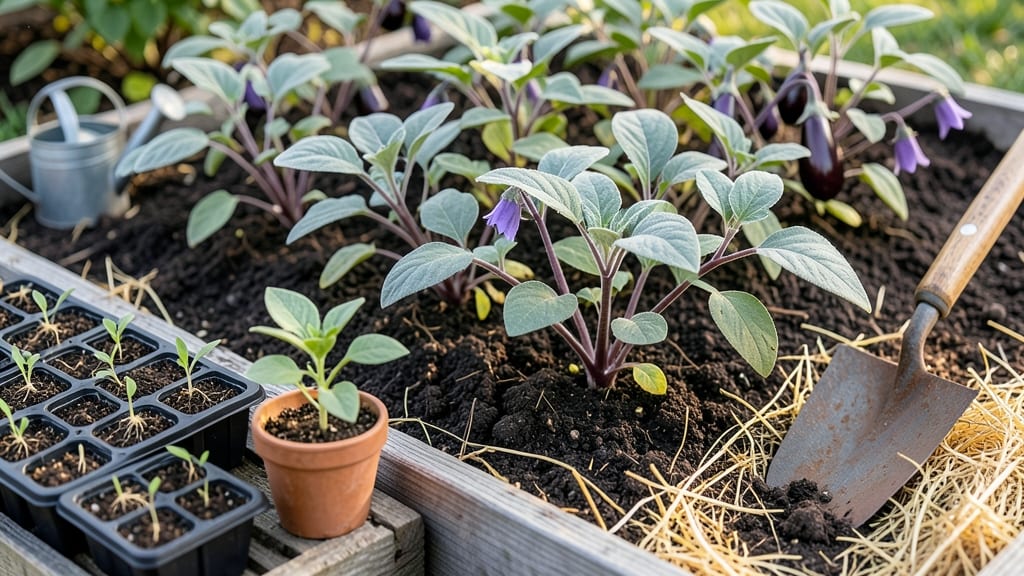
Timing your eggplant 🍆 planting in Southern California isn’t just about the calendar—it’s about dodging coastal chill and inland heatwaves that can wreck your harvest. Plant too soon, and your seedlings might bolt; too late, and the scorching sun stunts growth before fruit sets.
The sweet spot depends on whether you’re near the coast or inland—and here’s how to nail it for maximum yields.
Most gardeners in zones 9b-11 swear by two planting windows: spring (March–June) and late summer (August–September). But coastal areas like San Diego need a head start—transplanting in late March avoids sudden temperature swings, while inland spots like Riverside can wait until mid-April when soil warms to 60°F+.
The key? Monitor soil temps and watch for those first true leaves.
If you’re aiming for a fall harvest, August–September is your second chance—but hurry. Eggplants hate extreme heat, so inland growers should plant by early August to avoid wilting before fruit matures. Coastal zones have a little more wiggle room, but don’t drag it past mid-September or risk stunted growth.
Succession planting? Absolutely—but only if you’re ready to babysit your plants through Southern California’s quirks.
Ready to avoid the common mistakes? I’ll walk you through the exact steps to time your eggplant planting like a pro, from soil prep to transplanting, so you’re harvesting glossy, ready-to-eat fruit by summer’s end—or even winter. Let’s get growing!
Southern California eggplant planting calendar: coastal vs inland timing guide
Eggplant thrives in Southern California’s warm climate, but timing matters—especially when comparing coastal chill (like San Diego) to inland heat (like Palm Springs). Coastal areas can plant earlier, while inland zones risk heat stress if started too soon.
The key? Soil temperature must stay above 60°F for seeds to germinate and 70°F for transplants to thrive.
For coastal regions (USDA Zones 9b-10), aim to transplant eggplant seedlings 2-4 weeks after your last frost date, which is typically mid-February to early March. Inland areas (Zones 10a-11) should wait until mid-April to early May to avoid extreme heat stunting growth.
Both zones can also try late-summer plantings (August-September) for fall harvests.
Direct seeding is rare for eggplant—it’s slower and riskier. Instead, start seeds indoors 8-10 weeks before transplanting or buy healthy transplants from local nurseries once soil warms. Coastal gardeners can even plant as early as February under row covers for extra protection.
Here’s the breakdown for your specific zone:
| Zone & Location | Best Transplant Window | Soil Temp Requirement | Late-Summer Option | Harvest Window |
|---|---|---|---|---|
| Coastal (LA, San Diego, Santa Barbara) | Mid-February to early April | 60°F+ (seeds), 70°F+ (transplants) | August 15–September 15 | June–October (spring) or October–December (fall) |
| Inland (Riverside, Palm Springs, San Bernardino) | Mid-April to early May | 70°F+ (seeds), 75°F+ (transplants) | August 1–September 10 | July–October (spring) or September–November (fall) |
| High Desert (Joshua Tree, Twentynine Palms) | Late April to early June | 75°F+ (seeds), 80°F+ (transplants) | September 1–15 | August–October (spring) or October–November (fall) |
Pro tip: Use a soil thermometer to confirm temps before planting. Eggplant roots struggle in cold soil, leading to poor germination or stunted growth. If your soil is still chilly, mulch heavily with straw or black plastic to warm it faster.
For succession planting, coastal gardeners can squeeze in a second crop by planting late-summer seedlings (August). Inland areas may only get one harvest per year due to intense summer heat, but shade cloth can help extend the season.
Choose heat-tolerant varieties like ‘Black Beauty’ or ‘Ichiban’ for inland zones.
Remember: Eggplant needs consistent moisture and rich soil. Amend your beds with compost or aged manure before planting, and water deeply at the base (not overhead) to prevent fungal diseases like powdery mildew, which thrives in Southern California’s humid coastal air.
🌱
Southern California eggplant planting calendar: coastal vs inland timing guide
Eggplant 🍆 thrives in Southern California’s frost-free climate, but timing matters more than you’d think. The coastal chill of San Diego can delay growth, while inland heat in Palm Springs demands earlier starts. Your best bet? Plant when soil hits 60°F+ and nighttime temps stay above 55°F.
For coastal zones, aim for late March to early May, while inland areas can wait until mid-April to June—but avoid extreme summer heat.
Most Southern California gardeners swear by two planting windows: spring (March–June) for summer harvests and late summer (August–September) for fall yields. The key difference? Coastal areas have 2–3 weeks earlier windows than inland spots due to slower soil warming.
For example, Los Angeles can plant in early April, while Riverside waits until mid-April to avoid heat stress on seedlings.
Here’s the breakdown you need to avoid common timing mistakes:
| Zone Type | Best Planting Window | Soil Temp Threshold | Transplant Ready | Harvest Window |
|---|---|---|---|---|
| Coastal (e.g., LA, San Diego) | Late March–Early May | 60°F+ (warms slower) | Early April–Mid-May | June–October |
| Inland (e.g., Riverside, Palm Springs) | Mid-April–June | 65°F+ (warms faster) | Late April–Early June | July–November |
| Fall Planting (Both Zones) | August–September | 60°F+ (avoid heat >90°F) | Late August–Early September | October–December |
Direct seeding is possible but risky—eggplant seedlings hate being transplanted, so most gardeners opt for transplants from nurseries. If starting seeds indoors, begin 8–10 weeks before your zone’s transplant window.
For coastal areas, that means mid-January starts, while inland gardeners can wait until late February. Pro tip: Use black plastic mulch to warm soil faster in cooler zones.
Succession planting works in Southern California, but only if you’re strategic. For spring plantings, stagger transplants every 2–3 weeks until early June. For fall, plant every 3 weeks from August through September.
Just remember: eggplants bolting (premature flowering) is a real risk if temps spike above 90°F, so avoid late summer plantings in inland heatwaves.
Ready to lock in your planting dates? Grab a soil thermometer, check your local microclimate, and mark your calendar—your first glossy eggplant is just months away! 🌱