
Plants
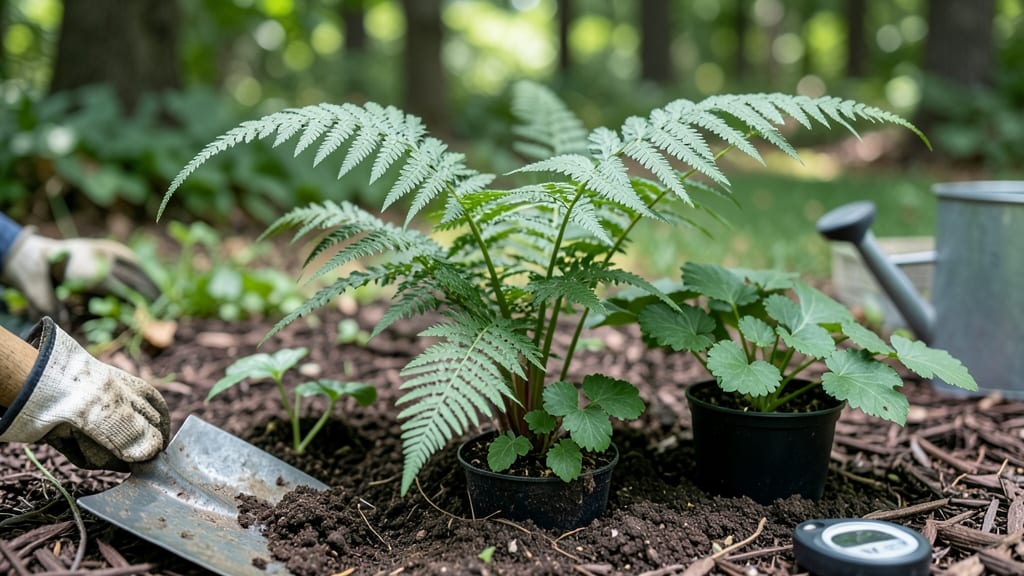
Planting ferns in Michigan at the wrong time can mean wilted fronds before they even get started—but timing it right transforms your garden into a lush, green sanctuary.
The key is understanding Michigan’s 5b-6b climate zones, where spring’s unpredictable frost dates make the difference between thriving 🌿 and struggling growth.
Most Michigan gardeners get the best results by planting ferns in April or May, once the soil warms and the last frost has passed. This gives your ferns the head start they need to establish roots before summer’s heat sets in.
But if you’re in northern Michigan, you might want to wait until early June to avoid early-season chills.
Why does timing matter so much? Ferns are sensitive to cold snaps, and planting too early can stunt their growth. The secret is preparing your soil with moisture-retentive amendments—like compost—and choosing shade-loving varieties that thrive in Michigan’s partial sunlight.
Let’s break down the exact steps to get your ferns off to the best possible start.
Whether you’re a seasoned gardener or just starting, mastering the best months to plant ferns in Michigan will give you that envy-worthy garden everyone raves about. Ready to turn your yard into a fern paradise? Let’s dive in.
Best planting months for ferns in Michigan’s climate zones
Timing your fern planting in Michigan depends on balancing soil warmth, frost risk, and your specific USDA zone. Most gardeners in zones 5b-6b plant ferns in April or May when soil temperatures reach 50°F (10°C).
This timing ensures roots establish before summer heat arrives, while avoiding late frosts that can damage tender fronds.
For northern Michigan (e.g., Traverse City), aim for late April to early May—wait until after the last frost date (typically May 15). In southern Michigan (e.g., Detroit), you can plant as early as mid-April, but monitor nighttime temperatures to avoid frost damage.
Early fall planting (early September) is also viable for container-grown ferns, giving roots time to establish before winter dormancy. However, avoid planting in October or later, as roots won’t have enough time to harden off before frost.
Ferns thrive in moist, well-draining soil with partial shade. Before planting, amend your soil with organic matter (like compost or peat moss) to retain moisture—a critical need for ferns in Michigan’s hot, dry summers. A 2-3 inch mulch layer helps maintain soil moisture and regulate temperature.
If you’re using bare-root ferns, soak roots in water for 1-2 hours before planting to reduce transplant shock. For container-grown ferns, plant them at the same depth as their nursery pot to avoid stressing the root ball.
Pro tip: Test your soil’s pH level (ideal range: 5.0–6.5 for most ferns). Michigan’s native soils often lean toward alkaline, so amend with sulfur or pine needles if needed. Acid-loving ferns like Christmas Fern will thrive with these adjustments.
🌱
| Planting Window | Soil Prep | Frost Risk | Best For |
|---|---|---|---|
| Mid-April to early May | Amend with compost; ensure moisture retention | Low (after last frost) | Southern Michigan (zones 6a-6b) |
| Late April to early May | Add peat moss; mulch heavily | Moderate (watch for late frosts) | Central Michigan (zones 5b-6a) |
| Early September (fall) | Light compost; avoid heavy fertilizers | None (roots establish before frost) | Container ferns or late-season planting |
| Avoid October+ | N/A (roots won’t harden in time) | High (frost damage risk) | All Michigan regions |
If you’re planting ferns in containers, choose pots with drainage holes and use a well-draining potting mix blended with perlite or orchid bark to prevent root rot—a common issue in Michigan’s humid summers.
Place containers in partial shade (e.g., under tree canopies or on east-facing porches) to protect fronds from direct afternoon sun.
For ground covers, space ferns 12–24 inches apart depending on the variety. Larger ferns like Ostrich Fern need more room, while smaller types like Maidenhair Fern can be planted closer together in shady borders or woodland gardens.
After planting, water deeply to settle soil around roots, then maintain consistent moisture (but avoid waterlogging). Ferns in Michigan’s clay soils may need extra attention—amend with sand or coconut coir to improve drainage if your soil feels compacted.
💧
How Michigan’s frost dates affect fern planting success
Understanding Michigan’s frost dates is the secret to planting ferns at the perfect time. In USDA zones 5b-6b, the last spring frost typically hits around mid-April, but northern Michigan can see frost as late as early May.
Planting too early risks cold damage to delicate fern roots, while waiting too long may stunt early growth.
Most Michigan gardeners should aim to plant ferns 2-4 weeks after the last frost. This gives soil time to warm to at least 50°F, ideal for root establishment. Use a frost calendar from your local Michigan extension office to pinpoint the safest dates for your area.
Signs your ferns are ready for Michigan’s spring chill include new frond growth and firm, green stems. If planted too early, ferns may develop yellowing fronds or stunted growth—clear warnings to adjust your planting schedule next year.
For northern Michigan, where frost lingers longer, consider container planting to move ferns indoors if nighttime temps drop below 40°F. This flexibility lets you start earlier in the season without risking damage.
🌿 Pro Tip: Test soil temperature with a thermometer—55°F+ is ideal for fern planting in Michigan’s cooler zones.
Planting ferns in Michigan before the last frost date can cause irreversible damage. Even hardy varieties like Ostrich Ferns struggle with temps below 32°F. Use row covers if early planting is unavoidable, but remove them by mid-May to prevent overheating.
🌡️ Key Stat: Michigan’s average first frost in fall is mid-October, giving ferns 150-180 frost-free days to thrive.
If you’re in southern Michigan, where frost arrives later, you can plant ferns as early as late March under cloche protection. Monitor local weather forecasts for 3-day warm spells—this consistency signals it’s safe to plant.
For container-grown ferns, harden off plants gradually if moving them outdoors after frost. Acclimate them to Michigan’s variable spring temps by placing them in partial shade for 2-3 hours daily before full exposure.
Remember: Frost dates aren’t set in stone—Michigan’s climate shifts yearly. Always have a backup plan, like a greenhouse or cold frame, for late-season surprises.