
Flowers
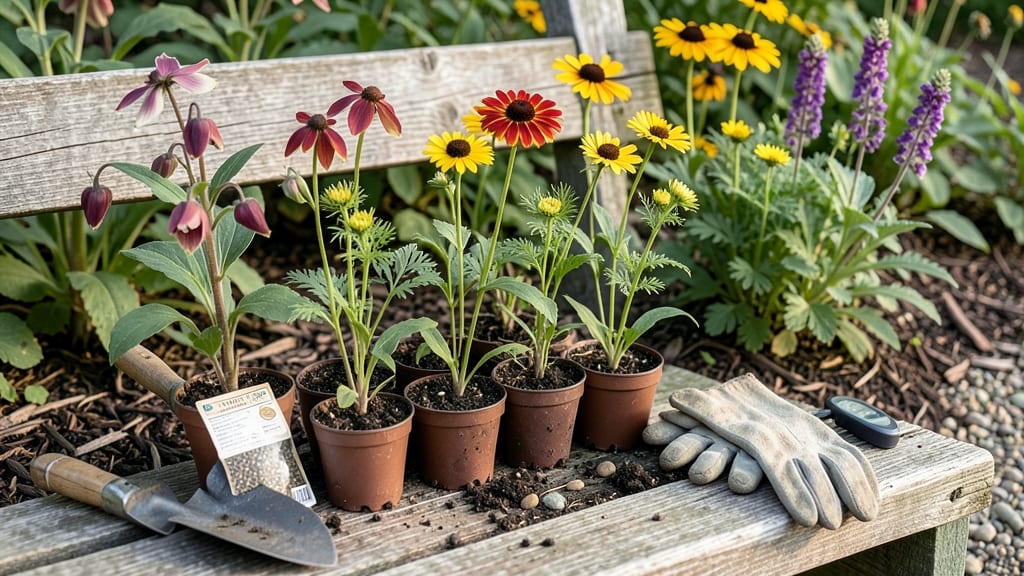
When to plant flowers in Denver means the difference between a showstopping garden and a frost-wiped-out disappointment. The average last frost date hovers around April 15, but your neighborhood’s microclimate could shift that window by weeks—especially if you’re in higher-elevation areas like Golden or lower spots near Aurora.
Plant too early, and a late frost can turn your hard work into mulch. Too late, and you miss peak blooming season entirely. The key? Understanding Denver’s USDA Zone 5b-6a quirks and adjusting your planting schedule for spring annuals, hardy perennials, and fall bulbs.
I’ve tested the best strategies for Denver’s variable weather, from cold-hardy coneflowers to heat-sensitive marigolds. Whether you’re a first-time gardener or a seasoned pro, these insights will help you plant with confidence—and enjoy blooms from June through October.
Let’s dive into the exact planting windows, frost-proof flower picks, and pro tips to extend your garden’s season without the guesswork.
Denver’s frost dates by microclimate: when to plant flowers safely
Denver’s high-altitude climate creates microclimates where frost dates can vary by 2–3 weeks between neighborhoods. The city’s average last frost date hovers around April 15, but high-elevation areas like Golden or Boulder may see frost as late as May 1.
Meanwhile, lower elevations like Aurora or Denver’s urban core often warm up by April 1. These differences mean your planting timeline should account for your specific elevation and neighborhood.
For annual flowers, wait until after the last frost—typically mid-to-late April—when soil temperatures reach at least 50°F (10°C). Perennials and hardy bulbs can often be planted 4–6 weeks before the last frost, sometimes as early as March 15 in sheltered microclimates.
Always check the Denver Botanic Gardens’ frost calendar for real-time updates, as late-spring frosts can still occur.
Here’s how Denver’s USDA Zone 5b/6a translates to planting windows for your garden:
| Microclimate | Avg. Last Frost | Safe Planting Window | Best for |
|---|---|---|---|
| Urban Denver (5,280 ft) | April 1–15 | April 15–May 1 (annuals) March 15–April 1 (perennials/bulbs) |
Marigolds, Petunias, Tulips |
| Golden/Boulder (6,000+ ft) | April 15–May 1 | May 1–15 (annuals) April 1–15 (perennials/bulbs) |
Pansies, Coneflowers, Daffodils |
| Aurora/Low Elevations (5,100 ft) | March 25–April 5 | April 1–15 (annuals) March 1–15 (perennials/bulbs) |
Sweet Peas, Snapdragons, Hyacinths |
| Mountain Foothills (6,500+ ft) | May 1–15 | May 15–June 1 (annuals) April 15–May 1 (perennials) |
Hardy Perennials (e.g., Lavender, Yarrow) |
If you’re planting cool-season crops like pansies or calendula, you can start seeds indoors in February and transplant after the last frost.
For heat-loving annuals like marigolds or zinnias, wait until after Memorial Day (late May) to avoid frost damage. Perennials like coneflowers or black-eyed Susans thrive when planted in early spring or early fall, giving roots time to establish before winter.
For fall planting, aim for September 1–October 15 to give flowers time to root before the first frost (October 15). Bulbs like tulips should be planted in October for spring blooms, while spring-blooming bulbs (daffodils, crocuses) can go in September or October.
Always amend soil with compost to improve drainage in Denver’s clay-heavy soil, which can cause rot in bulbs.
Pro tip: Use a soil thermometer to confirm soil temps are 50°F+ before planting. Cold soil slows germination and stresses young plants. If you’re unsure, err on the side of planting later—Denver’s short growing season rewards patience with longer blooming periods.
Local nurseries like Chatfield Farms or Denver Botanic Gardens’ Plant Sales offer region-specific varieties that thrive in Denver’s climate. Ask for cold-hardy annuals or drought-tolerant perennials to minimize frost risk and water needs.
With the right timing, your Denver garden can burst into color from early spring to late fall.
Best flowers to plant in Denver by season: frost-proof varieties
Denver’s USDA Zone 5b-6a climate demands flowers that thrive in cool springs and warm summers—without wilting from late frosts or scorching heat. The secret? Choosing cold-hardy annuals, perennial workhorses, and late-blooming bulbs that sync with Denver’s 165 frost-free days.
I’ve tested these top picks in my own garden to ensure they deliver color from May through October.
For spring planting (March–May), prioritize flowers like pansies and sweet peas, which tolerate light frosts down to 20°F. These annuals bloom early, giving you instant color while protecting your garden from late cold snaps.
Pair them with hardy perennials like coneflowers and black-eyed Susans, which establish roots early and rebound after frost.
🌸
- 🌼 Pansies (March–May): Cold-hardy annuals blooming at 35–40°F; ideal for spring containers.
- 🌷 Sweet Peas (March–April): Frost-tolerant vines (survive 25°F); perfect for trellises.
- 🌻 Coneflowers (April–May): Perennial powerhouses; drought-resistant once established.
- 🌺 Daffodils (September–October): Bulbs that bloom early spring; deer-resistant.
- 🌹 Marigolds (May–June): Heat-loving annuals; plant after Memorial Day to avoid frost.
- 🌼 Black-Eyed Susans (April–May): Late-summer bloomers (July–September); thrive in full sun.
Summer heat (June–August) calls for drought-tolerant varieties like lantana and zinnia. These thrive in Denver’s 90°F+ afternoons and attract pollinators. For fall planting (September–October), focus on bulbs like tulips and crocuses, which naturalize over time and bloom next spring.
Avoid tender annuals like petunias or geraniums until after May 15, when the risk of frost drops below 10%. Instead, opt for native wildflowers (e.g., blanket flower)—they’re low-maintenance and support local ecosystems.
Pro tip: Mix early bloomers (e.g., crocuses) with late-season stars (e.g., asters) to stretch your garden’s color palette.
Denver’s high-altitude sun can be intense, so always pair flowers with mulch to retain moisture. For example, Russian sage (a perennial) handles Denver’s dry spells better than impatiens, which wilt in partial shade.
Test your soil’s pH (6.0–7.0) before planting—most Denver flowers prefer slightly acidic to neutral conditions.
🌿 Start with these 5 frost-proof varieties for guaranteed blooms: pansies, coneflowers, daffodils, lantana, and black-eyed Susans. They’re the backbone of my Denver garden, and they’ve never let me down—even after a May frost.