
Planting
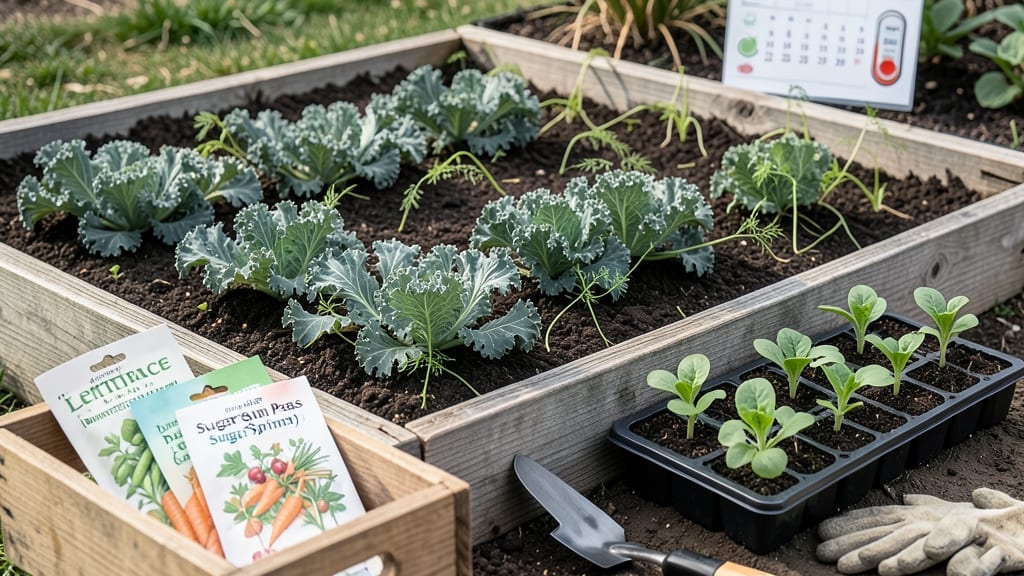
When to plant a garden in Maine isn’t just about waiting for spring—it’s about beating the frost with precision, especially when your last frost can shift by weeks between years. Plant too early, and a late freeze wipes out your hard work; too late, and you miss the 150-180 frost-free days Maine’s 5b-6b zones allow.
I’ve tracked frost dates for years, and the late April to early June window isn’t just a guess—it’s a science-backed range that aligns with soil warming to 50°F and the average mid-May last-frost date.
But here’s the catch: cool-season crops like kale and peas can handle a light frost, while tomatoes and peppers need to wait until the danger has passed.
What if you could extend that window by weeks? In this guide, I’ll break down the exact planting schedule for Maine’s top crops, plus 5 proven techniques to push your harvest into October—without gambling on Mother Nature. Let’s turn your garden from a maybe into a guaranteed success.
Whether you’re a first-time gardener or a veteran with frost-bitten memories, knowing when to plant in Maine isn’t just helpful—it’s the difference between a bountiful harvest and a season of second-guessing. Ready to get specific?
Maine’s frost dates by region: when to plant cool vs warm-season crops
Maine’s last spring frost and first fall frost vary dramatically by region—from Portland’s milder coastal climate to Presque Isle’s harsh northern winters. Knowing these dates is critical for timing cool-season crops (like lettuce and peas) versus warm-season crops (like tomatoes and peppers).
I’ll break down the average frost dates for Southern, Central, and Northern Maine, so you can plan your garden like a pro.
Southern Maine (Portland, Kittery) enjoys 2-3 weeks earlier last frosts than Northern Maine (Presque Isle, Caribou). For example, Portland’s last frost typically lands around May 10-15, while Bangor’s is closer to May 20-25.
Northern Maine can wait until June 1-10 for safety. These differences mean tomatoes in Portland might get planted by May 20, while Bangor gardeners should wait until June 1.
Here’s the visual frost-date guide for Maine’s three key regions, including planting windows for your most popular crops:
| Region | Last Spring Frost | First Fall Frost | Plant Cool-Season Crops | Plant Warm-Season Crops |
|---|---|---|---|---|
| Southern Maine (Portland) | May 10-15 | Oct 10-15 | Mid-April to May 5 | May 20-June 1 |
| Central Maine (Bangor) | May 20-25 | Sep 25-Oct 5 | Late April to May 10 | June 1-15 |
| Northern Maine (Presque Isle) | June 1-10 | Sep 10-20 | Late April to May 15 | June 15-July 1 |
For cool-season crops (like kale, spinach, and peas), you can start seeds indoors as early as March in Southern Maine, but wait until April 15 in Northern Maine. These hardy plants thrive in 50-60°F soil and can even handle light frosts—perfect for Maine’s unpredictable springs.
Warm-season crops (tomatoes, peppers, and cucumbers) need soil temperatures above 60°F to germinate. In Southern Maine, you can plant these 2-3 weeks earlier than in Northern Maine.
For example, tomato transplants in Portland can go in by May 20, while Bangor gardeners should wait until June 1.
Pro tip: Check the USDA Plant Hardiness Zone Map for your exact location—Maine spans Zones 4-5. If you’re in Zone 5 (like Augusta or Waterville), you’ll have a slightly longer growing season than Zone 4 (like Caribou or Fort Kent).
Always verify with your local cooperative extension office for year-to-year variations.
Maine’s first fall frost typically arrives in mid-October for Southern Maine and as early as mid-September in Northern Maine. This means tomatoes and peppers planted after July 15 in Northern Maine are at high risk of frost damage.
To extend your harvest, use row covers or cold frames—I’ll cover these tricks in the next section.
One common mistake Maine gardeners make is planting warm-season crops too early without protection. For example, planting tomato
Best planting schedule for Maine’s top 10 vegetables (with frost tolerance guide)
Maine’s short growing season means timing is everything. My top 10 vegetables—like potatoes, kale, and blueberries—thrive when planted at the right moment. Miss the window, and you risk losing your harvest to early frosts or stunted growth.
Let’s break down the ideal planting schedule for each, including frost tolerance ratings so you can plan with confidence.
Start with cool-season crops like kale and peas in early spring (late April to early May) when soil temps hit 40°F. These hardy plants can handle light frosts and even snow cover.
Meanwhile, warm-season crops like tomatoes and peppers need to wait until after the last frost (typically mid-May in Southern Maine, early June in the North).
🌱 Did You Know? Maine’s USDA Zones 4-5 mean some plants (like potatoes) can be planted as early as March under row covers, while others (like cucumbers) must wait until June to avoid frost damage.
For succession planting, try sowing lettuce or radishes every 2 weeks from April to August. This ensures a steady harvest and minimizes waste. Meanwhile, potatoes and blueberries are perennials—plant them once, and they’ll reward you for years with minimal upkeep.
Pro tip: Use row covers or cold frames to extend your planting window by 2-4 weeks. For example, I’ve successfully grown spinach in March under a simple hoop tunnel, beating the competition at the farmers' market by weeks!
Remember, Maine’s first frost typically arrives in mid-October, so plan your fall crops (like kale and carrots) to mature before then. For heat-loving plants like tomatoes, prioritize early-maturing varieties or use season extenders to squeeze out every last harvest.