
Plants
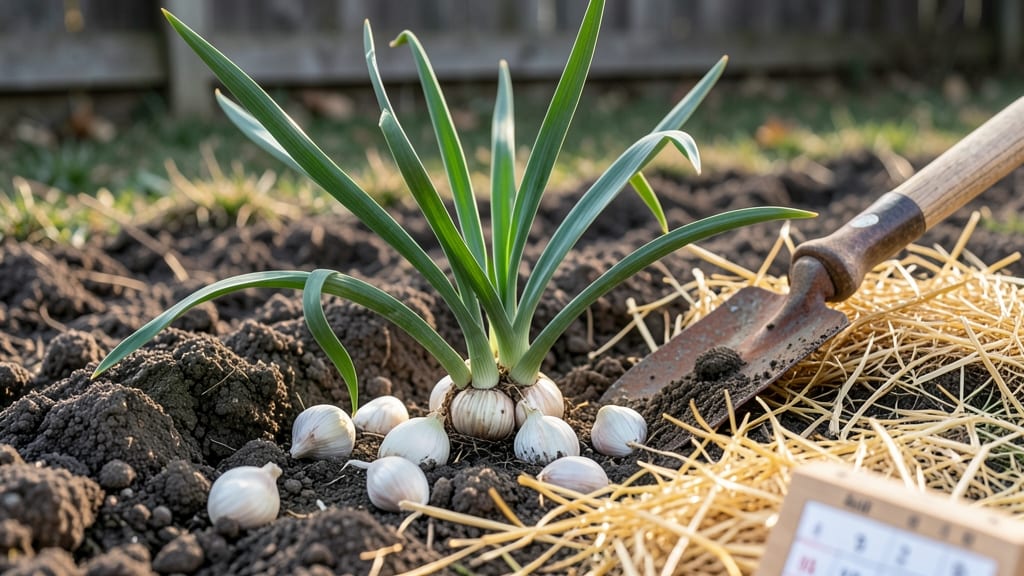
Planting garlic in Ontario, Canada, isn't just about timing—it's about mastering the window when your soil is cool but not frozen, and your 🧄 cloves have time to root before winter sets in.
If you've ever watched your garlic crop fail because of a late frost or missed the perfect moment to tuck cloves into the earth, you know how critical this step is.
The key to success lies in planting between October and November, when temperatures drop but the ground stays workable. This fall schedule lets garlic establish roots before winter dormancy, ensuring stronger bulbs by next summer.
Ontario’s Zone 5b-6a climate demands precision—too early, and your cloves rot; too late, and they won’t survive the freeze.
What makes this even more rewarding is that with the right soil prep—think loose, well-draining earth with a touch of compost—your garlic will thrive. I’ll show you exactly how to prep your garden bed for maximum growth, so you’re not left guessing whether your harvest will be worth the effort.
Ready to grow garlic that rivals store-bought? Let’s dive into the secrets of planting at the perfect moment, so you can enjoy plump, flavorful bulbs from your own backyard next July or August.
Best planting windows for Ontario garlic: hardneck vs softneck timing
Ontario’s Zone 5b-6a climate demands precision when planting garlic—miss the window, and you risk frost damage or poor bulb development. For hardneck garlic (the best choice for Ontario), aim to plant cloves 4-6 weeks before the ground freezes, typically between mid-October and early November.
This timing ensures roots establish before winter dormancy, while still allowing bulbs to mature by next summer.
Softneck varieties, like Silverskin, can handle slightly later plantings (up to early December), but they’re less cold-hardy and may produce smaller bulbs in Ontario’s harsh winters.
Most gardeners in southern Ontario (Zone 6a) plant in late October, while those in colder northern areas (Zone 5b) should plant by mid-October to avoid early frosts.
Use Ontario’s average first frost dates as your guide: Toronto’s frost typically hits by October 15th, while Ottawa sees frost by October 20th.
Planting too early (before soil temps drop below 10°C/50°F) can encourage premature sprouting, while planting too late risks shallow root growth before winter sets in.
| Factor | Hardneck Garlic (Ontario Ideal) | Softneck Garlic (Ontario Adaptable) |
|---|---|---|
| Best Planting Window | Mid-October to early November | Late October to early December |
| Soil Temperature Threshold | 10°C/50°F (max) | 8°C/46°F (max) |
| Frost Tolerance | Excellent (Zone 5b-7) | Moderate (Zone 6a+) |
| Bulb Maturity Time | 270-300 days | 300-330 days |
| Ontario-Specific Tip | Plant German White or Music for cold hardiness | Avoid for northern Ontario; use only in sheltered microclimates |
| Harvest Window | Late July to early August | Early to mid-August |
| Key Risk in Ontario | Early frost damage if planted too late | Poor bulb size in cold winters |
For reliable results, test your soil temperature with a soil thermometer—plant when temps consistently sit between 5°C and 10°C (41°F-50°F). In early winters (like 2023’s mild start), delay planting until late November to avoid rot from wet soil.
Conversely, if frost arrives earlier than usual, prioritize northern exposures or raised beds to extend the season.
Pro tip: Mark your garlic rows with biodegradable flags or a garden map—Ontario’s snow cover can obscure plant locations until spring. This prevents accidental tilling or weeding in early spring when garlic is still dormant but vulnerable to disturbance.
Adjust your planting date based on local microclimates: Urban areas like Toronto may experience 2-3°F warmer soil temps than rural zones, while elevated gardens freeze faster. Use Environment Canada’s frost forecasts and local gardeners’ reports (check Ontario Gardening Facebook groups) to fine-tune your schedule.
Remember, garlic planted in fall grows slower in winter but produces larger bulbs than spring-planted garlic. Ontario’s long, cold winters actually benefit hardneck varieties by vernalizing (a cold treatment) that triggers robust bulb development—just don’t let the ground freeze solid before roots establish!
If you’re new to garlic growing, start with one variety (like ‘German White’) and plant a small test patch in mid-October. This gives you a baseline to compare against next year’s experiments with different varieties or planting dates.
For container growing in Ontario, use deep pots (12"+) filled with well-draining mix and plant by late September—containers warm up faster and may need earlier planting to avoid frost. Move pots to a garage or unheated shed if temperatures drop below -5°C/23°F.
Soil preparation secrets for Ontario garlic: pH, drainage, and organic amendments
Ontario’s clay-heavy soils can make or break your garlic harvest. The key? Preparing your beds 4-6 weeks before planting to ensure proper drainage and nutrient availability. Start by testing your soil’s pH level—garlic thrives in a slightly acidic to neutral range (6.0-7.0).
If your soil is too alkaline, mix in sulfur or peat moss to adjust it gradually.
Next, focus on drainage. Garlic hates soggy roots, so amend heavy clay with compost, coarse sand, or perlite to create loose, crumbly soil. Aim for a 50/50 mix of native soil and organic matter—this improves aeration while retaining moisture.
For raised beds, use a 60% soil, 30% compost, and 10% sand blend for optimal results.
| Soil Requirement | Ontario-Specific Fix |
|---|---|
| pH Level | Test with kit; amend with sulfur if >7.0 |
| Drainage | Add 2-3 inches of compost + 1 inch sand |
| Nutrients | Mix in worm castings or aged manure (1 bucket/10 sqft) |
| Organic Matter | Use leaf mold or well-rotted compost (avoid fresh) |
Don’t overlook organic amendments like kelp meal or bone meal, which provide essential micronutrients without burning tender garlic roots. Work these into the top 6 inches of soil before planting.
For extra insurance against Ontario’s variable winters, add a 1-inch layer of straw mulch after planting to insulate bulbs and suppress weeds.
If your garden soil is compacted or waterlogged, consider growing garlic in raised beds or containers. Fill containers with a mix of potting soil, compost, and perlite (70/20/10 ratio) for perfect drainage. Just ensure containers have drainage holes—garlic roots need air as much as water.
Finally, avoid fresh manure or chemical fertilizers near planting time. These can burn cloves or cause uneven growth. Instead, opt for slow-release organic fertilizers like fish emulsion (applied lightly in spring) to feed bulbs gradually.
With the right prep, your Ontario garlic will develop plump, flavorful bulbs ready for mid-summer harvest.
Pro tip: Mark your garlic beds with stakes or flags—Ontario’s snow cover can obscure planted rows until spring! 🌱