
Plants
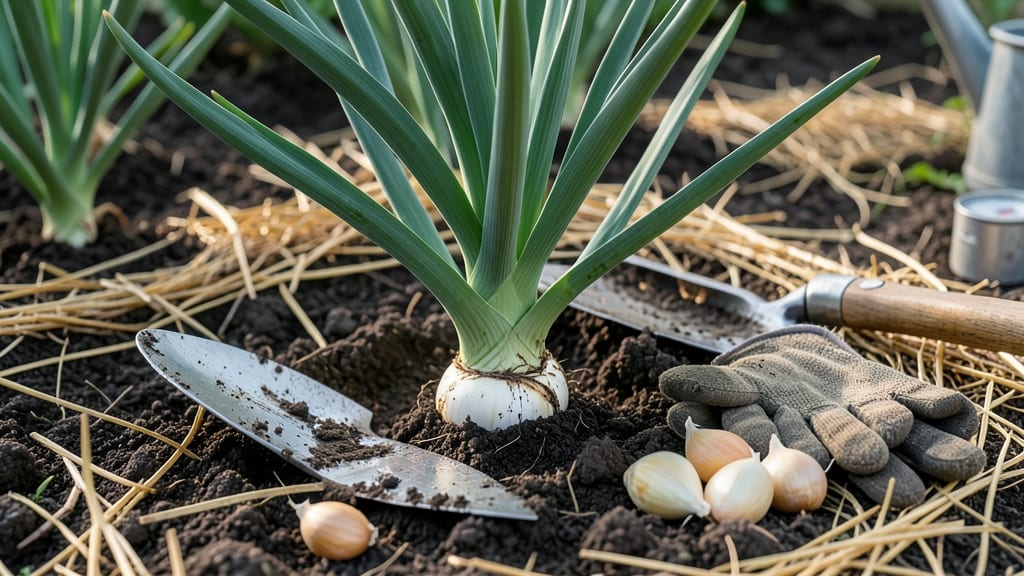
Planting garlic in San Diego at the wrong time can turn your 🧄 dreams into a soggy mess—too early, and the heat rots your cloves; too late, and you miss the sweet spot for next summer’s harvest.
The key isn’t just picking a month but reading your local microclimate, whether you’re in foggy La Jolla or sunbaked Temecula.
Here’s the truth: fall planting is non-negotiable in Zone 10a, but the exact window shifts depending on whether you’re coastal or inland. Coastal areas can squeeze in a late November start, while inland gardeners should aim for October to avoid early heat stress.
I’ll break down the exact dates—and why timing matters more than you think.
You’ll also discover how to prep your soil for San Diego’s unique challenges, from clay-heavy coastal beds to fast-draining inland dirt. Plus, I’ll share the one variety that thrives here year after year, plus a trick to extend your planting window by 2 weeks without risking bolting.
Skip the guesswork: By the end, you’ll know exactly when to plant, how deep to bury those cloves, and what to watch for to guarantee a harvest that’ll make your neighbors jealous. Let’s get growing.
Best planting dates for San Diego garlic by climate Zone
San Diego’s coastal and inland regions have wildly different planting windows for garlic. Coastal areas like La Jolla and Pacific Beach stay cooler longer, while inland spots like Temecula and Escondido heat up faster. The key is planting when soil temps drop to 60-65°F—ideal for garlic root development.
For coastal San Diego, aim for late October to mid-November. The ocean breeze keeps soils cooler longer, giving you a 3-4 week window before winter rains arrive. Inland areas should plant earlier, between mid-September and early October, to avoid summer heat stress.
Hardneck garlic thrives in cooler coastal zones, while softneck varieties handle inland heat better. Your choice depends on whether you want flavorful hardnecks (like Music) or long-storage softnecks (like Silverskin).
| Zone | Best Planting Window | Soil Temp Trigger | Variety Recommendation | Harvest Time |
|---|---|---|---|---|
| Coastal (La Jolla, Pacific Beach) | Late Oct - Mid-Nov | 60-65°F (15-18°C) | Hardneck (Music, German White) | June - Early July |
| Inland (Temecula, Escondido) | Mid-Sept - Early Oct | 65-70°F (18-21°C) | Softneck (Silverskin, Artichoke) | Late June - Aug |
| Mountainous (Palo Verde, Cuyamaca) | Early Oct - Mid-Nov | 55-60°F (13-15°C) | Hardneck (Rocambole, Purple Stripe) | July |
Frost isn’t a concern in San Diego, but heat stress is. Inland garlic planted after early October risks bolting (premature flowering), which shrinks bulb size. Coastal gardeners can push planting to mid-November thanks to milder winters, but avoid December—soils stay too wet.
For container growing, use well-draining pots and plant 1-2 weeks earlier than ground planting. Containers warm up faster, mimicking inland conditions even in coastal yards. Add mulch (straw or wood chips) to insulate roots from temperature swings.
Pro tip: Check soil temps with a soil thermometer (or your finger—cool but not cold). If it feels like a chilled room, it’s ready. Too cold (<55°F), and roots stall. Too warm (>75°F), and cloves rot.
Remember: San Diego’s microclimates mean your neighbor’s perfect harvest might fail in your yard. Test a small patch first to refine your timing. A 10-day window can mean the difference between plump bulbs and bolting disappointment.
Best planting dates for San Diego garlic by climate Zone
San Diego’s Zone 10a climate means no frost to worry about, but the real challenge is heat stress. Coastal areas like La Jolla and Pacific Beach stay cooler longer, while inland spots like Temecula and Escondido heat up fast.
Your planting window shifts 2-3 weeks depending on where you live—and choosing the wrong time can turn your garlic into a mushy mess.
For coastal San Diego, aim for mid-October to early November. The ocean breeze keeps soil temps mild, giving your garlic enough time to root before summer heat arrives. Inland gardeners should plant late September to mid-October—any later, and your cloves may bolt or rot before harvest.
I’ve grown garlic in both zones, and this timing difference is the secret to avoiding disappointment.
🧄 Soil temperature is your best guide: Plant when soil is 60-65°F (15-18°C). Use a soil thermometer for 3 days in a row to confirm. Coastal soils hit this temp in early October, while inland areas may need an earlier start. Pro tip: If your soil is warmer than 70°F, wait—your garlic will rot before it grows.
| Zone | Best Planting Window | Soil Temp Trigger | Variety Recommendation |
|---|---|---|---|
| Coastal (e.g., La Jolla, Pacific Beach) | Mid-October to early November | 60-65°F (15-18°C) | Artichoke (softneck) |
| Inland (e.g., Temecula, Escondido) | Late September to mid-October | 60-65°F (15-18°C) | Silverskin (softneck) |
| Urban Heat Islands (e.g., Downtown SD) | Early to mid-September | 55-60°F (13-15°C) | Creole (softneck) |
Hardneck varieties like Rockstar or German Red won’t thrive in San Diego’s heat—they bolt too early. Instead, opt for softneck varieties, which store better and handle our mild winters. Artichoke garlic is my top pick for coastal areas, while Silverskin works best inland.
Both produce large, flavorful bulbs that last through summer.
If you’re in a transition zone (e.g., near the coast but slightly inland), err on the side of earlier planting. I once planted in late October near Carlsbad and lost half my crop to heat stress—don’t make that mistake.
Always check your local weather forecast for La Niña or El Niño patterns, which can shift temps unexpectedly.
Finally, don’t plant after November 15, even in coastal areas. By December, the days grow shorter, and your garlic won’t have enough time to mature before summer heat arrives.
Mark your calendar now: coastal gardeners have until November 1st, while inland gardeners should be in the ground by October 15th. Your future harvest depends on it!