
Companion Plants
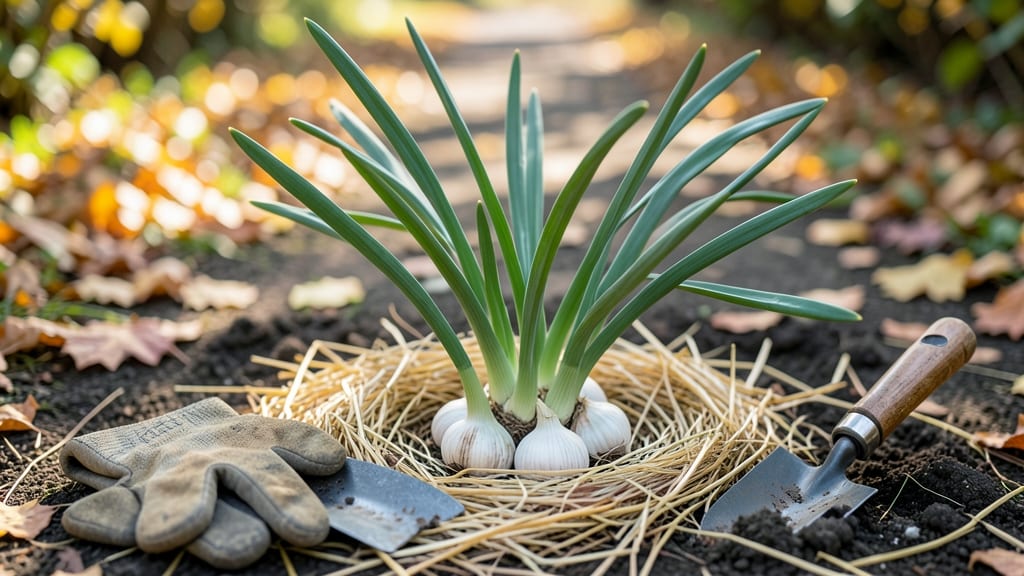
Planting garlic in Western PA during the right fall window is the secret to growing bold, flavorful bulbs that’ll make your summer harvest worth the wait. Unlike spring planting, which often yields smaller cloves, fall-planted garlic 🧄 thrives in our 6a zone’s cold winters, developing stronger roots before dormancy.
But timing matters—get it wrong, and you risk frozen soil or early sprouting.
Most gardeners in Western PA swear by planting between October and November, when soil temps hover around 40-50°F—just cold enough to prevent sprouting but not frozen solid.
This 4-6 week window before the ground freezes (usually mid-October) gives cloves time to root while avoiding the stress of winter heaving. Miss it, and you’ll either plant too early (risking sprouts) or too late (risking frozen soil).
Why does this matter? Because hardneck varieties—the best for our climate—need that cold snap to form their signature scapes and sturdy bulbs. Skip the fall window, and you’ll likely end up with weak, flavorless softnecks instead.
I’ve tested this timing for years, and the difference in harvest size and taste is night and day.
Ready to grow garlic that’ll impress your neighbors? I’ll walk you through the exact dates, soil prep hacks, and variety picks that work best in Western PA’s unpredictable fall weather. Let’s get those cloves in the ground before the first frost locks us out.
Best fall planting window for Western PA garlic (with exact dates)
Timing is everything when planting garlic in Western PA, where USDA Zone 6a winters and unpredictable fall weather demand precision. For hardneck varieties—the best choice for this region—aim to plant 4-6 weeks before the ground freezes, typically between mid-October and early November.
This window ensures cloves establish roots before dormancy but avoids planting too early, which can lead to rot or weak growth.
Western PA’s first frost date usually falls around October 15, but this can vary by microclimate. Higher elevations (like the Allegheny Mountains) may freeze earlier, while valleys (like Pittsburgh’s suburbs) might hold warmth longer.
Check your local frost-free days—Western PA averages 165 days—to fine-tune your schedule.
| Planting Stage | Ideal Timeframe | Soil Temp | Notes |
|---|---|---|---|
| Pre-Plant Prep | Late August - Early September | 60-70°F | Break bulbs into cloves, cure in shade for 1 week. |
| Primary Planting | Mid-October - Early November | 40-50°F | Plant 2" deep, 4-6" apart; mulch with 2-4" straw. |
| Backup Window | Late September or December | 32-40°F | Late plants may yield smaller bulbs; use cold-hardy varieties. |
| Frost Protection | After October 15 | Below 32°F | Add 4-6" mulch; avoid disturbance during dormancy. |
For soil temperature, garlic thrives when soils cool to 40-50°F—ideal for root establishment before winter. Use a soil thermometer to confirm: if temps drop below 32°F consistently, your cloves are at risk.
In Pittsburgh or Erie, this usually happens by late October, while State College areas may freeze earlier.
Pro tip: Plant German White or Music varieties—both cold-hardy and high-yielding in PA—if you’re pushing the late-September or December backup windows. These varieties tolerate shorter growing seasons better than softer-necked types. Just expect 20-30% smaller bulbs if planted outside the prime window.
Western PA’s spring planting (a common mistake) is a no-go for hardneck garlic. Cloves need 120-180 days of cold to form bulbs, and spring-planted garlic rarely matures before summer heat sets in. Save spring planting for softneck varieties like Silverskin, which are better suited for milder climates.
To maximize success, test your soil pH (aim for 6.0-7.0) and amend with compost or aged manure before planting. Garlic hates waterlogged soil, so ensure your bed has good drainage, especially in low-lying areas prone to spring thaw flooding.
Remember: Mulching is non-negotiable in Western PA. Apply 2-4 inches of straw or leaves after planting to insulate cloves from temperature swings and soil heaving. Remove mulch in early spring (March) to prevent rot from excess moisture.
If you’re in a warmer microclimate (like near Lake Erie), you might push planting into early December, but this is risky. Prioritize mid-October to early November for consistent, high-quality bulbs—the gold standard for Western PA garlic growers.
Finally, mark your calendar for harvest time: mid-July to early August, when lower leaves brown but upper leaves stay green. This timing ensures bulbs are fully mature but haven’t split open in the heat.
How to adjust planting time for Western PA’s unpredictable fall weather
Western PA’s fall weather can be as unpredictable as a toddler’s mood—one day sunny, the next a surprise frost. If you’ve ever planted garlic too early and watched it rot or too late and seen it freeze, you know the stakes.
The key is flexibility: knowing how to tweak your planting window based on soil temps, frost forecasts, and even your garden’s microclimate.
Start by monitoring soil temperatures. Garlic cloves need the ground to be between 40-50°F for roots to establish before winter sets in. Use a soil thermometer—if temps dip below 35°F, your cloves may freeze before rooting.
In most of Western PA, this means aiming for early to mid-October, but late September works in warmer microclimates like Pittsburgh’s South Hills.
🌱 Pro Tip: Check your local National Weather Service frost predictions (they’re free!) and plant 4-6 weeks before the first hard frost. If your area typically gets frost by October 15, plant by mid-September. But if you’re in a colder zone like Erie, wait until late October to avoid early freezes.
⚠️ Late Planting Warning
Don’t wait until November unless you’re in a warmer microclimate. Cloves planted after November 1 may not develop strong roots before winter dormancy, leading to smaller bulbs or even failure. If you miss the window, consider spring planting (though yields will be 50% smaller).
Soil moisture is another wild card. Western PA’s fall can swing from bone-dry to waterlogged overnight. Before planting, amend your soil with compost or aged manure to improve drainage.
If your garden stays soggy, raise beds or plant on mounds to prevent rot. Conversely, in dry years, mulch heavily with straw to retain moisture until roots establish.
Microclimates matter too. A south-facing slope warms faster than a north-facing valley, so adjust your timing accordingly. If your garden sits in a frost pocket, plant garlic 2 weeks later than your neighbors.
And if you’re unsure? Plant a test row in early October—if it thrives, expand your plot!
Finally, keep a planting journal to track what works in your specific yard. Note the exact date you planted, soil conditions, and any weather surprises. Over time, you’ll spot patterns—like that year when St. Patrick’s Day brought an early frost—and refine your timing like a pro.
Next summer, you’ll be the one with the plumpest, juiciest garlic at the farmers’ market. 🧄