
Plants
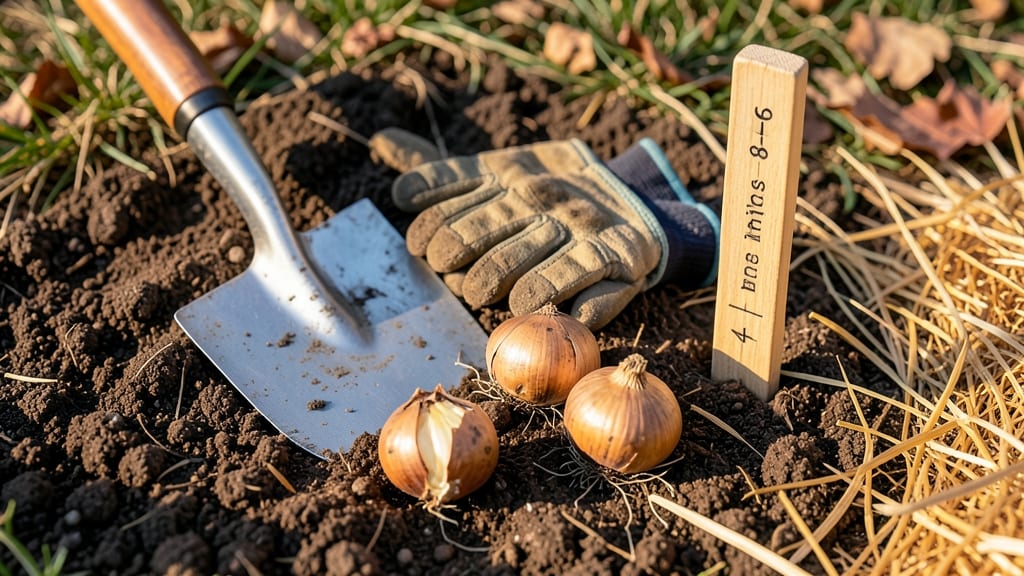
Planting daffodil bulbs at the right time in fall is your golden ticket to a showstopping spring display—but get it wrong, and you’ll end up with rotten bulbs instead of blooms.
With 6 weeks before frost as your deadline, timing matters more than you might think, especially in USDA Zone 6a where chilly snaps arrive early.
Most gardeners assume "fall planting" means October, but the truth is more nuanced. Soil temperature plays a bigger role than the calendar, and planting too early can trigger premature growth.
I’ll break down exactly when to plant in your area, plus how to prep soil for maximum success—so your 🌼 daffodils emerge strong and vibrant.
If you’ve ever wondered whether it’s "too late" to plant in November or how to adjust for early frosts, this guide has the answers. We’ll cover everything from bulb depth and spacing to post-planting care, ensuring your daffodils thrive year after year.
Let’s get those bulbs in the ground the right way.
The key to foolproof planting isn’t just about the date—it’s about understanding your local climate and soil conditions. Whether you’re a first-time gardener or a seasoned pro, these insights will help you avoid common mistakes and set your daffodils up for a bloom-filled spring. Ready to dig in?
Fall planting deadlines by USDA zone: when to plant daffodil bulbs before frost
Timing your daffodil bulb planting is the secret to vibrant spring blooms. Plant too early, and bulbs may sprout prematurely before winter. Plant too late, and they won’t establish roots before frost kills them.
The ideal window is 6-8 weeks before your first frost date, but this varies dramatically by USDA zone. Here’s your zone-by-zone planting schedule.
For most gardeners, this means planting between mid-September and mid-November. However, in colder northern zones, you’ll need to plant as early as late August, while southern gardeners can wait until December.
The key is soil temperature, not just calendar dates—bulbs need 40-50°F soil to root but won’t survive freezing ground.
Use your average first frost date (check the USDA Plant Hardiness Zone Map) and subtract 6-8 weeks. For example, if your first frost is November 15, plant by September 25. Pro tip: Local weather apps often provide frost date forecasts—bookmark yours now!
| USDA Zone | Planting Window | Soil Temp Goal | Key Tip |
|---|---|---|---|
| Zones 3-4 | Late August–Mid-September | 40–50°F | Plant early—ground freezes fast! |
| Zones 5-6 | Mid-September–Early October | 45–55°F | Avoid soggy soil in wet climates. |
| Zones 7-8 | td style="padding: 10px; border: 1px solid #74c9d4; text-align: center;">Late September–November50–60°F | Can plant into early winter if mild. | |
| Zones 9-10 | October–December | 55–65°F | Plant after summer rains subside. |
Don’t stress if your zone isn’t listed—local nurseries are your best resource. Ask when they recommend planting tulip bulbs (daffodils follow similar timing). If you’re unsure, err on the earlier side. Bulbs planted in cool but unfrozen soil will root better than those in warm, late-season ground.
For container gardening, the rules shift slightly. Since pots freeze faster, plant 4-6 weeks before frost and use insulating mulch (straw or shredded leaves) to protect roots. Move containers to a sheltered spot or wrap them in bubble wrap for extra insulation in zones 3-6.
Pro move: Mark your calendar with your zone’s deadline. Set a reminder for 2 weeks before planting to prep soil and gather supplies. I always add compost and a slow-release fertilizer (like 10-10-10) to the planting hole—this jumpstarts root growth before winter sets in.
Watch for early frosts in your area. If a hard freeze (below 20°F) is forecast within 2 weeks of planting, delay until conditions stabilize. Daffodil bulbs are hardy to Zone 3, but newly planted bulbs need time to establish roots before extreme cold hits.
Remember: Daffodils hate wet feet. In zones with heavy rainfall (like the Pacific Northwest), plant on a slightly raised bed or amend clay soil with sand or perlite to improve drainage. Poor drainage is the #1 reason bulbs rot over winter.
Finally, don’t plant daffodils in the same spot every year. Rotate locations every 3-4 years to prevent pests and diseases. Mark your garden with stakes or flags so you remember where you planted them for next spring’s showstopping blooms!
Critical factors that determine perfect planting timing (beyond the calendar)
Timing isn’t just about the calendar—it’s also about soil temperature, moisture balance, and even the bulb’s freshness. Plant too early, and your daffodils may sprout before winter, only to freeze back.
Plant too late, and they won’t root deeply enough to survive frost. Let’s break down the hidden factors that make or break your success.
First, soil temperature is your best guide. Daffodil bulbs need 60°F soil to start rooting, but they’ll rot if planted when soil is still warm (above 70°F). Use a soil thermometer to check—this is especially critical in southern zones (8-10), where fall heat lingers longer.
In cooler climates (zones 3-5), soil may already be ideal by early October.
Moisture matters just as much as temperature. Overly wet soil in early planting can cause bulbs to rot before winter, while dry soil later in the season may prevent root establishment.
Aim for consistently moist—but not soggy—soil during the 6 weeks after planting. A quick test: Dig a 6-inch hole—if the soil clumps slightly when squeezed but doesn’t drip, it’s perfect.
⚠️ Callout Warning: Common Planting Mistakes
❌ Planting too early in warm soil (70°F+) causes bulbs to sprout and die back before winter. ❌ Planting too late (after frost) leaves roots shallow, increasing freeze risk.
❌ Using old or soft bulbs (shriveled, moldy, or sprouting) reduces survival rates by 50%. Always choose firm, dry bulbs with intact skins.
❌ Skipping soil prep in heavy clay or sandy soil leads to poor drainage or root suffocation. ✅ Amend with compost to improve texture and moisture retention.
Bulb condition is another game-changer. Fresh bulbs (sold in fall) have higher survival rates because they’ve been cured and stored properly. Look for plump, dry bulbs with no signs of mold or sprouting.
If you’re using leftover bulbs from last year, soak them in lukewarm water for 2 hours before planting to rehydrate their protective layers.
Don’t overlook local microclimates. A north-facing slope stays cooler longer than a south-facing bed, while urban areas can trap heat. If your yard has hot spots, plant daffodils in shadier spots or wait a week longer than the zone average.
Conversely, windy or exposed sites may need earlier planting to give roots time to anchor.
Finally, frost dates aren’t the only deadline. In zones 9-10, where winters are mild, daffodils may need winter chilling (40–50°F for 6–8 weeks) to bloom well. If your fall is unusually warm, consider pre-chilling bulbs in the fridge for 6 weeks before planting.
Pro tip: Set a reminder 6 weeks before your first frost date. This gives you time to adjust for soil conditions, bulb freshness, and local weather quirks—so you’re never rushing or waiting too long. 🌱