
Plants
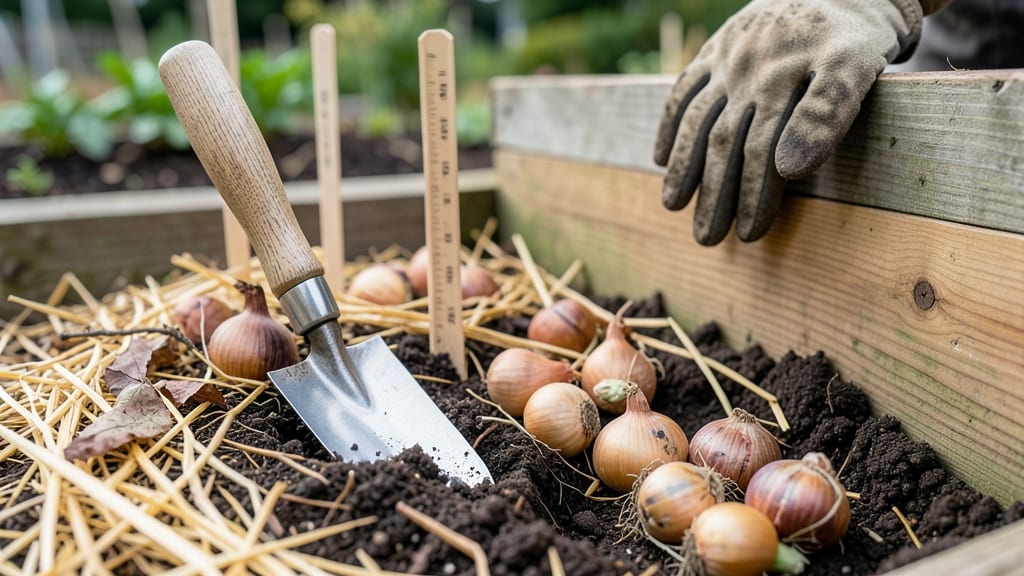
The science of fall bulb planting: why 6-8 weeks before frost is critical
Fall bulb planting isn’t just about throwing bulbs into the ground—it’s a biological race against time. Bulbs need 6-8 weeks of cool soil temperatures (below 60°F/15°C) to establish roots before the ground freezes.
This window triggers dormancy, ensuring they survive winter and bloom spectacularly in spring. Without this timing, bulbs either rot from overwatering or sprout too early, only to be killed by frost.
Think of bulbs like marathon runners: they need time to build endurance. During these weeks, roots grow 2-3 times the bulb’s height, anchoring them in place. For example, a 6-inch tulip bulb will develop roots reaching 12-18 inches deep by frost.
This deep root system is their lifeline—it absorbs nutrients and water while the bulb itself stays dormant above ground.
Your local first hard frost date is the anchor for calculating planting time. In the Northern Hemisphere, this typically falls between late September and January, depending on your USDA hardiness zone.
For instance, gardeners in Zone 5 (like Chicago) should plant by mid-September, while those in Zone 9 (like Los Angeles) can wait until November. Miss this window, and your bulbs may not have enough time to root before winter sets in.
Temperature is the invisible clock ticking for bulbs. When soil temps drop below 50°F (10°C), bulbs shift into survival mode, focusing energy on root growth instead of foliage.
This is why planting too early (when soil is still warm) can backfire—bulbs may sprout prematurely, only to be fried by an early frost. Conversely, planting too late leaves them vulnerable to winter’s harsh conditions.
Here’s the golden rule: Plant bulbs when daytime highs average 70°F (21°C) and nighttime lows dip below 60°F (15°C). This balance ensures roots grow without encouraging premature sprouting.
Use your local frost calendar** (available from the National Weather Service or Old Farmer’s Almanac) to pinpoint your exact planting window.
| USDA Zone | First Hard Frost Avg. Date | Recommended Planting Window | Bulb Types Best Suited |
|---|---|---|---|
| 3-4 | Late September to Mid-October | Early September to Early October | Tulips, Daffodils, Hyacinths |
| 5-6 | Mid-October to Early November | Late August to Mid-September | Alliums, Crocuses, Snowdrops |
| 7-8 | Early November to Mid-December | Late September to Early October | Lilies, Fritillaries, Gladiolus |
| 9-10 | December to January | October to Mid-November | Tropical Bulbs (e.g., Canna, Caladium) |
*Adjust for early/late frosts in your area. Planting too early can lead to premature sprouting.
Regional adjustments are key. For example, gardeners in the Pacific Northwest (Zone 7-8) might plant lilies or fritillaries in late September, while those in the Deep South (Zone 9-10) can extend planting into November for tropical bulbs like cannas.
Even within a zone, microclimates matter—valleys freeze earlier than hilltops, and urban areas can be 5-10°F warmer than rural spots due to the heat island effect.
Pro tip: If you’re unsure about your frost date, use the "backward calculation" method. Check your local frost calendar for the average first hard frost date, then count 6-8 weeks backward to find your planting window.
For instance, if frost hits November 15th in your area, aim to plant by late September. This method works for both perennial bulbs (like daffodils) and annual bulbs (like hyacinths), though tropical bulbs need a later start.
Don’t let myths fool you—bulbs don’t need to be planted in snow. In fact, planting in frozen ground is a recipe for failure. Bulbs should go into soil that’s cool but workable, not rock-hard.
A simple finger test works: if you can push your finger 3-4 inches into the soil without resistance, it’s ready. This rule applies whether you’re planting in containers, garden beds, or lawns—just ensure drainage is excellent to prevent rot.
Once you’ve nailed the timing, the next step is soil prep—but that’s a story for the next section. For now, mark your calendar and grab those bulbs before frost steals your spring color! 🌱
The science of fall bulb planting: why 6-8 weeks before frost is critical
Fall bulb planting isn’t just about sticking bulbs in the ground—it’s a biological race against time. Bulbs need 6-8 weeks of cool soil temperatures (below 60°F or 15°C) to develop strong roots before the ground freezes.
This root growth is what fuels next spring’s blooms, so timing is everything. Think of it like preparing for winter hibernation: bulbs store energy in their roots during fall to survive dormancy.
Your local first hard frost date is the ultimate deadline. Plant too early, and bulbs may sprout prematurely, only to be killed by frost. Plant too late, and roots won’t have time to establish before winter sets in.
The 6-8 week window strikes the perfect balance—enough time for roots to grow but not so early that bulbs wake up too soon.
Here’s the science: As soil temperatures drop, bulbs enter a natural dormancy triggered by short daylight hours and cooling air. This dormancy protects them from freezing, but they still need time to anchor themselves.
In USDA Zones 3-7, this typically means planting between late August and early October, while warmer zones (8-10) can extend planting into November.
| USDA Zone | First Hard Frost Avg. Date | Recommended Planting Window | Bulb Types Best Suited |
|---|---|---|---|
| 3-4 | Late September to Mid-October | Early September to Early October | Tulips, Daffodils, Hyacinths |
| 5-6 | Mid-October to Early November | Late August to Mid-September | Alliums, Crocuses, Snowdrops |
| 7-8 | Early November to Mid-December | Late September to Early October | Lilies, Fritillaries, Gladiolus |
| 9-10 | December to January | October to Mid-November | Tropical Bulbs (e.g., Canna, Caladium) |
*Adjust for early/late frosts in your area. Planting too early can lead to premature sprouting.
To pinpoint your exact planting window, check your local frost calendar or use the National Weather Service to find your average first frost date. Then, count backward 6-8 weeks. For example, if your first frost is November 15, aim to plant by early to mid-October.
Pro tip: Use a soil thermometer to confirm temps are consistently below 60°F—this is your green light to plant.
Regional differences matter too. In the Northern Hemisphere, cooler climates (like Zone 3) need earlier planting, while milder zones (like Zone 10) can wait until late fall. In the Southern Hemisphere, reverse the seasons: plant in late winter to early spring (6-8 weeks before frost).
Always prioritize root establishment over bloom timing—healthy roots mean vibrant flowers next spring.
One final trick: If you’re unsure about your frost date, plant a few test bulbs 2 weeks early and monitor for sprouting. If you see shoots, cover them with mulch to protect them until temps drop.
The goal is to let nature guide you—bulbs know when it’s time to rest, and your job is to give them the perfect head start.