
Plants
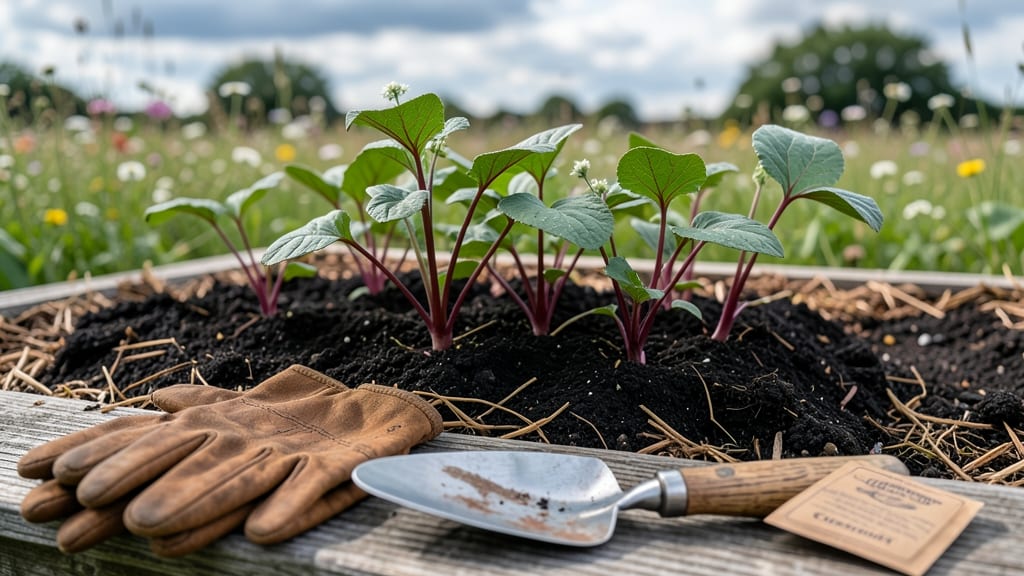
Planting beets in Kansas at the wrong time can turn your sweet harvest into tough, woody disappointment—so timing is everything. The exact weeks before your last frost (typically March 20–April 15) make all the difference between tender roots and regret.
Whether you're aiming for spring greens or fall storage beets, getting this right means fewer wasted seeds and more delicious harvests.
Kansas gardeners know the drill: late frosts in Zone 5b-7a can delay planting, while summer heat can make beets bolt or turn bitter.
But with the right schedule—March 15–April 30 for spring and August 15–September 15 for fall—you’ll avoid common pitfalls and enjoy fresh 🍠 harvests from June through November. Let’s break down the best strategies for your specific zone and weather quirks.
Why fuss over timing? Because beets thrive in cool weather, and Kansas’ unpredictable swings mean you can’t just follow a generic calendar. A little prep—like choosing cold-hardy varieties or using row covers—can save your crop from early frosts or scorching heat.
I’ll show you how to adjust for your exact location, whether you’re in Wichita, Kansas City, or Topeka.
Ready to grow beets that taste as good as they look? You’ll learn the precise planting windows, how to handle Kansas’ tricky weather, and which varieties perform best in your zone.
Let’s get those seeds in the ground the right way—so you can enjoy sweet, homegrown beets all season long.
Kansas beet planting schedule by frost dates (2024-2025 guide)
Kansas' USDA Zones 5b-7a mean your last frost dates vary dramatically—from March 20 in Zone 7a (like Kansas City) to April 15 in Zone 5b (like western Kansas). Planting beets too early risks frost damage, while waiting too long leads to woody, tough roots by summer.
Let’s pinpoint the ideal 4-6 week window before your local last frost for both spring and fall harvests.
For spring plantings, aim to sow seeds 4-6 weeks before your last frost date. In Zone 5b, that’s March 15-April 1, while Zone 7a gardeners can start as early as February 25-March 15.
Fall plantings should begin 8-10 weeks before first frost, so Zone 5b gardeners plant August 15-September 1, and Zone 7a can extend to September 15.
Pro Tip: Use row covers or cold frames to push your spring planting window 2-3 weeks earlier if needed. This is especially helpful in Zone 5b, where late frosts are common.
Here’s your Kansas-specific beet planting timeline, broken down by zone and season:
| Zone | Last Frost Date | Spring Planting Window | Fall Planting Window | Harvest Window |
|---|---|---|---|---|
| Zone 5b (Wichita, Hays) | April 15 | March 15 - April 1 | August 15 - September 1 | June - July, October - November |
| Zone 6a (Salina, Manhattan) | April 1 | March 1 - March 25 | August 1 - September 10 | May - June, September - October |
| Zone 7a (Kansas City, Topeka) | March 20 | February 25 - March 15 | August 15 - September 15 | April - May, September - November |
If you’re in Zone 7a, you can even try an early February planting under row covers for a jump-start. Just be prepared to protect seedlings with frost cloth if temperatures dip below 25°F.
Beets are surprisingly cold-hardy—they can survive light frosts down to 20°F, but severe freezes will damage tender greens.
For fall plantings, focus on heat-tolerant varieties like Detroit Dark Red or Golden to avoid bolting (premature flowering) as summer heat lingers. Start seeds indoors 4-6 weeks before transplanting in late summer for a longer harvest window.
Remember: Soil temperature matters just as much as air temperature. Beets won’t germinate well in cold soil (below 50°F). Use a soil thermometer to confirm it’s at least 55°F before planting. In Zone 5b, this often means waiting until mid-April even if frost risk has passed.
For succession planting, sow new seeds every 2 weeks from March to July for a continuous harvest. This works especially well in Zone 7a, where the growing season is longer. Just stop planting by mid-July to avoid bolting before frost.
🌱
How to adjust planting for Kansas' unpredictable weather patterns
Kansas’ weather is famous for its whiplash-inducing shifts—one day freezing temps, the next 90°F heatwaves. Beets, while hardy, need consistent soil temps (at least 50°F) to germinate and avoid bolting in summer. Here’s how to outsmart Mother Nature’s mood swings.
Start with cold-hardy varieties like Detroit Dark Red or Early Wonder Tall Top. These tolerate light frosts and grow faster in cool soil. For late spring plantings, opt for heat-tolerant types like Golden or Chioggia, which handle warmer soils better than classic varieties.
Soil warming hacks are your secret weapon. Use black plastic mulch or clear row covers to raise soil temps 5–10°F faster in spring. In Zone 5b (e.g., Hays), wait until mid-April when soil hits 55°F at 2 inches deep. In Zone 7a (e.g., Wichita), you can plant 2–3 weeks earlier.
⚠️ Late Frost Alert!
Kansas’ last frost dates vary wildly—Zone 5b can see frost through May, while Zone 7a might escape by April 15. Use frost cloth or plant succession crops every 2 weeks after your target date to hedge your bets.
🌱 Pro Tip: Check Kansas State University’s frost maps annually for updates.
For fall plantings, aim for August 15–September 15 to harvest before first frost. Beets planted in late summer grow slower but develop sweeter roots thanks to cooler nights. Use straw mulch to insulate roots and extend harvest into October in most of Kansas.
Drought is another Kansas wildcard. Beets need consistent moisture, but overwatering causes forked roots. Water deeply 2–3 times per week in summer, focusing on soil, not leaves. Let the top 1 inch of soil dry between waterings to prevent rot.
Monitor your garden daily for heat stress signs: yellowing leaves or bolting stems mean it’s time to shade cloth or succession plant. With these adjustments, you’ll beat Kansas’ weather and enjoy crisp, sweet beets all season.