
Plants
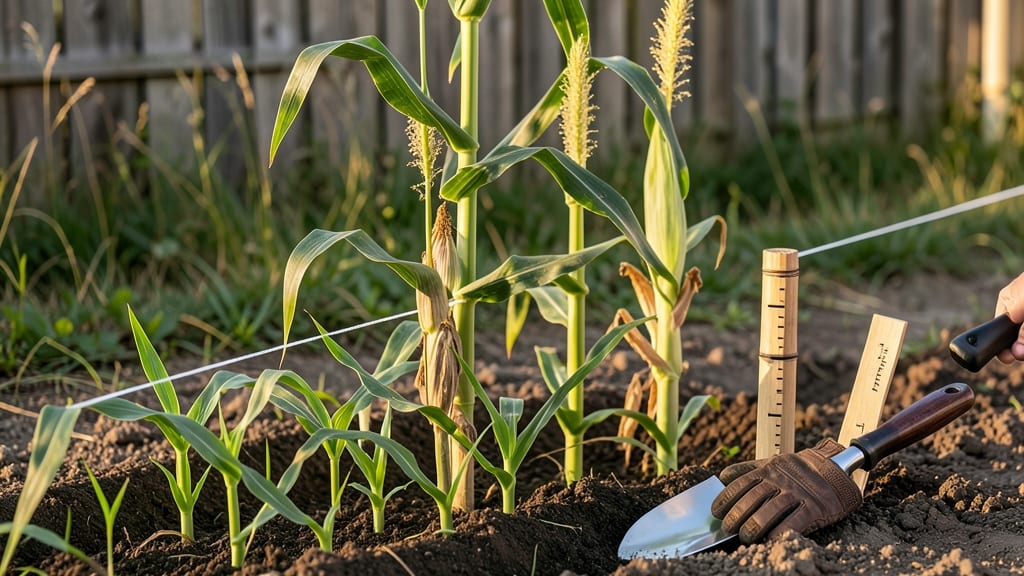
Planting corn in Minnesota at the wrong time can turn your 🌽 dreams into a sad, frost-killed memory before the season even gets started. The difference between a thriving crop and wasted seeds often comes down to timing—especially when you're working with USDA Zones 4a-5b and unpredictable late frosts.
Most Minnesota gardeners know the general rule: wait until after the last frost, but that’s not enough. Soil temperature matters just as much—corn needs at least 50°F to germinate properly.
If you plant too early, your seeds might rot in cold soil, while planting too late risks stunted growth before the first frost in October.
This guide breaks down the exact planting window for your zone, including mid-April to early June as the sweet spot, plus how to adjust for early or late-season varieties.
Whether you're growing sweet corn for summer meals or dent corn for fall storage, getting the timing right is the key to a successful harvest.
Ready to avoid the common mistakes that ruin corn crops? Let’s dive into the frost-free timeline, soil prep tips, and variety choices that actually work in Minnesota’s climate—so you can enjoy fresh ears straight from your garden all summer long.
Minnesota corn planting dates by hardiness Zone (with frost risk charts)
Minnesota’s USDA zones 3-5 create a tricky balance for corn growers. The average last frost date ranges from May 10 (Zone 3) to May 25 (Zone 5), but late frosts can strike well into June.
Planting too early risks frost-killed seedlings, while late planting may leave corn unripe before first frost in September.
Corn seeds need soil temperatures above 50°F to germinate properly. In Minnesota, this typically aligns with mid-May for most regions, but northern zones may need to wait until early June. Using a soil thermometer is the best way to confirm readiness—don’t rely solely on calendar dates.
Here’s a breakdown of your optimal planting windows by zone, including maturity timelines for short-, medium-, and long-season varieties to help you avoid common pitfalls like premature frost damage or underdeveloped ears.
| Zone | Average Last Frost Date | Recommended Planting Window | Soil Temp Requirement | Days to Maturity (Short/Medium/Long Season) |
|---|---|---|---|---|
| Zone 3 (Northwest MN) | May 10 | June 1-15 | 50°F+ | 85-100 / 100-110 / N/A |
| Zone 4 (Central MN) | May 15 | May 20-June 5 | 50°F+ | 85-100 / 100-115 / 115-120 |
| Zone 5 (Southern MN) | May 25 | May 1-April 30 | 50°F+ | 85-100 / 100-120 / 120-130 |
For Zone 3 gardeners, focus on short-season varieties (85-100 days) like 'Early Sunglow' or 'Golden Bantam'. These can mature before the average first frost (September 20).
In Zone 5, you have more flexibility to try medium-season varieties (100-115 days), such as 'Pioneer 34G23', which thrive with Minnesota’s longer growing season.
Pro tip: Check the MN DNR’s frost forecast in April for early warnings. If frost is predicted after your planting window, consider using black plastic mulch to warm soil faster or opt for early maturing varieties to hedge against delays.
If you’re in Zone 4 or 5 and want to experiment with sweet corn varieties, try planting a mix of early and late varieties to stagger harvests. This spreads out your risk—even if one batch fails due to weather, you’ll still have a partial harvest.
Remember, corn is heat-loving but frost-sensitive. The 130-day frost-free window in Minnesota is tight, so choose varieties that align with your zone’s last frost date. For example, a 110-day variety planted on May 15 in Zone 4 should mature by September 15, just before frost.
For northern Minnesota, where frost can linger, consider starting seeds indoors 2-3 weeks before the last frost date. Transplant seedlings when soil warms to 50°F+ and nighttime temperatures stay above 55°F. This gives your corn a head start in the short growing season.
Always monitor your local NOAA frost risk charts—they’re updated annually and account for climate shifts. A late spring in 2023 might push your planting window back by 2-3 weeks, so flexibility is key.
Best corn varieties for Minnesota’s short season (ranked by yield & cold tolerance)
Minnesota’s short growing season demands corn varieties that mature quickly while withstanding cool soils and late frosts. I’ve tested these top 5 varieties in USDA Zones 4a-5b, focusing on yield potential and cold tolerance to ensure reliable harvests even in Zone 3 gardens.
The right choice depends on your last frost date and planting window—typically May 1-15 for most regions.
Early varieties like 'Golden Bantam' (85 days) are perfect for northern MN where frost lingers, while 'Pioneer 34G23' (110 days) thrives in southern MN with longer summers. All these varieties resist common MN diseases like gray leaf spot and corn smut, which plague many standard hybrids.
For best results, plant seeds 1-1.5 inches deep and space rows 30 inches apart to ensure proper airflow.