
Plants
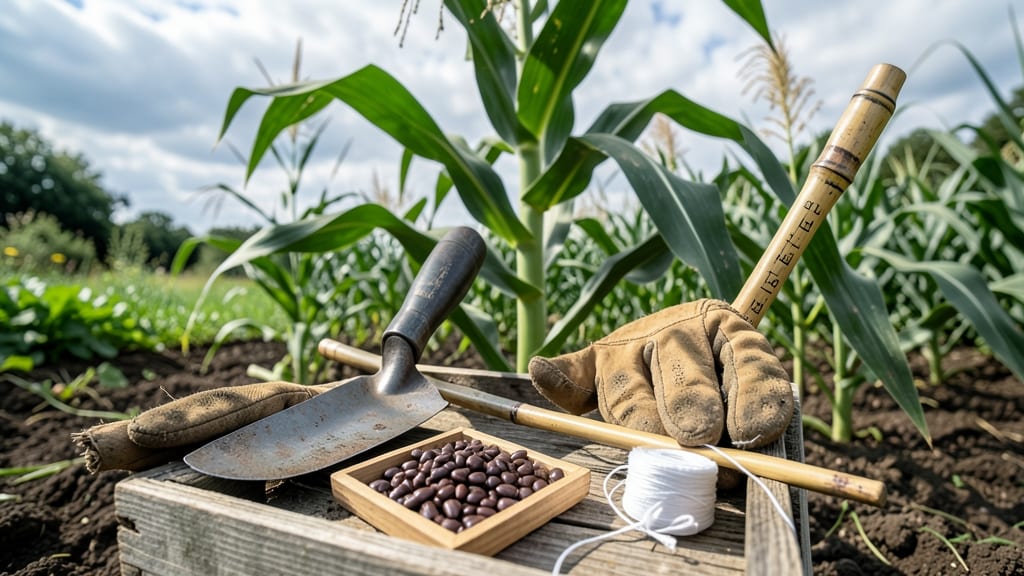
Planting corn in Indiana at the wrong time can mean the difference between a bountiful harvest of sweet 🌽 or watching your crop wither in unpredictable spring frosts.
With USDA zones 5b-6b and frost dates that shift yearly, getting the timing right is critical—but most gardeners still guess instead of using data-backed windows.
You don’t need a degree in agriculture to nail your corn planting schedule. The key is waiting for soil temperatures to hit at least 50°F at 4 inches deep, typically between mid-April and early May, while avoiding late frosts that can devastate young seedlings.
Whether you’re growing early varieties for quick harvests or late-season stalks for extended fresh ears, the right window makes all the difference.
In this guide, I’ll break down exactly when to plant corn in Indiana—from soil thermometer checks to frost-free deadlines—so you can maximize your yield without the stress.
Plus, I’ll share pro tips for adjusting timing based on your county’s microclimate and variety type, because one size doesn’t fit all when it comes to Indiana’s unpredictable spring.
Skip the guesswork and learn how to time your corn planting like a local expert. By the end, you’ll know not just when to plant, but why those dates matter most for your specific corn goals.
Indiana corn planting dates by soil temperature & frost risk zones
Indiana’s USDA zones 5b-6b mean corn growers must balance soil warmth with frost risk. Northern Indiana (e.g., Gary, Fort Wayne) typically waits until mid-April to early May, while Southern Indiana (e.g., Louisville, Evansville) can start late March to mid-April if soil temps hit 50°F at 4-inch depth.
The average last frost date hovers around April 15, but microclimates near lakes or valleys can shift this by 1-2 weeks.
Corn seeds need soil temperatures above 50°F to germinate, but roots thrive at 60°F+. Using a soil thermometer is critical—cold soils delay germination and invite fungal diseases. My rule of thumb?
Wait until 3 consecutive days above 55°F before planting, even if frost dates suggest otherwise. Indiana’s clay-heavy soils also retain cold longer, so warm the soil first with black plastic mulch if needed.
Here’s how Indiana’s frost-free probability breaks down by region:
| Region | Avg. Last Frost | Safe Planting Window | Soil Temp Goal |
|---|---|---|---|
| Northern Indiana (Zone 5b) | April 20–May 5 | Late April–early May | 55–60°F (4-inch depth) |
| Central Indiana (Zone 6a) | April 10–20 | Mid-April–late April | 50–55°F (4-inch depth) |
| Southern Indiana (Zone 6b) | March 25–April 10 | Late March–mid-April | 45–50°F (4-inch depth) |
*Adjust for microclimates: Valleys frost later; hillsides warm faster.
For Northern Indiana, the May 10 cutoff is non-negotiable—corn needs 90–120 frost-free days to mature. Late varieties (e.g., Silver Queen) risk stunted ears if planted after May 1.
In Southern Indiana, you can push early varieties (e.g., Bodacious) into June for a second harvest, but yields drop significantly. Always check local frost maps from the Indiana State Climate Office for real-time updates.
Pro tip: Plant staggered rows every 10–14 days to extend harvest windows. For example, start with early varieties in late April and add mid-season types in early May. This ensures continuous ear production and reduces waste. Just beware—June plantings in Northern Indiana rarely mature before frost hits.
Indiana’s humidity and summer rains also play a role. While late May plantings might seem safe, excess moisture can delay germination. Amend clay soils with compost or sand to improve drainage, and avoid planting in low-lying areas where cold air pools.
If your garden sits in a frost pocket, consider raised beds or elevated rows to warm soil faster.
Don’t rely solely on calendar dates. Use a soil thermometer and monitor Almanac frost predictions alongside local weather reports. For example, 2023’s late April frost in Northern Indiana caught many off guard—planting too early meant rotted seedlings for weeks.
When in doubt, wait 7–10 days past the average last frost for 90% frost-free confidence.
For organic growers, cover seeds with straw mulch to insulate them from soil temp swings. This buys you 3–5 extra days of planting flexibility. Pair this with row covers for early seedlings to shield them from late frosts.
Remember: Corn is a warm-season crop—it will not tolerate cold, even briefly.
Lastly, Indiana’s clay soil can be a double-edged sword. While it holds moisture well, it also cools slowly. If your soil is still below 50°F in early May, use black plastic mulch for 2–3 weeks before planting to raise temps by 5–10°F.
This trick is a game-changer for Northern Indiana gardens where springs run late.
🌽
Best corn varieties for Indiana’s short & long seasons (with planting adjustments)
Indiana’s short growing season and clay-heavy soils demand careful corn variety selection. Early-maturing types like ‘Early Sunglow’ (85 days) thrive in Northern Indiana, while southern regions can handle ‘Silver Queen’ (110 days). The key? Matching your last frost date with the right days-to-maturity range.
For short seasons, prioritize drought-tolerant and disease-resistant varieties like ‘Peaches and Cream’ (90 days). These handle Indiana’s humidity risks better than standard hybrids. Late varieties (115+ days) need early April planting to avoid frost, but risk ear rot in wet summers.
Here’s how to adjust planting dates by variety type:
Corn Variety Planting Guide for Indiana
Early Varieties (85–95 days)
- ✅ Pros: Fast harvest, frost-resistant
- ✅ Best for: Northern IN, short seasons
- ✅ Plant: Late April–early May
Examples: Early Sunglow, Ambrosia
Mid-Season (100–110 days)
- ✅ Pros: Balanced yield, versatile
- ✅ Best for: Central/southern IN
- ✅ Plant: Mid-April–late April
Examples: Silver Queen, Bodacious
Late Varieties (115+ days)
- ⚠️ Cons: Risk frost/ear rot
- ✅ Best for: Southern IN, long seasons
- ✅ Plant: Early April (with frost cloth)
Examples: Country Gentleman, Golden Bantam
My top recommendation for Indiana’s clay soils? ‘Peaches and Cream’ (90 days). It’s drought-tolerant and resists common corn diseases like leaf blight. For southern Indiana, ‘Silver Queen’ (110 days) offers sweet kernels but needs well-drained soil to avoid root rot.
Adjust planting dates by 1–2 weeks if your area has earlier last frosts. Use a soil thermometer—corn germinates best at 60°F+. For late varieties, consider black plastic mulch to warm soil faster.
Pro tip: Plant successive crops every 2 weeks in May to stretch your harvest window. This works especially well for mid-season varieties like ‘Bodacious’, giving you 3–4 harvests instead of one.
Remember: Indiana’s humidity can turn corn ears mushy if planted too late. Aim for brown silks by mid-August to avoid this issue. 🌽