
Plants
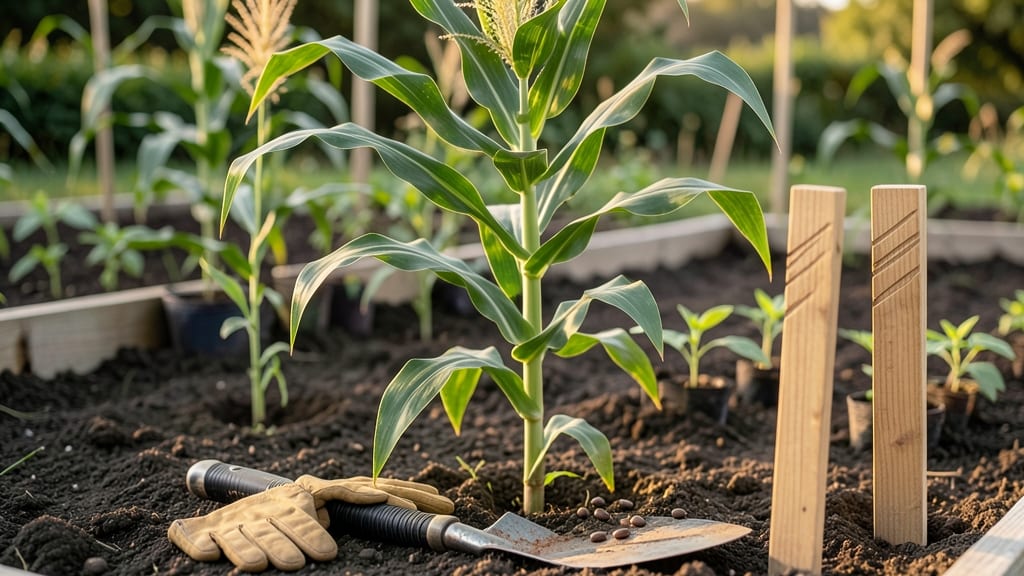
Planting corn in New Jersey at the wrong time means watching your hard work wither before it even begins. Whether you're growing sweet 🌽 for summer barbecues or popcorn for movie nights, getting the timing right is the key to a thriving crop.
New Jersey's 6a-7b climate gives gardeners a narrow window—typically between mid-April and early June—to plant corn after the last frost. But here's the catch: northern NJ (like Bergen County) and southern NJ (like Cape May) have slightly different frost dates, which can shift your planting schedule by weeks.
I'll break down exactly when to plant different corn varieties in your specific region, plus pro tips to extend your growing season if needed. No more guesswork—just a foolproof plan for that perfect, juicy ear of corn straight from your garden.
Ready to turn your backyard into a corn patch? Let's dive into the details that will make this your most successful planting season yet.
New Jersey last frost dates by region: critical planting windows for corn
New Jersey’s diverse microclimates mean frost dates vary dramatically from North Jersey’s cooler hills to South Jersey’s milder coastal plains. Understanding these differences is key to planting corn at the perfect time—too early risks frost damage, while late planting may yield smaller ears or miss peak sweetness.
Let’s break down the critical frost-free windows for each region so you can time your planting like a pro.
In North Jersey (USDA Zone 6b), the last average frost date hovers around April 15–May 1, with rural areas often warming 1–2 weeks earlier than urban spots like Newark or Jersey City.
Meanwhile, Central Jersey (Zone 7a) typically sees its last frost by April 1–April 15, while South Jersey (Zone 7b) can plant as early as March 20–April 1, especially near the coast. These dates aren’t set in stone—always check your local Almanac or weather station for real-time updates.
🌱 Pro Tip: Use a soil thermometer to confirm soil temps are at least 60°F before planting—corn seeds won’t germinate below this threshold, even if frost risk has passed.
| Region | Last Frost Date | Optimal Planting Window | Frost-Free Days |
|---|---|---|---|
| North Jersey (Zone 6b) | April 15–May 1 | May 1–May 15 (after soil warms) | 160–170 days |
| Central Jersey (Zone 7a) | April 1–April 15 | April 15–April 30 | 170–180 days |
| South Jersey (Zone 7b) | March 20–April 1 | April 1–April 15 | 180–190 days |
| Coastal Areas (e.g., Cape May) | March 1–March 15 | March 15–March 31 | 190–200 days |
*Frost-free days calculated from last frost to first frost (avg. Oct 15). Adjust for early/late varieties.
For gardeners in urban areas, microclimates can shift frost dates by 1–2 weeks. South-facing walls or rooftop gardens may warm earlier than average, while shaded spots or low-lying areas could delay warmth.
If you’re unsure, opt for early-maturing varieties (60–70 days to harvest) to hedge against late frosts. For example, ‘Early Sunglow’ sweet corn matures in just 65 days, giving you flexibility.
🌿 Key Insight: Corn needs 90–120 days of warm weather to mature, so plant late varieties (like ‘Silver Queen’) only if your frost-free season stretches beyond mid-October. In North Jersey, this might mean sticking to mid-season types (70–80 days) to avoid harvest timing conflicts.
Don’t forget to account for succession planting if you want continuous harvests. In South Jersey, you could squeeze in two plantings: one in early April and another in late May, using fast-maturing varieties for the second batch.
This strategy works best with short-season corn like ‘Ambrosia’ (72 days) or ‘Peaches and Cream’ (75 days).
💡 Local Resource: Check the Rutgers Cooperative Extension website or contact your county agricultural agent for hyper-local frost data. They often provide weekly updates on soil temperatures and frost predictions, which can save your crop from unexpected chilly snaps.
Finally, if you’re growing field corn (for livestock or grain), prioritize earlier planting to maximize kernel development before the first frost.
Field corn varieties like ‘Pioneer Brand 33B11’ need 100+ days to reach maturity, so South Jersey gardeners have a slight edge—but even they should plant by mid-April to avoid risk.
☀️ Remember: Corn thrives on warm soil and full sun, so combine your frost-date knowledge with soil temperature checks and sun exposure assessments to lock in the perfect planting window for your New Jersey garden.
Best corn varieties for New Jersey gardens and their ideal planting times
New Jersey's short growing season makes choosing the right corn variety crucial. Sweet corn, popcorn, and field corn all thrive here, but their planting windows differ based on maturity timelines and frost risk.
I've tested these top performers in my garden to help you decide which fits your schedule and goals.
For early-season varieties, like 'Early Sunglow' sweet corn, plant by April 20 in southern NJ or May 1 in northern regions. These varieties mature in just 65-70 days, perfect for escaping summer heat.
Mid-season picks like 'Silver Queen' (75 days) bridge the gap between early and late plantings, while late-season 'Peaches and Cream' (90 days) should go in by June 15.
Popcorn lovers can try 'Illini Evergreen' (85 days), a reliable mid-season choice that handles NJ's humidity well. Field corn for livestock, like 'Pioneer Brand 39W66', needs 100+ days and should be planted by May 10 in most areas.
Always check your last frost date—planting too early risks frost damage, while late plantings may not mature before fall frosts.
My pro tip: Use succession planting for continuous harvests. Start with early varieties, then follow with mid-season 2-3 weeks later, and late varieties another 2 weeks after that.
This staggered approach ensures fresh corn all summer long. For popcorn, aim for late July harvests when humidity drops—this prevents moldy kernels.
Northern NJ gardeners should err on the later side of these windows, while southern NJ growers can plant earlier. Always monitor your soil temperature—corn needs 60°F+ soil to germinate properly. A soil thermometer is my secret weapon for perfect timing.
Remember, corn is wind-pollinated, so plant in blocks (not rows) for better pollination. For example, plant 4x4 feet squares instead of single rows. This simple trick dramatically improves ear development and yield in my garden.