
Flowers
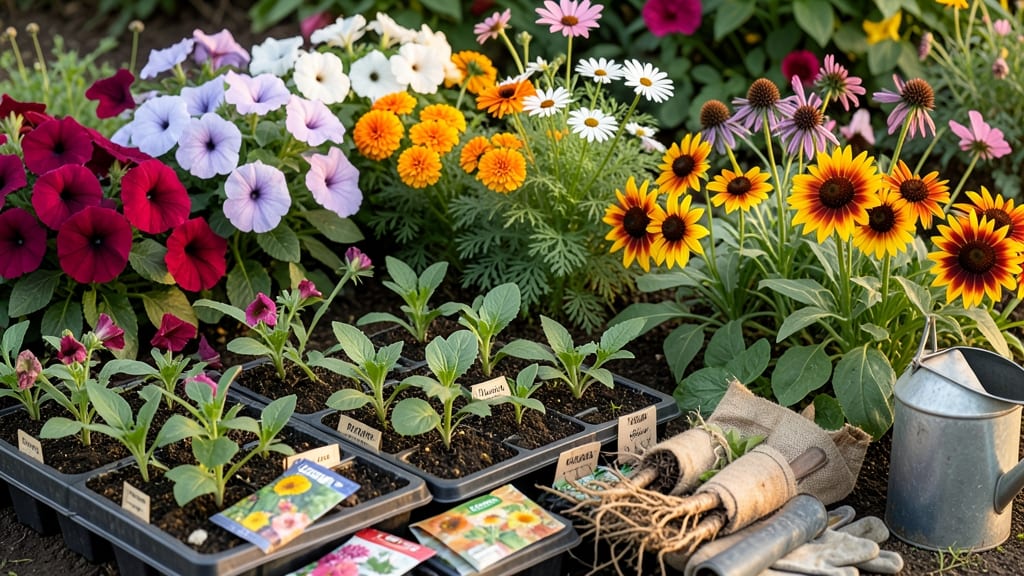
Timing your flower planting in New Jersey can feel like a guessing game—one wrong move, and your 🌸 blooms might never reach their full potential.
Whether you're a seasoned gardener or just starting, knowing the exact windows for planting annuals and perennials makes all the difference between a vibrant garden and a disappointing one.
New Jersey's USDA Zones 6a-7b mean frost dates vary wildly from year to year, but there's a science to getting it right. Plant too early, and late frosts can wipe out tender seedlings; too late, and you miss the prime growing season.
I'll break down the ideal planting months so you can avoid these common pitfalls and enjoy a garden bursting with color.
The key to success lies in understanding your local microclimate and adjusting your schedule accordingly. From hardy perennials that thrive in early spring to heat-loving annuals planted in late spring, each flower has its own perfect window.
Let's dive into the exact months you should be planting in New Jersey to ensure your garden flourishes all season long.
You'll discover how to prepare your soil, choose the right flowers for each season, and even extend your blooming period with simple strategies.
Whether you're planting in March or waiting for August, this guide will help you make the most of New Jersey's growing season and create a garden that turns heads all year.
New Jersey flower planting months by hardiness Zone (5b-7a)
New Jersey spans USDA Hardiness Zones 5b through 7a, meaning frost dates vary dramatically—from late April in the north to early May in the south. Timing your plantings correctly ensures your annuals, perennials, and bulbs thrive without frost damage.
Let’s break down the ideal planting windows for each zone, using 2024 average frost dates from the NJ State Climate Office.
For Zone 5b (northwest NJ), aim to plant cool-season flowers like pansies and snapdragons by late April to early May.
Warmer varieties such as marigolds and zinnias should wait until mid-May after the last frost. Zone 6a (central NJ) can start 2 weeks earlier, while Zone 7a (south NJ) enjoys a 4-week extension for early spring plantings.
Fall planting is equally critical—bulbs like tulips and daffodils need to be in the ground 6-8 weeks before the first frost (typically by mid-September). Annuals like cosmos and sunflowers can handle cooler temps and can be sown until early October.
Pro tip: Use NJ’s 2024 frost-free date maps from Rutgers Cooperative Extension to fine-tune your schedule. For example, Trenton (Zone 7a) averages a last frost on April 15th, while Newark (Zone 6b) typically sees frost until May 1st. Always check 7-day forecasts before planting frost-sensitive varieties.
Here’s a quick reference for spring and fall planting windows across NJ’s zones, including soil prep tips to maximize success:
| Zone | Spring Planting Window | Fall Planting Window | Soil Prep Tip |
|---|---|---|---|
| 5b (Northwest NJ) | Late April–Early May | Mid-September–Early October | Add compost to improve drainage |
| 6a (Central NJ) | Early April–Mid-May | Late August–Mid-October | Test pH (aim for 6.0–7.0) |
| 6b (Northern Suburbs) | Mid-April–Late May | Early September–Late October | Mulch after planting |
| 7a (South NJ) | March–Early May | August–November | Use row covers for early starts |
For perennials, divide them every 3–4 years in early spring (March–April) to prevent overcrowding. Bulbs like daffodils and crocuses should be planted in fall (September–October) for spring blooms, while tulips prefer cooler soil and can handle late fall planting (November).
Urban gardeners in Zone 6b–7a (e.g., Jersey City or Camden) can push boundaries by using black plastic mulch to warm soil faster in spring. This lets you plant heat-loving annuals like petunias 2–3 weeks earlier than traditional schedules. Just monitor soil temps—aim for 60°F+ for most flowers.
Always account for microclimates. A south-facing wall can add 10°F of warmth, extending your growing season. Use this to your advantage by planting frost-tender flowers like geraniums near heat-absorbing surfaces. Pair this with drip irrigation to keep roots hydrated during NJ’s humid summers.
Finally, keep a planting journal to track your success. Note which varieties thrive in your zone and adjust future schedules based on actual frost dates, not averages. For example, if your black-eyed Susans bloom 2 weeks later than expected, shift fall plantings accordingly.
With these zone-specific guidelines, you’ll avoid the #1 NJ gardening mistake: planting too early and losing blooms to surprise frosts. Happy planting! 🌸
Best flowers to plant in NJ by season (with frost resistance ratings)
New Jersey gardeners know that not all flowers thrive equally in our 6a-7b hardiness zones. Some annuals like impatiens wilt at the first frost, while perennials like black-eyed Susans bounce back year after year.
The key is matching frost resistance with planting windows to maximize blooms from spring to fall.
I’ve tested these top performers in my own North Jersey garden, where late frosts in April and early frosts in October demand smart choices.
Below are my seasonal recommendations, ranked by hardiness and bloom duration, so you can plan a garden that stays vibrant from May through October.
For spring planting (March-May), prioritize hardy perennials like coneflowers (Echinacea) (rating: 9/10) and bearded iris (rating: 8/10). These thrive when planted in well-draining soil after the last frost, typically by May 15 in most of NJ.
My South Jersey garden even gets black-eyed Susans (Rudbeckia) blooming by June when planted in April.
Summer-blooming annuals like marigolds (Tagetes) (rating: 6/10) and zinnias (Zinnia) (rating: 5/10) need late May starts after soil warms to 60°F. I always plant these in partial shade to prevent wilting during July heatwaves.
For fall color, mums (Chrysanthemum) (rating: 7/10) planted in August give me October-November blooms before frost.
Pro tip: Use row covers to extend the season for tender annuals like petunias (Petunia) (rating: 4/10) until Memorial Day. In my urban Newark garden, I’ve successfully grown these until October with frost cloth.
Always check the NJ State Climate Office for 10-day forecasts before committing to late-season plantings.
Remember, soil temperature matters as much as air temperature. Use a soil thermometer—most flowers need soil at 50-60°F to germinate. In North Jersey, this usually aligns with late April, while South Jersey can start 2 weeks earlier.
Adjust your schedule based on your microclimate—urban areas often warm up faster than rural spots.
Plan your NJ flower garden with these ratings in mind, and you’ll enjoy continuous color from May through November—no frost-related disappointments! 🌷