
Flowers
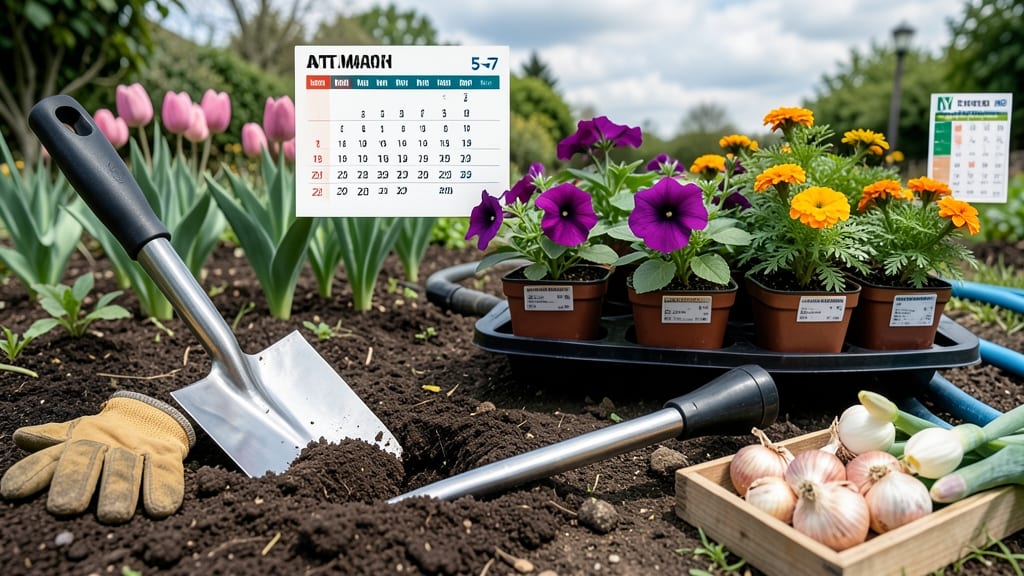
Timing your flower planting in New York can feel like playing a high-stakes game of chance—one wrong move, and late frosts might turn your spring dreams into a sad, brown mess.
But here's the good news: with the right schedule, you can outsmart Mother Nature and enjoy vibrant blooms from May through October.
New York's USDA Zones 6-7 mean frost dates shift between regions, but the general rule is simple: aim for two weeks after your last frost date in spring or 6-8 weeks before the first frost in fall.
Whether you're in NYC's urban heat islands or Upstate's cooler valleys, these windows are your secret weapon for success.
I'll walk you through exactly when to plant everything from hardy perennials to delicate annuals, plus how to adjust for unpredictable weather. No more guessing—just beautiful, resilient flowers that thrive despite New York's temperamental climate.
Ready to transform your garden? Let's dive into the perfect planting calendar that'll keep your flowers blooming like clockwork, no matter what spring or fall throws your way.
New York’s frost dates: critical planting windows for spring vs fall flowers
New York’s USDA Zones 6-7 create a unique challenge for gardeners—late spring frosts can strike until May 15 in some regions, while first fall frosts often arrive by October 15.
These dates aren’t just numbers; they’re the difference between a lush summer garden and a wasted seed packet. I’ve planted flowers for over a decade in Upstate New York, and I’ve learned that microclimates matter—your backyard might be 2-3 weeks ahead of official averages.
For example, New York City tends to warm up 1-2 weeks earlier than Buffalo or the Adirondacks due to the urban heat island effect. Meanwhile, elevated gardens (like those in the Catskills) can face frosts 10 days later than valley gardens.
Understanding these variations helps you time plantings precisely—whether you’re sowing tender annuals or hardy perennials.
Let’s break down the critical planting windows you need to know. The table below shows average last frost dates across New York’s regions, along with the ideal planting windows for spring and fall. These timelines are your garden’s lifeline—follow them, and you’ll avoid the heartbreak of frost-nipped blooms.
| Region | Avg Last Frost | Spring Planting Window | Avg First Frost | Fall Planting Window |
|---|---|---|---|---|
| New York City | April 20–May 5 | May 10–June 1 | October 10–20 | August 15–September 15 |
| Long Island | April 25–May 10 | May 15–June 5 | October 5–15 | August 1–September 10 |
| Upstate (Albany, Syracuse) | May 1–15 | May 20–June 10 | October 15–30 | August 1–September 5 |
| Buffalo/Western NY | May 10–25 | June 1–15 | October 1–15 | July 20–August 15 |
| Adirondacks/Catskills | May 15–30 | June 1–20 | September 15–October 10 | July 1–August 10 |
Now, let’s talk planting strategies. For spring flowers, the goal is to get seeds or transplants in the ground 2-3 weeks after your last frost date. This gives tender plants like marigolds or zinnias time to establish roots before summer heat arrives.
But if you’re planting cold-hardy annuals like pansies or snapdragons, you can start as early as late April—they’ll thrive in cooler temps.
Fall planting is where New York gardeners shine. Many perennials and bulbs actually prefer cooler soil and can be planted 6-8 weeks before your first frost. This means late summer to early fall is prime time for tulips, daffodils, and chrysanthemums.
The key is to plant them deep enough (usually 6-8 inches) so they’re insulated from freeze-thaw cycles.
One mistake I see often? Planting warm-season annuals too early
Best flowers to plant in spring vs fall for New York gardens
Choosing the right flowers for New York’s climate means balancing frost hardiness with seasonal timing. Spring-planted annuals like cosmos and marigolds thrive when soil warms to 55°F+, while fall favorites such as pansies and calendula handle light frosts down to 25°F.
The key is matching each variety’s tolerance to your region’s last/first frost dates.
For spring planting, focus on heat-loving annuals that germinate slowly in cool soil. These include zinnias (direct-sow after May 1), sunflowers (transplant after last frost), and snapdragons (start indoors in March). Perennials like black-eyed Susans and coneflowers can go in as early as April if soil isn’t soggy.
Fall planting offers a second chance for cold-tolerant annuals that bloom into winter. Pansies and stocks handle frost beautifully, while kale (yes, it’s a flower!) adds edible color. Bulbs like tulips and daffodils should hit the ground by mid-October to root before dormancy.
Spring vs Fall Flower Pros & Cons
Spring Planting
- ✅ Pros: Longer growing season for blooms
- ✅ Pros: Wider variety of heat-loving annuals
- ❌ Cons: Risk of late frosts damaging seedlings
- ❌ Cons: Slow germination in cool soil
Fall Planting
- ✅ Pros: Fewer pests and diseases
- ✅ Pros: Cold-hardy flowers bloom early
- ❌ Cons: Limited time to establish roots
- ❌ Cons: Fewer variety options
My top spring picks for New York gardens are cosmos (drought-tolerant and self-seeding) and lobelia (great for containers). For fall, I swear by pansies—they’ll keep blooming until snow covers them! Both seasons benefit from succession planting: sow bachelor’s buttons every 2 weeks in spring to stretch your blooms.
Pro tip: Use row covers for early spring plantings to protect tender seedlings. For fall, mulch heavily around bulbs to insulate them from freeze-thaw cycles. These small adjustments can mean the difference between a brown patch and a blooming masterpiece.
Don’t forget about perennials—they’re the workhorses of New York gardens. Plant bee balm and Russian sage in spring for years of low-maintenance color, or divide daylilies in fall to rejuvenate their growth. The right choices now mean less work later and more time enjoying your garden.