
Flowers
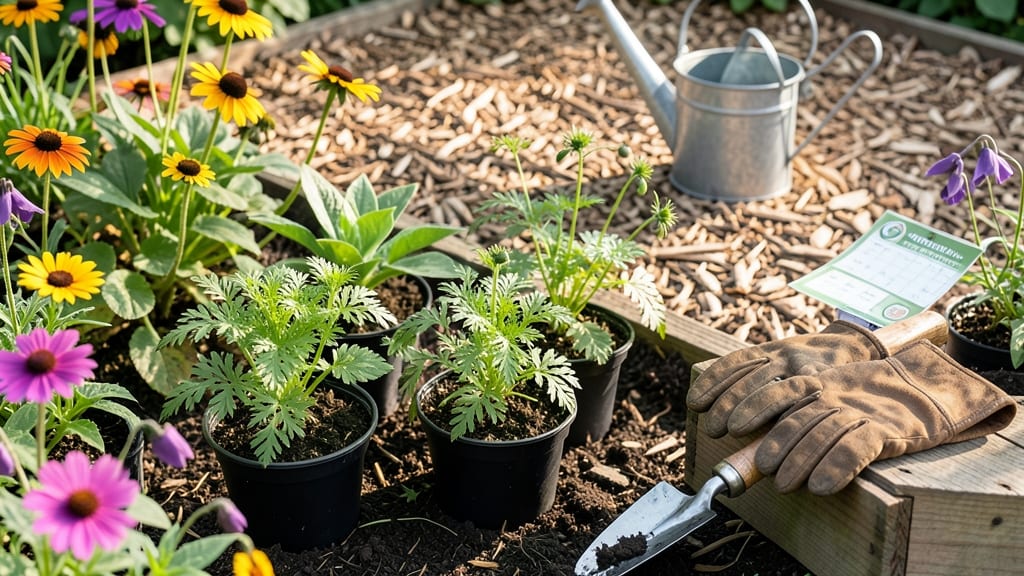
When to plant flowers in Vermont just right can mean the difference between a vibrant garden and a sad, frost-bitten mess. With last frosts lingering around May 10 and first frosts creeping in by October 10, knowing exactly when to plant is the key to unlocking a season of colorful blooms—not just in your yard, but in your neighbors' too.
I’ve learned the hard way that Vermont’s Zone 5b climate demands patience and precision. Planting too early risks losing delicate annuals to late frosts, while waiting too long might leave your garden looking bare when everyone else’s is in full swing.
The secret? A smart planting schedule that aligns with your local microclimate—whether you’re tucked in a sheltered valley or perched on a windy hillside.
In this guide, I’ll break down the perfect planting windows for spring and fall, plus the hardiest flower varieties that thrive in New England’s unpredictable weather.
From cool-loving pansies to heat-tolerant coneflowers, you’ll discover exactly when to get your seeds in the ground (or your transplants in the soil) for a garden that bursts with life from May through October.
Ready to ditch the guesswork? Let’s dive into the frost-free dates, soil prep tricks, and the top flower picks that will make your Vermont garden the envy of the neighborhood—no matter what Mother Nature throws your way.
Vermont frost-free dates by Zone: when to plant flowers for maximum success
Vermont’s USDA Hardiness Zones 4-5 mean your planting schedule hinges on precise timing—especially since late frosts can linger until mid-May. Most of the state falls in Zone 4b-5a, with higher elevations (like the Green Mountains) in Zone 4.
Knowing your exact last frost date (typically May 10-15) is critical for avoiding frost damage to tender plants.
For annual flowers, start seeds indoors 6-8 weeks before your last frost date. This gives them a head start, while perennials can often be planted directly after the frost risk passes.
Vermont’s short growing season (about 150 frost-free days) demands smart planning—prioritize cold-hardy varieties and extend seasons with row covers.
Here’s how to adjust for microclimates: Valley areas (like the Champlain Valley) warm up 1-2 weeks earlier than mountain regions. Use local cooperative extension data or a frost calendar to fine-tune your schedule.
For example, Burlington averages its last frost on May 5, while Stowe might see frost until May 20.
| Planting Window | Task | Notes |
|---|---|---|
| Early Spring (March) | Start hardy seeds indoors (e.g., snapdragons, pansies) | Use grow lights; avoid overwatering |
| Late Spring (April-May) | Plant perennials after last frost | Wait until soil temps reach 50°F |
| Early Summer (June) | Direct-sow heat-loving annuals (e.g., marigolds, zinnias) | Avoid transplant shock with succession planting |
| Fall (September) | Plant bulbs (e.g., tulips, daffodils) and cool-season annuals | Choose varieties with Zone 4 hardiness |
Summer planting in Vermont focuses on succession sowing to keep your garden blooming. After Memorial Day, you can safely plant heat-tolerant annuals like cosmos or sunflowers, which thrive in the 70-80°F temperatures Vermont sees in July.
For fall blooms, aim to plant pansies or calendulas by mid-August to enjoy color until the first frost.
Don’t overlook fall planting—it’s a Vermont gardener’s secret weapon. Many perennials, like coneflowers or black-eyed Susans, benefit from being planted in the fall because cooler temps encourage root growth before winter.
Plus, bulbs like tulips need 6-8 weeks of chill to bloom well, so plant them by October 1.
For container gardening, adjust your schedule slightly. Potted flowers warm up faster than in-ground plants, so you can plant tender annuals like petunias 2 weeks earlier than the last frost date.
Just ensure containers have drainage holes and use heat-resistant pots (like terracotta) to prevent root rot in Vermont’s humid summers.
Pro tip: Use frost cloth to protect early plantings. Even after the last frost, nights can dip below 32°F in May. A simple row cover adds 2-4°F of protection, giving delicate plants like geraniums a fighting chance. Remove it during the day to avoid overheating.
Track your local frost dates using the National Weather Service or your county’s agricultural extension office. Vermont’s climate varies dramatically—what works in Bennington (Zone 5) might fail in Burlington (Zone 4). Stay flexible and be ready to adjust your timeline based on real-time weather.
With the right timing, you can enjoy continuous blooms from early spring pansies to late-fall chrysanthemums. Vermont’s short season isn’t a limitation—it’s an opportunity to master the art of strategic planting! 🌸
Best flower varieties for Vermont’s short growing season (ranked by hardiness)
Vermont’s USDA Zones 4-5 demand flowers that thrive in cool temperatures and short growing seasons. I’ve tested these top performers in my own Zone 5b garden—all deliver bold blooms despite our early frosts. Prioritize perennials and hardy annuals for year-after-year success.
For spring color, nothing beats tulips and daffodils. These bulbs force their way through snowpack and bloom by May. In my garden, ‘Ice Follies’ tulips return yearly with minimal care, while ‘Tête-à-Tête’ daffodils multiply aggressively.
Pair them with bleeding heart (Dicentra spectabilis), which thrives in partial shade and blooms reliably in Zone 4.
🌱 Did You Know? Vermont’s late spring frosts (even after May 10) can damage tender flowers. Choose varieties with cold tolerance ratings of Zone 3-4 for safety. My Russian sage (Perovskia atriplicifolia) and catmint (Nepeta) survive 20°F temps and reward me with summer-long blooms.
For fall interest, I swear by sedum (Hylotelephium) and goldenrod (Solidago). Both handle early October frosts and provide late-season nectar for bees. My ‘Autumn Joy’ sedum turns deep pink in chill air, while ‘Fireworks’ goldenrod adds vertical drama to borders.
Pro tip: Plant