
Plants
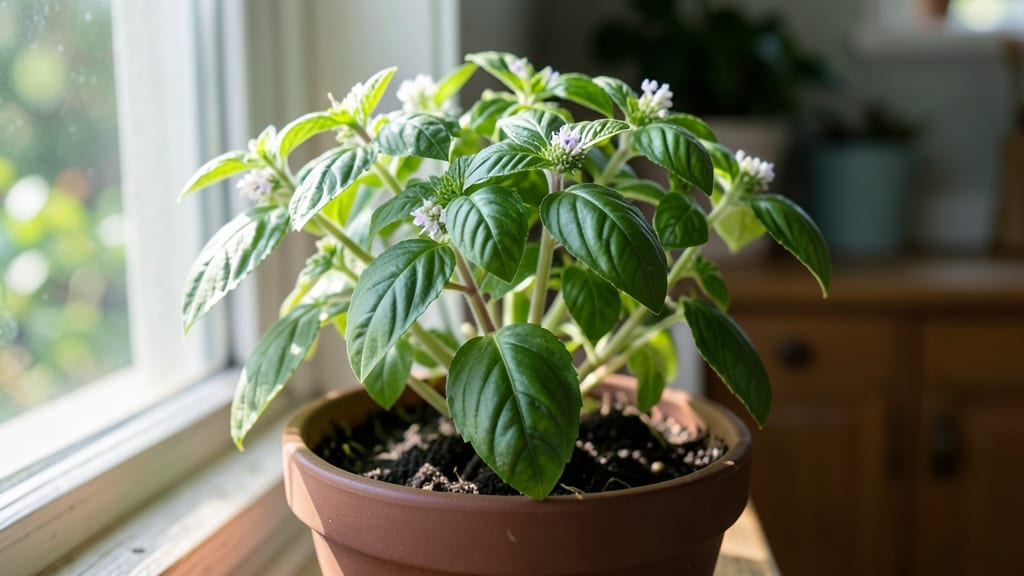
If you’ve ever wondered how tall your 🌿 basil plant can grow, the answer might surprise you—because some varieties stay compact while others reach nearly waist-high!
Whether you’re planning a container garden or a full herb bed, knowing these height differences is the key to maximizing your harvest and keeping your plants healthy.
Most basil plants, like the classic Genovese, top out around 18-24 inches, making them perfect for kitchen windowsills or small pots. But don’t be fooled—some varieties, like Thai basil, can stretch taller, while dwarf types stay under 12 inches.
The right variety and a little pruning can mean the difference between a bushy, productive plant and a leggy one that flops over.
Sunlight, soil, and even your watering habits play a huge role in how tall your basil grows. Too much shade or overwatering can send your plant reaching for the sky, while proper care keeps it sturdy and full.
I’ll show you exactly how to control height naturally—so you can enjoy fresh basil all season without sacrificing space or yield.
Ready to turn your basil into a thriving, manageable plant? Let’s dive into the varieties, growth tips, and tricks to keep your 🌿 basil at the perfect height—no matter where you’re growing it.


Basil plant height by variety: compact vs. towering types
When planning your herb garden, knowing how tall can a basil plant grow helps you choose the right variety for your space. Some basil types stay neatly compact, perfect for windowsills, while others reach towering heights that demand more room.
The key difference lies in their genetic growth patterns—some varieties naturally grow bushier and shorter, while others stretch upward like small trees.
For example, Genovese basil, the classic Italian variety, typically grows 18-24 inches tall with broad leaves, making it ideal for kitchen gardens. In contrast, Thai basil often reaches 24-36 inches and develops a woody stem if left unchecked.
Understanding these height differences ensures you place each variety in the right spot—whether in containers, raised beds, or directly in the ground.
Here’s what you need to know about spacing: Compact varieties like Spicy Globe basil (12-18 inches) thrive when planted 8-10 inches apart, while taller types like Sweet basil (24-36 inches) need 12-18 inches of space to avoid crowding.
Proper spacing prevents competition for sunlight and nutrients, which directly impacts both height and leaf production.
Now, let’s dive into the specifics with a side-by-side comparison of popular basil varieties, their mature heights, and ideal spacing recommendations.
| Variety | Mature Height | Spacing (inches) | Growth Habit | Best For |
|---|---|---|---|---|
| Genovese | 18-24" | 10-12" | Upright, bushy | Kitchen gardens, pesto |
| Thai Basil | 24-36" | 12-18" | Tall, leggy | Asian dishes, containers |
| Purple Basil | 12-18" | 8-10" | Compact, rounded | Decorative, garnishes |
| Lemon Basil | 18-24" | 10-12" | Bushy, aromatic | Salads, teas, containers |
| Spicy Globe | 12-18" | 8-10" | Dwarf, rounded | Windowsills, small pots |
| Sweet Basil | 24-36" | 12-18" | Tall, sprawling | Large gardens, borders |
If you’re growing basil in containers, choose compact varieties like Spicy Globe or Purple basil to maximize yield. These stay under 18 inches tall and fit perfectly in 6-8 inch pots.
For taller varieties like Thai basil, opt for 12-inch or larger containers to accommodate their roots and prevent toppling.
Another factor influencing height is pruning habits. Regularly pinching back the tips of taller varieties like Genovese basil encourages bushier growth and prevents them from becoming leggy. Without pruning, even compact varieties can stretch toward light, reaching 20-30% taller than their ideal height.
For example, Lemon basil might grow 24 inches tall with minimal pruning but stays around 18 inches when pinched regularly.
For gardeners with limited space, dwarf varieties like Mini Basil (6-12 inches) are game-changers. These stay low to the ground, making them perfect for hanging baskets or window boxes. Pair them with taller varieties like Sweet basil
How to control basil height naturally without pruning
If you’re growing basil in a small space or want to keep it manageable, you don’t always need to prune to control its height. Light exposure, container size, and nutrient balance play huge roles in shaping your basil’s growth naturally.
By tweaking these factors, you can encourage bushier, shorter plants without sacrificing yield or health.
First, consider the container size you’re using. Basil thrives in 5- to 6-inch pots because confined roots trigger denser foliage growth. If you’re growing in the ground, space plants 12-18 inches apart to prevent overcrowding, which can lead to leggy, tall stems.
Root-bound plants grow taller as they stretch for space and light.
Next, focus on light exposure. Basil needs 6+ hours of direct sunlight daily, but too much intense light—especially in hot climates—can cause rapid, leggy growth.
If your basil starts stretching toward the sun, try light shade cloth during peak afternoon hours to diffuse the light while still providing enough brightness for photosynthesis.
Another natural way to control height is through balanced fertilization. Overfeeding with nitrogen-rich fertilizers promotes leafy growth but can lead to tall, weak stems. Instead, use a balanced 10-10-10 fertilizer every 4-6 weeks and apply it lightly.
Too much fertilizer mimics overcrowding, pushing the plant to grow taller to support its own weight.
Finally, companion planting can help manage basil height indirectly. Growing basil near tomatoes, peppers, or marigolds provides partial shade and competition for nutrients, which naturally keeps basil shorter and bushier. Avoid planting it next to fast-growing, towering plants like sunflowers, which can overshadow and stress your basil.
⚠️ Callout-Warning: Myth Alert! Many gardeners assume pruning is the only way to control basil height, but over-pruning can actually stress the plant and reduce yield. Instead, focus on preventative care—like proper spacing, light management, and fertilization—to keep your basil at an ideal height without constant trimming.
This approach saves time and keeps your basil thriving naturally.
By combining these techniques, you’ll encourage compact, bushy basil plants that stay within your desired height range. The key is consistency—monitor your basil’s growth habits and adjust light, space, and nutrients as needed.
With the right balance, you can enjoy a steady harvest of flavorful leaves without the hassle of frequent pruning.