
Plants
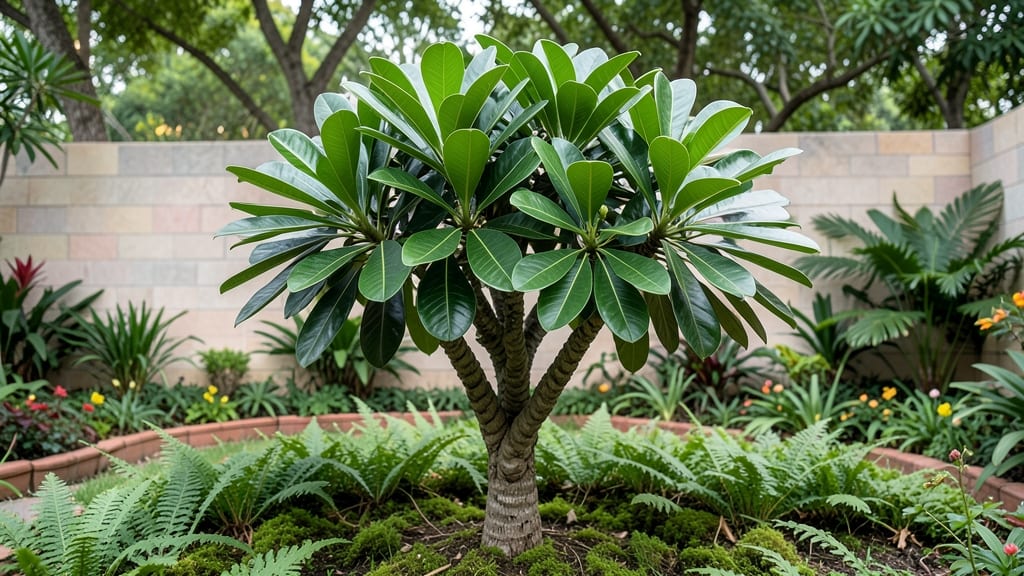
If you’ve ever wondered how tall a money tree plant will grow before it outgrows your living room ceiling, you’re not alone—indoor height limits vary wildly by variety, care, and pruning habits.
The iconic braided money tree 🌿 can reach 6 to 10 feet outdoors, but indoors, its growth slows dramatically. Most standard varieties stay between 3 and 6 feet with proper care, making them perfect for apartments and offices. Dwarf varieties, however, rarely exceed 3 feet, ideal for small spaces.
What you might not know is that light exposure and pruning play a huge role in controlling its height. Too little light? Your money tree will stretch toward the sun, growing leggy and tall.
But with the right balance of bright indirect light and occasional trims, you can keep it at your desired height—whether that’s a compact 3-foot bonsai or a tall statement piece.
In this guide, I’ll break down everything you need to know—from variety-specific growth expectations to pro tips for managing height—so you can enjoy your money tree without worrying about it becoming a ceiling hazard.


Money tree height limits by variety: indoor growth expectations
Your money tree (Pachira aquatica) is a stunning tropical plant, but its height can vary dramatically depending on the variety and indoor conditions. If you’re wondering whether your plant will stay compact or shoot up toward your ceiling, understanding these height expectations is key.
Most money trees grow 3–10 feet indoors, but dwarf varieties stay under 5 feet, making them perfect for small spaces.
The braided money tree, the most popular variety, typically reaches 6–8 feet indoors with proper care. However, its growth rate slows significantly after the first 3–5 years.
If you’re working with limited space, a dwarf money tree (like the Pachira aquatica 'Mini Money Tree') tops out at just 3–5 feet, ideal for apartments or offices.
Outdoor money trees can grow even taller—up to 10–15 feet—but they’re rare in home gardens due to their tropical origins. For indoor growers, light levels and pruning habits are the biggest factors in controlling height.
A money tree in a bright, indirect light spot will grow faster than one in low light, where it may stay shorter but leggier.
Here’s a quick comparison of how different money tree varieties stack up in terms of height:
| Variety | Indoor Height Range | Outdoor Height Range | Growth Rate (Indoor) |
|---|---|---|---|
| Standard Money Tree | 6–10 feet | 10–15 feet | Slow to moderate |
| Braided Money Tree | 6–8 feet | 8–12 feet | Moderate |
| Dwarf Money Tree | 3–5 feet | 5–7 feet | Slow |
| Bonsai Money Tree | 1–3 feet | N/A (indoor only) | Very slow |
If you’re curious about your money tree’s future height, check its stem thickness and leaf size. Thicker stems and larger leaves often indicate a plant with greater growth potential.
For example, a braided money tree with 3-inch leaves will likely reach 6–8 feet indoors, while a dwarf variety with 2-inch leaves will max out at 3–4 feet.
Another way to estimate height is by comparing your plant to its container size. A money tree in a 12-inch pot will grow taller than one in a 6-inch pot, as root restriction slows vertical growth.
If you’re concerned about height, opt for a smaller pot or repot less frequently to keep your plant compact.
Light exposure also plays a critical role. A money tree in a south-facing window (with filtered light) may grow 1–2 feet taller per year compared to one in a north-facing window.
To slow growth, move your plant to a lower-light area or add a sheer curtain to diffuse harsh light.
For those with limited ceiling space, consider pruning your money tree annually to encourage bushier growth. Trimming the top 2–3 inches of new growth in spring will promote side branches and keep the plant fuller rather than tall.
This technique works especially well for braided varieties, where the iconic look is more about shape than height.
Remember, even if your money tree outgrows your space, it’s not a lost cause! With the right pruning and repotting techniques, you can easily manage its height and keep it thriving for years.
Whether you’re aiming for a 3-foot dwarf or a 6-foot statement piece, understanding these growth expectations will help you create the perfect fit for your home.
Money tree height limits by variety: indoor growth expectations
Your money tree (Pachira aquatica) is a stunning indoor plant, but its height varies dramatically depending on the variety and care. Without proper guidance, even a standard money tree can reach 8 feet indoors—far taller than most living spaces!
Let’s break down the mature height expectations for the most popular varieties so you can plan accordingly.
First, understand that indoor growth is slower than outdoor conditions. A braided money tree (the classic variety) typically grows 1–2 feet per year indoors, while bonsai-style dwarf varieties stay compact at 3–5 feet.
If you’re worried about ceiling clearance, knowing these height benchmarks will help you choose the right variety and manage growth effectively.
🌿 Money Tree Variety Height Guide
| Variety | Indoor Mature Height | Growth Rate (Indoor) | Ideal For |
| Braided Money Tree | 6–10 ft | 1–2 ft/year | Large spaces, statement plants |
| Standard Money Tree | 5–8 ft | 1 ft/year | Medium rooms, living areas |
| Dwarf Money Tree (Bonsai) | 3–5 ft | 6–12 in/year | Small spaces, desks, shelves |
| Mini Money Tree (Petite) | 2–3 ft | 4–8 in/year | Offices, apartments, terrariums |
If you’re eyeing a braided money tree for your living room, expect it to hit 6–10 feet indoors with proper care. That’s why pruning and repotting are critical—more on that in the next section!
For smaller spaces, opt for dwarf or mini varieties, which stay under 5 feet and grow at a slower pace. Even these can outgrow their space if neglected, so regular maintenance is key.
Light exposure plays a huge role in height control. A money tree in low light will grow taller and leggier as it stretches toward light sources. Place yours near an east or north-facing window for bright indirect light, which encourages compact, bushier growth.
Avoid direct sunlight, which can scorch the leaves and stress the plant.
Another factor? Soil and pot size. A root-bound money tree grows faster because its roots are restricted, prompting vertical growth. To slow height, repot every 2–3 years into a slightly larger container (just 1–2 inches wider).
This gives roots more room to spread horizontally, reducing the urge to grow upward. Pair this with well-draining soil to prevent root rot, which can stunt growth entirely.
Pro tip: Rotate your money tree every few weeks to ensure even light exposure on all sides. This prevents one-sided growth and keeps the plant symmetrical.
If you notice leggy stems or sparse leaves, it’s a sign your plant needs more light or a pruning session to encourage fullness.
With the right care, you can keep your money tree at your desired height—whether that’s 3 feet for a desk or 6 feet for a statement piece.