
Plants
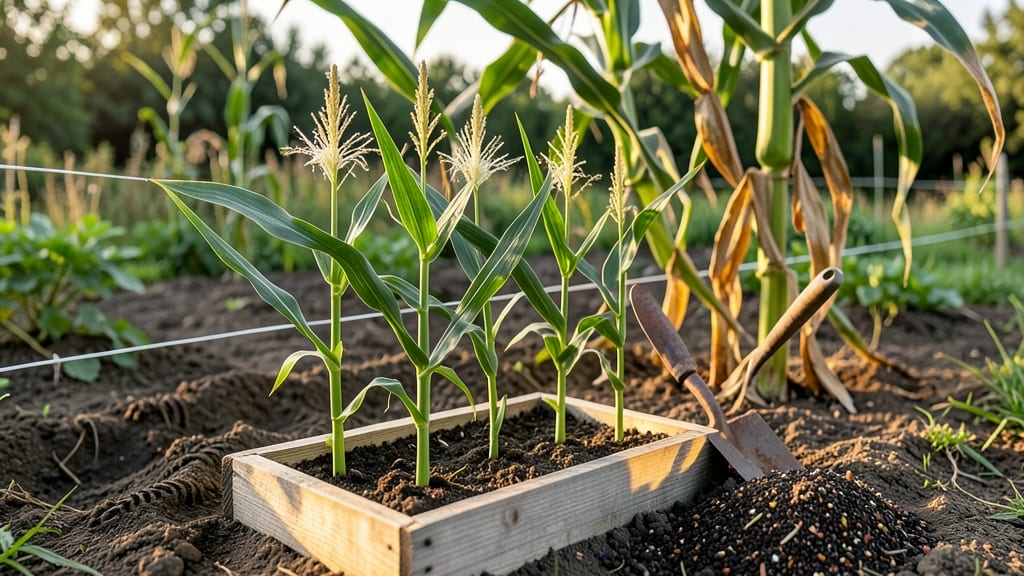
Planting corn in Mississippi isn’t just about sticking seeds in the dirt—it’s about timing it perfectly to beat the heat and frost. The ideal window for sowing 🌽 is between mid-April and early June, when soil temperatures hit at least 60°F and the last frost has passed.
Skip this window, and you risk stunted plants or early blight, which can wipe out your crop before harvest.
Mississippi’s USDA Zones 8A-B offer flexibility, but the Delta’s humidity and coastal areas’ occasional late frosts mean you can’t treat the whole state as one. Northern regions near the Tennessee border might wait until late April, while southern zones near Biloxi can start as early as late March.
The key is watching soil temps, not just calendar dates.
If you’re new to growing corn, you might assume “spring” means any old time—but that’s a mistake. Planting too early exposes tender seedlings to frost, while waiting too long cuts your harvest window short.
I’ll show you how to read your soil’s cues, pick the right varieties for your microclimate, and even stretch your season with succession planting.
Ready to grow corn that rivals the fields in the Mississippi Delta? Let’s dive into the exact dates, soil prep secrets, and variety choices that’ll turn your garden into a cornucopia—literally. Your first golden ear is closer than you think.
Optimal Mississippi corn planting dates by zone 8A vs 8B
Mississippi’s USDA Zones 8A-B offer a 210-240 day frost-free season, perfect for corn—but timing varies by zone. Zone 8A (northern MS) has slightly cooler springs, while Zone 8B (southern MS) can start earlier. Soil temperature is your best guide: corn needs 60°F+ soil to germinate reliably.
In Zone 8A, aim for mid-April to early May planting when soil warms. Zone 8B gardeners can start late March to mid-April.
These windows ensure 60-75 day varieties mature before fall frost. Mississippi State University Extension recommends waiting 2-3 weeks after last frost—even if soil is warm—to avoid cold snaps.
Here’s how to align your planting with Mississippi’s microclimates and variety maturity:
| Zone | Optimal Planting Window | Soil Temp Requirement | Last Frost Date | Recommended Varieties |
|---|---|---|---|---|
| Zone 8A | Mid-April to early May | 60°F+ (15°C+) | Late Feb - early April | 'Silver Queen', 'Peaches & Cream' (75-85 days) |
| Zone 8B | Late March to mid-April | 60°F+ (15°C+) | Early Feb - late March | 'Golden Bantam', 'Country Gentleman' (60-70 days) |
For succession planting, Mississippi gardeners can make 2-3 plantings 2 weeks apart in April-May. This stretches harvests from late July to October. Early varieties (60 days) like 'Golden Bantam' work for late plantings, while late varieties (100+ days) need Zone 8B’s longer season.
Common planting mistakes in Mississippi include:
- Planting too early when soil is cold (<55°F)
- Skipping soil prep (corn needs loose, fertile soil)
- Overcrowding seeds (aim for 1 seed every 4-6 inches)
To prep soil, till to 12 inches deep and mix in compost or aged manure. Mississippi’s clay-heavy soils benefit from gypsum or sand to improve drainage. Test pH (ideal: 6.0-6.8) and amend with lime if needed.
Mississippi’s humid summers demand good airflow between rows. Space rows 30-36 inches apart to prevent fungal diseases like corn smut. Drip irrigation is ideal for consistent moisture without wetting foliage.
Remember: Zone 8B can push late plantings into June for fall harvests, but yields may drop. Zone 8A should avoid post-May plantings unless using short-season varieties. Track your local frost dates using the Mississippi Automated Weather Network (MAWN) for precision.
With these zone-specific dates and soil prep tips, your Mississippi corn will thrive—ready for harvest just in time for grilling season! 🌽
How to adjust planting dates for Mississippi’s microclimates
Mississippi’s 200-mile stretch from north to south creates microclimates that can shift your corn planting window by weeks. In northern Mississippi (like Tupelo or Oxford), late April is safer—frost lingers until early April, and soil warms slower.
Meanwhile, coastal areas (Biloxi, Gulfport) can start as early as late March, thanks to milder winters and faster soil warming.
Urban gardens in Jackson or Hattiesburg often face heat islands—concrete and pavement trap warmth, letting you plant 1-2 weeks earlier than rural areas. But watch for unpredictable heat spikes; if nighttime temps dip below 50°F, seedlings may struggle.
Use a soil thermometer (not just a calendar) to confirm readiness.
🌱Pro Tip: If you’re near the Delta region, aim for early May planting. The humidity there speeds up germination, but also increases fungal risks like smut. Raised beds or well-drained soil help mitigate this.
Plant late April to early May. Last frost often hits March 20–April 5, but soil may not reach 60°F until mid-April. Choose early-maturing varieties (60–70 days) to avoid summer heat stress.
Ideal window: mid-April to late May. Soil warms faster here, but urban areas (like Jackson) can start 1 week earlier due to heat retention. Monitor for late frosts—they’re rare but possible.
Start late March to early April. Coastal zones (e.g., Biloxi) have earlier last frosts (late Feb–early March) and faster soil warming. Succession planting works well here—stagger seeds every 2 weeks for continuous harvests.
Plant early April to mid-May. High humidity speeds up growth but also increases pests (e.g., corn earworm). Use row covers or early-maturing hybrids to outpace heat stress.
Plant 1–2 weeks earlier than rural areas. Sidewalks and buildings create microclimates 5–10°F warmer. Test soil temps at 4-inch depth—urban soil may hit 60°F 2 weeks before rural spots.
Don’t rely solely on frost-free dates—they’re just one piece of the puzzle. The first-leaf emergence (when seedlings push through soil) is your real deadline. If you plant in early April but soil stays cold, seeds may rot. Wait until soil thermometers consistently read 60°F+ for 5+ days.
For succession planting, Mississippi’s long season lets you try 2–3 plantings. Start the first batch in late April, then repeat every 2–3 weeks until early June. This stretches harvests from July to October, avoiding the peak heat of August when yields drop.
✂️Key Adjustment: If your area had an early spring (like 2023’s mild winter), push planting to March 15–April 1. But if frost lingered past April 15, wait until mid-May—better late than sorry with corn!