
Plants
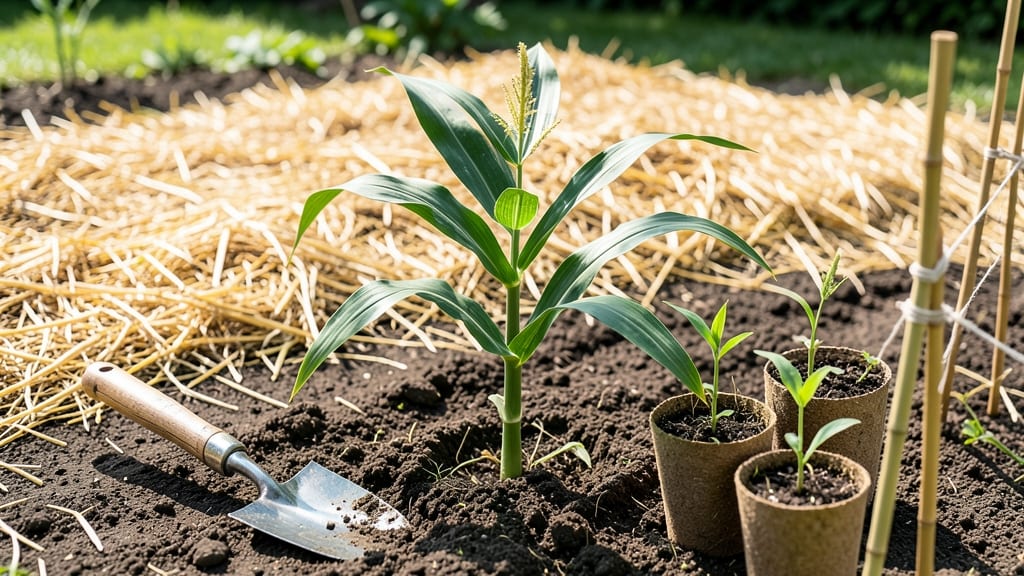
Planting corn in Arkansas at the wrong time can mean the difference between a bumper crop and a disappointing harvest. The key to success isn't just waiting for spring—it's understanding your specific heat zone and soil temperatures, especially in USDA zones 7a-8a where frost can linger until mid-April.
I've learned that timing matters more than most gardeners realize. While mid-April to early May is the ideal window for most varieties, early-planted corn risks frost damage, while late plantings may not mature before Arkansas' hot summers take their toll.
The right schedule ensures your 🌽 reaches peak yield without wasting precious growing days.
What you'll discover here are the exact planting weeks for your region, plus soil prep secrets and variety recommendations that thrive in Arkansas' climate. Whether you're a first-time gardener or a seasoned farmer, these insights will help you avoid common mistakes that reduce harvests by up to 30%.
Let's get your corn growing on the right schedule—because in Arkansas, every day counts when the heat arrives in July. You'll walk away with a planting plan tailored to your zone, plus tips to keep your crop thriving until harvest season.
Arkansas corn planting calendar by heat Zone (with exact weeks)
Arkansas spans USDA Zones 6a through 8a, meaning your corn planting window shifts dramatically from north to south. In Zone 6a (northern AR), you’ll plant by April 15th to avoid late frosts, while Zone 8a gardeners can start as early as March 1st.
The key? Soil temperature must reach 50°F+—corn won’t germinate below this threshold.
Most Arkansas counties experience their last frost between March 15th and April 15th, but microclimates near rivers (like the Arkansas River Valley) can push planting back 1-2 weeks later.
For example, Fayetteville (Zone 7a) typically waits until April 10th, while Little Rock (Zone 7b) can start March 25th.
Here’s the hard truth: Planting too early risks frost damage to young shoots, while late planting (after May 1st) shortens the growing season, reducing ear size. My sweet spot? Aim for 2-4 weeks after your last frost date, when nighttime temps stay above 55°F consistently.
🌽
| Zone | Last Frost Date | Optimal Planting Window | Soil Temp Requirement | Late Variety Cutoff |
|---|---|---|---|---|
| 6a (NW AR) | April 1-15 | April 15-May 1 | 50°F+ | June 15 |
| 7a (Central AR) | March 20-April 5 | April 1-May 10 | 50°F+ | June 20 |
| 7b (Little Rock) | March 15-30 | March 25-April 20 | 50°F+ | June 25 |
| 8a (SE AR) | March 1-15 | March 1-April 10 | 50°F+ | July 1 |
Pro tip: Use a soil thermometer to confirm temps—corn seeds won’t sprout below 50°F, even if the air feels warm. I’ve seen Zone 7a gardeners rush planting in early April only to watch seeds rot in 45°F soil. Patience pays off with bigger ears.
For late-summer varieties, Arkansas gardeners can push planting to June 15th in northern zones and July 1st in southern zones. These succession plantings work best with short-season hybrids (like ‘Silver Queen’, which matures in 75 days) to beat the first frost in November.
One more critical note: Arkansas’ humidity and summer heat (often 90°F+) can stress corn. Planting early (April) gives plants time to establish roots before the dog days of July, while late plantings risk ear rot from prolonged moisture.
My golden rule? Plant early for quantity, plant late for smaller but sweeter ears.
🌡️
If you’re unsure about your zone, check the Arkansas Climate Office or use the USDA Plant Hardiness Zone Map.
Local Cooperative Extension offices (like those in Fayetteville or Jonesboro) also offer free soil tests—I’ve used theirs to adjust my phosphorus levels, which boosted ear size by 20%.
Finally, remember: Corn thrives on consistency. Once planted, maintain 1-2 inches of water weekly and full sun. Skimp on
Arkansas corn planting calendar by heat Zone (with exact weeks)
Arkansas spans USDA zones 6a through 8a, meaning your corn planting window can vary by 3-4 weeks depending on where you live.
In Zone 6a (northern Arkansas), corn should go in the ground by April 15 to avoid frost, while Zone 8a (southern Arkansas) gardeners can start as early as March 15 for early varieties. The key is waiting until soil temperatures hit 50°F—corn seeds won’t sprout below this mark.
I’ve planted corn in both Zone 7a and Zone 8a gardens, and the difference in timing is critical. In cooler zones, late plantings risk stunted growth from Arkansas’ 90°F+ summers, while early plantings in warmer zones may face frost damage if a late cold snap hits.
The solution? Use your last frost date (typically March 15–April 15) as your starting point and adjust based on your zone.
Here’s the breakdown by zone, including the exact weeks to plant for maximum yield:
| Zone | Planting Window | Soil Temp Requirement | Risk if Planted Early | Risk if Planted Late |
|---|---|---|---|---|
| 6a (Northern AR) | April 15–May 1 | 50–55°F | Frost damage | Stunted growth |
| 7a (Central AR) | April 1–April 15 | 50–55°F | Frost damage | Reduced yield |
| 7b (Central AR) | March 25–April 10 | 50–55°F | Minor frost risk | Late maturity |
| 8a (Southern AR) | March 15–March 30 | 50–55°F | Low frost risk | Heat stress |
For Zone 7a and 7b (the most common in Arkansas), aim for early April plantings. Use a soil thermometer to confirm temperatures—corn seeds need consistent warmth to germinate. If your soil is still cold, wait a week or two; rushing can lead to poor germination rates and uneven growth.
Pro tip: Plant early, mid, and late varieties in succession to extend your harvest window. For example, in Zone 7a, plant ‘Silver Queen’ (70-day) in early April, ‘Peaches and Cream’ (80-day) in mid-April, and ‘Bodacious’ (90-day) in late April.
This ensures you have corn ready to harvest from July through September.
Arkansas’ hot summers mean corn planted after May 1 may struggle to mature before the first frost in November. Always check the days to maturity on your seed packet and adjust your planting date accordingly.
For example, a 90-day variety planted on May 15 in Zone 7a will likely bolt before harvest.
Finally, don’t forget to mulch after planting to retain moisture and regulate soil temperature. In Arkansas’ clay-heavy soils, mulching with straw or black plastic can improve germination rates by 20–30%. With the right timing and care, your corn will thrive—ready for harvest just in time for summer grilling!