
Planting
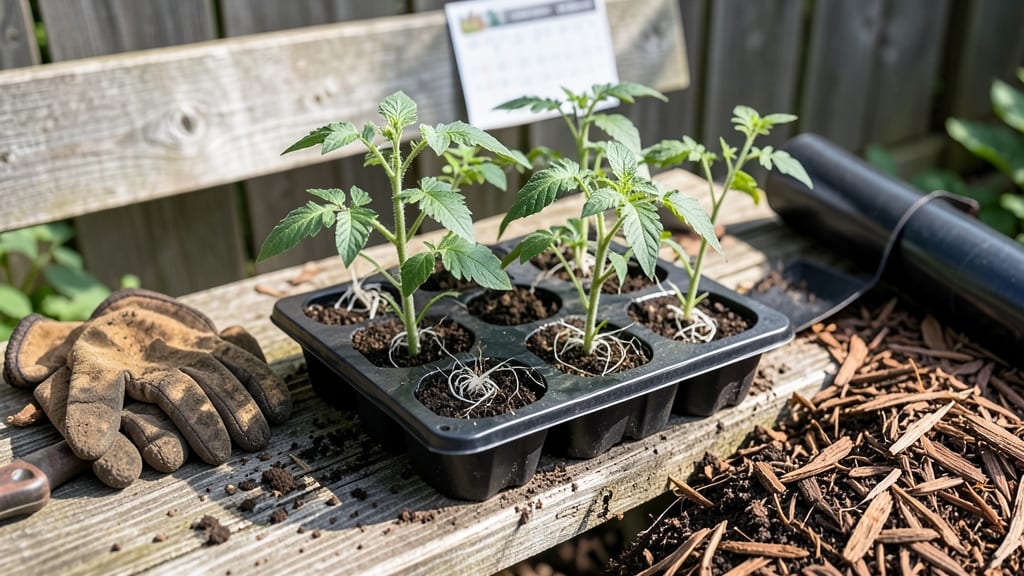
Timing your garden in Zone 7 isn't just about following a calendar—it's about outsmarting the weather to give your 🌱 General Garden Plants the best shot at thriving.
Plant too early, and a late frost could wipe out your seedlings; too late, and you'll miss the sweet spot for peak harvests.
Most gardeners in Zone 7 know the last frost date is around April 15, but that's just the starting point. Cool-season crops like spinach and peas need to go in 4-6 weeks before that date, while heat-loving tomatoes and peppers can't handle being planted until 2-3 weeks after.
The key is understanding how each plant reacts to temperature shifts.
Spring planting isn't your only chance—fall offers a second harvest window when nights cool down after August. With the right strategies, you can extend your growing season well into October, avoiding the common mistake of thinking summer's over too soon.
I'll walk you through exactly when to plant every major crop in Zone 7, plus how to adjust for those tricky microclimates that make some years feel like Zone 6 and others like Zone 8. Let's get your garden on the right schedule for success.
Zone 7 planting timeline by heat-tolerant crop categories
Understanding Zone 7 planting windows starts with recognizing three key crop categories: cool-season, transitional, and heat-loving plants. Each group has distinct temperature thresholds that dictate when to plant in Zone 7’s 190 frost-free days.
My garden thrives when I align planting dates with these categories—skipping this step often leads to wasted seedlings or stunted growth.
Cool-season crops like spinach, peas, and kale tolerate temperatures down to 25°F and should hit the soil 4-6 weeks before your last frost date (around March 15 in most of Zone 7). These hardy plants can even handle light frosts, making them ideal for early spring or late fall planting.
I always start these indoors in late February to get a jump on the season.
Transitional crops such as beans, cucumbers, and zucchini bridge the gap between cool and warm seasons. They prefer 50-75°F soil temperatures and should go in 2-3 weeks after your last frost (around April 20).
These plants struggle when soil temps exceed 80°F, so timing is everything—plant too late, and they’ll wilt before producing.
Heat-loving plants like tomatoes, peppers, and okra need 60°F+ soil temperatures to thrive. In Zone 7, I wait until May 1 to transplant these seedlings outdoors, ensuring the ground has warmed sufficiently.
These crops can handle Zone 7’s summer heat but may suffer from blossom drop if stressed by sudden temperature swings.
Here’s my Zone 7 planting timeline broken down by crop type for quick reference:
| Category | Best Planting Window | Soil Temp Threshold | Zone 7 Examples |
|---|---|---|---|
| Cool-Season | March 15 - April 15 | 35-60°F | Spinach, Peas, Kale, Lettuce |
| Transitional | April 20 - May 10 | 50-75°F | Beans, Cucumbers, Zucchini, Corn |
| Heat-Loving | May 1 - June 1 | 60°F+ | Tomatoes, Peppers, Okra, Basil |
Microclimates within Zone 7 can shift planting windows by 2-3 weeks. For example, mountainous areas like parts of Virginia’s Blue Ridge may have later last frosts (May 1), while coastal North Carolina can plant heat-lovers as early as April 15.
I always check my local Cooperative Extension Service for hyper-local frost dates—this small adjustment can mean the difference between a bountiful harvest and a failed crop.
Succession planting is another Zone 7 game-changer. For crops like lettuce and radishes, I stagger plantings every 2 weeks from March through September. This ensures a continuous harvest and minimizes waste.
My late-summer plantings (August) often produce just as well as spring crops, thanks to Zone 7’s long growing season.
Don’t overlook fall planting—it’s where Zone 7 gardeners gain an edge. Crops like broccoli and carrots planted in late August can mature before the first frost (October 15). I’ve had success with Malabar spinach, which thrives in the 80-90°F heat that would bolt traditional spinach.
Pro tip: Use row covers to extend your fall planting window by 3-4 weeks. I cover my kale and Swiss chard beds in early September to protect them from unexpected cold snaps. This simple trick has added 2 extra harvests to my season every year.
🌱
How to adjust planting dates for Zone 7’s unpredictable spring heat
Zone 7’s spring is famously unpredictable, with 80°F+ days sneaking in as early as March. I’ve learned the hard way that lettuce bolting by April isn’t just a myth—it’s a reality when you misjudge the soil temperature.
The key? Adjusting planting dates based on heat tolerance, not just frost dates.
Start by monitoring soil temperatures with a soil thermometer—most cool-season crops (like spinach or peas) need soil temps below 50°F to germinate. If your thermometer reads 60°F+, delay planting until nighttime temps stay below 65°F consistently.
For heat-sensitive seedlings, like Swiss chard or kale, I harden off plants for 10-14 days before transplanting. This means gradually exposing them to outdoor conditions (sun, wind, and cooler nights) to build resilience. Skip this step, and your seedlings will wilt dramatically when moved to the garden.
Use backup planting dates as a safety net. For example, if you plant lettuce in early March and it bolts, have a second batch ready by mid-April for a late-spring harvest. Heat-tolerant varieties, like ‘Black Seeded Simpson’ lettuce, can handle 75°F+ temps better than standard types.
For warm-season crops (tomatoes, peppers), wait until after the last frost (typically April 15 in Zone 7) but also ensure nighttime temps stay above 55°F. I’ve found that row covers can buy you 2-3 extra weeks of planting time for heat-loving plants.
Finally, succession planting is your best friend. Instead of one big lettuce crop in March, plant small batches every 2 weeks until early May. This spreads out your harvest and reduces risk from unpredictable heat spikes.