
Planting
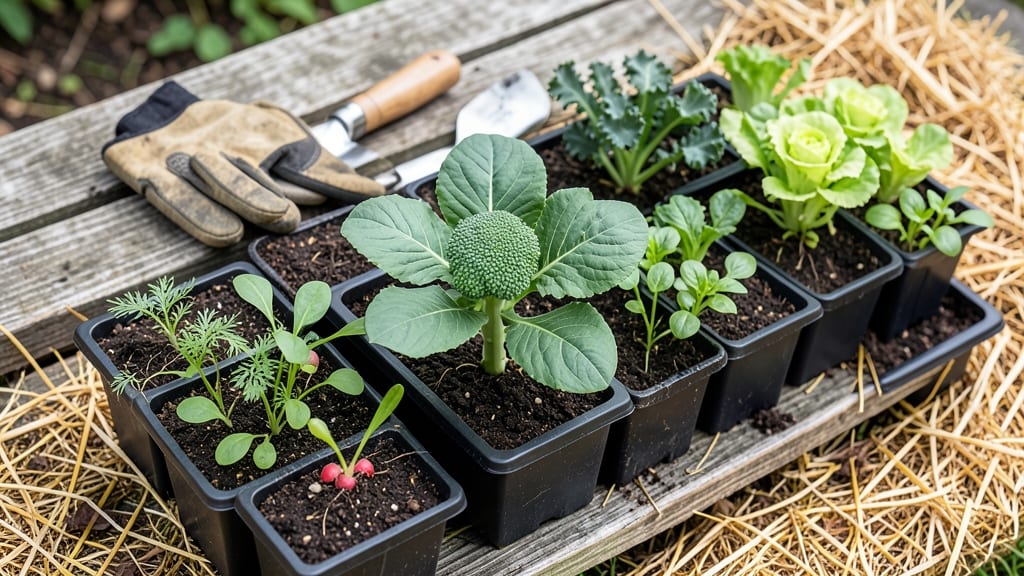
Planting a fall garden in Zone 7 might seem tricky, but with the right timing, you can enjoy fresh harvests well into winter. The key is starting early enough to beat the first frost while avoiding summer's scorching heat.
I’ve tested countless planting schedules, and the perfect window for cool-season crops like kale, spinach, and carrots is just around the corner—typically between mid-August and early September. Warm-season holdovers like tomatoes and peppers, however, need to go in by late July to mature before temperatures drop.
Why does this matter? A well-timed fall garden means fewer weeds, cooler soil, and a bountiful harvest before winter sets in. You’ll learn exactly which crops thrive in Zone 7’s mild autumn and how to stretch your growing season with simple tricks.
Let’s dive into the exact deadlines and strategies to make your fall garden a success—no guesswork, just proven results.
Zone 7 fall planting deadlines by vegetable type (avoid frost with these exact dates)
Fall gardening in Zone 7 is a game-changer—you can grow fresh vegetables long after summer’s heat fades. But timing is critical to avoid frost damage when temperatures dip below 28°F (-2°C).
The average first frost date in Zone 7 falls between October 15 and November 15, depending on your exact location.
To maximize your harvest, I’ve broken down planting deadlines by crop type, including cool-season vegetables (like kale and spinach) and warm-season holdovers (like tomatoes and peppers). These deadlines ensure your plants mature before frost, but also account for succession planting to extend your garden’s productivity.
Use this summary-table as your roadmap. It includes both seed-starting dates and transplant deadlines, so you can plan whether to sow directly in the garden or start indoors for an earlier jumpstart.
| Crop Type | Last Chance to Plant Seeds | Last Chance to Transplant | Days to Maturity | Notes |
|---|---|---|---|---|
| Leafy Greens (Lettuce, Spinach, Kale) | August 15 - September 15 | September 1 - October 1 | 30-60 days | Tolerates light frost; use row covers for protection. |
| Root Vegetables (Carrots, Beets, Radishes) | August 1 - September 10 | September 1 - September 20 | 40-70 days | Radishes mature fastest; plant every 2 weeks for continuous harvest. |
| Brassicas (Broccoli, Cabbage, Cauliflower) | July 15 - August 15 | August 1 - September 1 | 60-90 days | Start seeds indoors for head starts; transplant before August 15. |
| Warm-Season Holdovers (Tomatoes, Peppers, Beans) | June 15 - July 15 (for transplant) | July 1 - August 1 | 60-120 days | Use black plastic mulch to warm soil; harvest before first frost. |
| Herbs (Cilantro, Parsley, Dill) | August 1 - September 10 | September 1 - September 20 | 30-50 days | Cilantro bolts in heat; choose bolt-resistant varieties for fall. |
| Flowers (Pansies, Snapdragons, Calendula) | August 1 - September 15 | September 1 - October 1 | 40-70 days | Pansies thrive in cool weather; deadhead for continuous blooms. |
For warm-season crops like tomatoes and peppers, the key is to start early—by June 15 at the latest—so they can mature before temperatures drop. These plants thrive in warm soil, so consider using black plastic mulch or a cold frame to extend their growing season.
If you’re growing cool-season crops, focus on varieties that tolerate light frost, such as kale, spinach, and radishes. These can often survive 20-25°F (-6 to -4°C) with minimal damage.
For frost-sensitive plants like lettuce or carrots, use row covers or low tunnels to buy extra time.
Pro tip: Check your local frost date using the <
How to extend your fall garden season: 5 proven techniques to delay frost damage
Zone 7’s first frost typically arrives between mid-November and early December, but with the right strategies, you can push your harvests weeks—or even months—later. I’ve used these techniques in my own garden to keep kale, spinach, and carrots thriving well past the average frost date.
The secret? Combining physical protection, succession planting, and soil management to create an extended growing window.
One of my favorite methods is using floating row covers (lightweight fabric) to insulate plants while still allowing sunlight and water through. I’ve seen lettuce and radishes survive light frosts down to 25°F when covered.
For heartier crops like kale and Swiss chard, a simple cold frame (a clear plastic or glass box) can add 10-15°F of warmth and extend harvests by 4-6 weeks.
Here’s how I prioritize these techniques based on crop type and frost tolerance:
🌱 5 Proven Techniques to Extend Your Fall Garden
- Row Covers: Use lightweight fabric over lettuce, spinach, and radishes to protect from light frosts (25-30°F). Secure edges with bricks or soil to prevent wind damage.
- Cold Frames: Ideal for broccoli, cabbage, and carrots. Place over plants in late September to trap heat during the day and release it at night.
- Succession Planting: Sow fast-growing crops like bush beans, turnips, and arugula every 2 weeks from August through September for staggered harvests.
- Soil Warming: Cover bare soil with black plastic mulch in late summer to absorb heat and keep roots warm for slow growers like onions and leeks.
- Frost-Cloth: Heavyweight frost cloth (rated for 20°F) can protect tender herbs like cilantro and parsley through early winter.
Timing is critical—start these protections 4-6 weeks before your average first frost date. For example, if your frost date is November 15, begin using row covers by October 15 to give plants time to acclimate.
I’ve also found that hardening off seedlings for 7-10 days before covering them reduces stress and improves survival rates.
Don’t overlook microclimates in your garden. South-facing beds stay warmer longer, while low-lying areas frost first. I always plant frost-sensitive crops like basil and tomatoes near the house or on a sunny slope to buy extra time.
Even a 2-3°F difference can mean the difference between a thriving plant and a frost-killed one.
Pro tip: Monitor your local frost forecast and have a 5-day emergency plan ready. If a hard freeze is predicted, cover plants with blankets or cardboard and remove them during the day to prevent overheating.
With these techniques, I’ve harvested spinach and kale well into December—sometimes even January—when conditions are mild.