
Plants
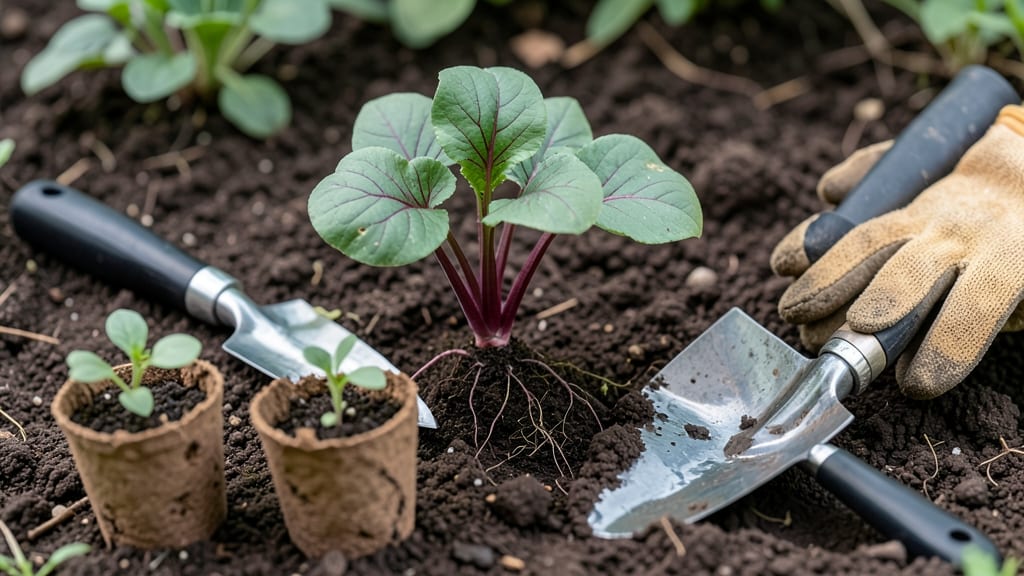
Planting fall beets in Zone 6 is all about timing—get it right, and you’ll harvest sweet, tender roots before frost sets in. The key is starting 8-10 weeks before your first frost (around mid-October in Zone 6a), ensuring they mature just as temperatures drop.
Too early, and your beets may bolt; too late, and frost ruins your harvest. Let me show you exactly when to sow these 🍠 for a perfect fall crop.
Most gardeners in Zone 6 wait until mid-to-late summer (July or August) to plant, but the real secret lies in soil temperature. Beets need warm soil (50°F+) to germinate, so timing your seeds with the last heatwave of summer is critical.
This ensures they’ll grow steadily as days shorten, avoiding the bitter taste of bolting or the woody texture of cold stress.
If you’ve ever pulled up a beet only to find it small or tough, you know how frustrating timing can be. The solution? A simple 3-step schedule: prepare your soil in early July, sow seeds by late July, and watch them thrive through August and September.
With the right approach, you’ll enjoy harvests from October through December—just in time for hearty fall meals.
Ready to grow beets that outshine the grocery store? I’ll walk you through the exact weeks to plant, soil prep tips, and care tricks to guarantee a bumper crop. Let’s get those seeds in the ground at the perfect moment!
Optimal fall beet planting timeline in Zone 6: weeks before first frost
Timing is everything when planting fall beets in Zone 6—aim for 8-12 weeks before your first frost to balance growth and frost avoidance.
In most of Zone 6, this means starting seeds in late July to early August, but microclimates (like urban heat islands or mountain valleys) may shift your schedule by 1-2 weeks.
Beets need soil temperatures above 50°F to germinate properly. Use a soil thermometer to confirm readiness—cool soils delay sprouting and invite rot. In Zone 6a (colder end), plant closer to 8 weeks before frost (early August), while Zone 6b (warmer) can stretch to 10-12 weeks (late July).
| Planting Window | Zone 6a (Colder) | Zone 6b (Warmer) | Soil Temp Threshold | Microclimate Adjustment |
|---|---|---|---|---|
| Ideal Start Date | Early August | Late July | 50°F+ | +1 week for valleys, -1 week for urban areas |
| Weeks Before Frost | 8-9 weeks | 10-12 weeks | Consistent 50°F+ | Shade cloth for late heat spikes |
| Harvest Window | October 15-November 1 | October 1-November 15 | N/A | Mulch for extended harvest |
| Succession Planting | Every 2 weeks until August 20 | Every 2 weeks until September 1 | N/A | Use shade for late plantings |
For Zone 6a gardeners, focus on early August plantings to ensure beets mature before first frost. In Zone 6b, you have more flexibility—start as early as late July for a longer harvest window.
Always check your local frost date (typically October 15 in Zone 6) and count backward to plan.
Soil preparation is critical. Beets thrive in loamy soil with pH 6.0-7.0. Work in 2-3 inches of compost before planting to improve drainage and fertility. Avoid fresh manure, which can cause bolting or forked roots. Test your soil’s moisture retention—beets hate soggy conditions but need consistent water.
Plant seeds ½ inch deep and 1 inch apart in rows 12 inches apart. Thin seedlings to 3-4 inches apart when they’re 2 inches tall to prevent competition. Use a seedling dibble or your finger for precision—overcrowding leads to small, misshapen roots.
Monitor soil moisture closely after planting. Beets need 1 inch of water per week, but avoid overhead watering to prevent leaf diseases. Use drip irrigation or soaker hoses to deliver water directly to the roots. Mulch with straw or shredded leaves to retain moisture and suppress weeds.
Watch for heat stress in late August. If temperatures exceed 85°F, provide 30% shade cloth to prevent bolting. Varieties like ‘Detroit Dark Red’ handle heat better than ‘Golden’ types. Harvest small beets first (1-2 inches) to encourage continued production.
As frost approaches, harvest beets before 20°F temperatures. Leave 1 inch of stem attached to preserve sweetness. Store in moist sand in a cool, dark place for up to 2 months. For extended harvests, plant succession crops every 2 weeks until mid-August.
Remember: Zone 6’s microclimates vary wildly. A south-facing bed stays warmer than a north slope, while urban areas can be 5-10°F warmer than rural zones. Adjust your timeline based on your specific conditions to avoid bolting or frost damage. 🌱
Optimal fall beet planting timeline in Zone 6: weeks before first frost
In Zone 6, the ideal window for planting fall beets is 8-10 weeks before your first frost, typically between mid-July and early August. This timing ensures your beets mature just as days grow shorter, avoiding the bitter taste of bolting or the woody texture of cold stress.
For most of Zone 6a, this means sowing seeds by August 1st for a harvest in October.
Soil temperature is your secret weapon—beets need 50°F+ soil to germinate. Use a soil thermometer to confirm warmth before planting. If your soil is cooler, wait a few days or use a black plastic mulch to warm it up faster.
This small step can mean the difference between a thriving crop and seeds that refuse to sprout.
Here’s the exact timeline I follow for foolproof fall beets in Zone 6:
| Stage | Action | Notes |
|---|---|---|
| Early July | Prepare soil | Loosen soil, add compost, pH 6.0-7.0 |
| Late July | Sow seeds | 1/2" deep, 1" apart, thin to 3" |
| August | Thin seedlings | Keep 3" spacing, harvest thinnings |
| September | Fertilize lightly | 5-10-10, 1 tbsp/10 sqft |
| October | Harvest | Roots 1-3" diameter, leaves 6-12" |
If you’re in a cooler microclimate within Zone 6, like higher elevations, push planting back to early August. Conversely, in warmer pockets, you can start as early as late June—just monitor soil temps closely.
The goal is always to have mature beets by your first frost date, which in Zone 6 typically falls around October 15th.
Pro tip: Use a row cover in late September if frost threatens early. This extends your harvest window by 2-3 weeks, giving you time to enjoy those sweet roots even longer. Just remember to remove covers during the day to prevent overheating.
For a continuous supply, consider succession planting every 2 weeks from July through August. This way, you’ll have beets ready to harvest at different stages, ensuring a steady supply from October through December. It’s the gardener’s version of a never-ending salad bar!