
Plants
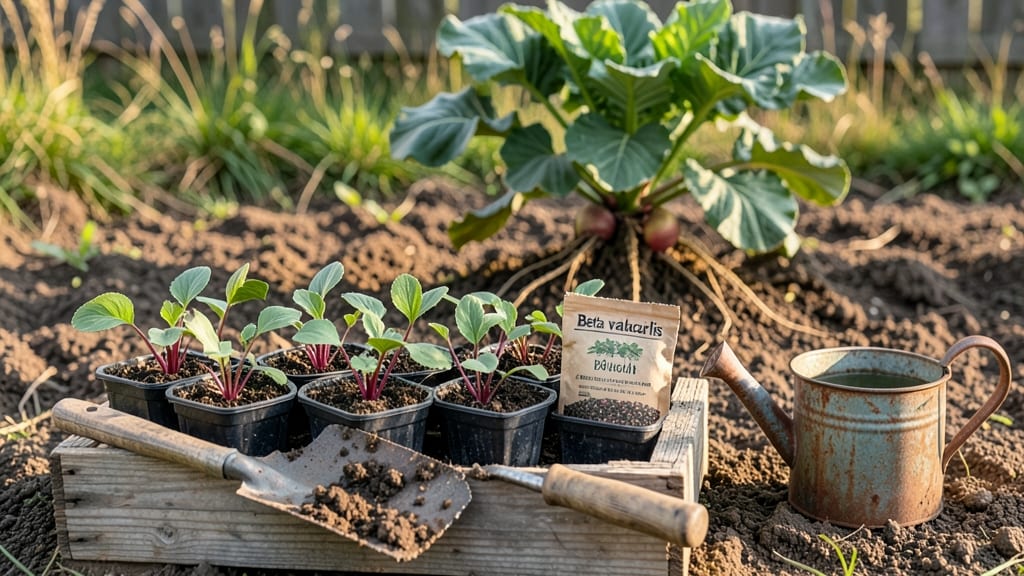
Planting beets in Zone 7b at the wrong time can turn your crisp, sweet 🍠 harvest into bitter disappointment—and no one wants that! The key to growing perfect beets lies in understanding your local frost dates and soil temperatures, which vary more than you might think.
Most gardeners in Zone 7b assume spring is the only window, but late summer plantings can actually extend your harvest into fall. I’ve learned the hard way that timing matters just as much as soil prep—skip the right window, and you’ll end up with bolting plants or tough roots.
In this guide, I’ll break down the exact planting windows for both spring and fall, including how to adjust for early vs. late varieties. You’ll discover how to avoid common mistakes that ruin beet crops and keep your harvest sweet and plentiful all season.
Whether you’re a first-time gardener or a seasoned pro, these tips will help you grow beets that rival the ones from the store—without the price tag. Let’s get started!
Optimal spring planting dates for beets in Zone 7B
Timing your beet planting in Zone 7B means balancing soil temperatures, frost dates, and variety selection to avoid bolting. The average last frost date for Zone 7B is around March 15, but soil needs to warm to at least 45°F for seeds to germinate properly.
Planting too early risks cold soil and slow germination, while waiting too long may trigger heat stress and premature flowering.
For early spring plantings, aim to sow seeds 4-6 weeks before your last frost date. In Zone 7B, this translates to mid-to-late February for cold-hardy varieties like Detroit Dark Red or Golden Beet.
These varieties tolerate cooler soils better than heat-sensitive types. Use row covers or cold frames if planting in early February to protect seedlings from unexpected frosts.
Soil temperature is critical—beet seeds won’t sprout below 45°F, and germination slows dramatically below 50°F. Use a soil thermometer to confirm readiness. If your soil is still chilly, opt for fast-germinating varieties like Babybeat or Chioggia, which mature quicker and reduce bolting risks.
Here’s a quick guide to spring planting windows in Zone 7B:
| Planting Window | Soil Temp Requirement | Best Varieties | Thinning Time |
|---|---|---|---|
| Early Spring (Feb 15 - Mar 15) | 45°F+ (use row covers) | Detroit Dark Red, Golden Beet | 3-4 weeks after germination |
| Late Spring (Mar 20 - Apr 15) | 50°F+ (ideal for germination) | Babybeat, Chioggia, Bull’s Blood | 2-3 weeks after germination |
| Early Summer (Apr 20 - May 10) | 55°F+ (avoid heat stress) | Lutz Winterkeeper (for fall harvest) | 3 weeks after germination |
Once seedlings emerge, thin them to 3-4 inches apart to prevent competition. Overcrowding leads to small, misshapen roots and increases disease risk. Use sharp scissors to snip unwanted seedlings at soil level—this reduces transplant shock compared to pulling.
Mulch with straw or shredded leaves to retain moisture and suppress weeds, which is especially important during Zone 7B’s dry spring months.
Watch for bolting signs like elongated stems and premature flowering, which happen when days get too long or temperatures spike. If this occurs, harvest the greens immediately—the roots may still be edible but will lose sweetness.
For a second spring crop, sow a final batch around May 1 using heat-tolerant varieties like Cylindra, which matures in just 50 days.
Consistent moisture is key—beets need 1 inch of water per week, but avoid overhead watering to prevent fungal diseases like leaf spot. Drip irrigation or soaker hoses work best.
In Zone 7B’s humid summers, water in the early morning to let foliage dry before evening. This simple habit can double your beet yield by reducing stress.
Plan to harvest your spring beets between May and June, when roots reach 1-3 inches in diameter. Larger roots become woody and lose sweetness. Use a fork or spade to loosen soil around the base before pulling—this prevents damage to the tender roots.
Store harvested beets in a cool, dark place (like a root cellar) for up to 2 weeks.
Pro tip: If your spring harvest wraps up by early summer, don’t despair—fall planting is your next chance to grow sweet, storage-friendly beets. The key is timing your second crop to mature before the first frost (around November 15 in Zone 7B). We’ll cover that in the next section!
Fall planting for beets: extending your harvest in Zone 7B
Fall planting lets you enjoy sweet, crisp beets well into winter—if you time it right. In Zone 7B, the key is to sow seeds 8-10 weeks before your first frost (around October 15 for most areas).
This gives beets enough time to mature before cold weather sets in, while avoiding the heat stress of late summer.
Start your first fall planting around mid-August for a harvest in October-November. For a second crop, try late September plantings, but choose fast-maturing varieties like 'Detroit Dark Red' or 'Babybeat' to ensure they’re ready before frost.
Just remember: beets planted too late may develop a woody core or bitter flavor.
To protect your fall beets from early frost, use row covers or straw mulch once temperatures dip below 40°F. These simple steps can extend your harvest by 2-4 weeks, giving you fresh beets long after spring plantings are done.
- 1. Sow seeds mid-August for an October harvest.
- 2. Choose fast varieties (50-55 days to maturity) for late September plantings.
- 3. Apply 2-3 inches of mulch in early October to insulate roots.
- 4. Harvest before hard frost (or store roots in sand for winter).
- 5. Avoid planting after September 20—roots may bolt or taste bitter.
For winter storage, harvest beets when roots are 1-2 inches wide and store them in a cool, dark place (like a root cellar) with sand or sawdust to prevent drying.
This method keeps beets fresh for 3-4 months, letting you enjoy homegrown harvests long after the garden is asleep.
Pro tip: If you miss the fall window, consider container growing—small pots can be moved indoors before frost, giving you a late-season harvest even in tight spaces. Just ensure they get at least 6 hours of sunlight daily to prevent leggy growth.
Fall beets are a gardener’s secret weapon for year-round harvests. With the right timing and a little protection, you’ll enjoy sweet, tender roots well into winter—proving that Zone 7B’s growing season doesn’t end with the first frost. 🍠