
Plants
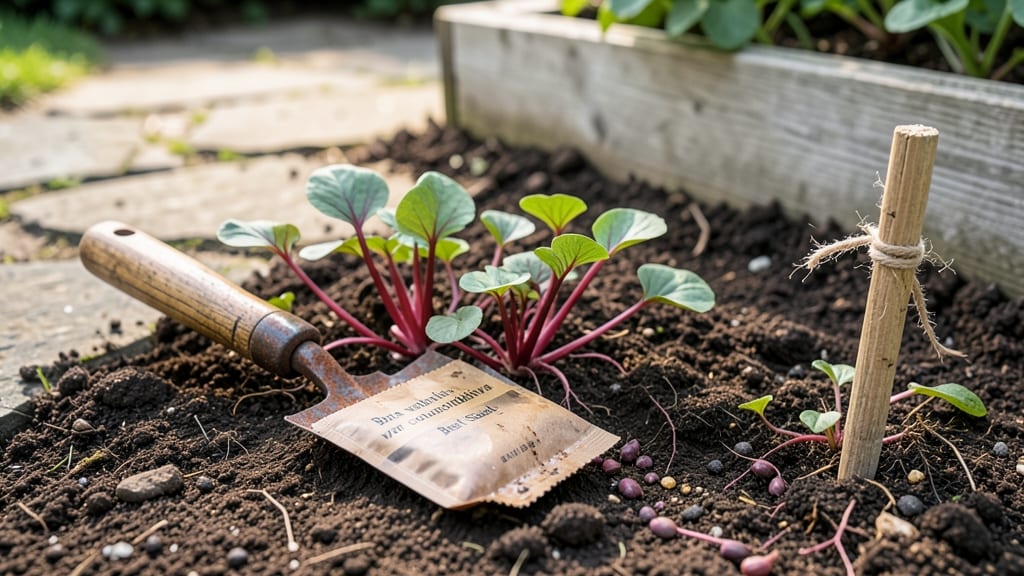
Planting fall beets in Zone 7 at the wrong time can turn your sweet harvest into tough, bitter roots—but getting the timing right is easier than you think.
The key is to sow your 🍠 seeds 4-6 weeks before your first frost date, which in most of Zone 7 falls between late August and early September. This window ensures your beets mature before winter sets in, giving you tender roots perfect for roasting or salads.
Why does this timing matter so much? Beets need 60-70 days to reach harvest size, and planting too late risks exposing them to early frosts that make them woody.
Meanwhile, sowing too early means they’ll bolt or go to seed before winter arrives. The sweet spot balances these factors, letting you enjoy fresh harvests straight through fall.
Direct sowing is your best bet—beets hate transplanting and thrive when seeds go straight into well-drained, loose soil. Once planted, keep the soil consistently moist (about 1 inch of water per week) and mulch lightly to protect young plants.
With these simple steps, you’ll avoid the most common mistakes and end up with a bounty of flavorful beets.
Whether you’re a seasoned gardener or just starting, mastering this timing will transform your fall harvest. Let’s break down the exact weeks to plant, plus tips for adjusting based on your local microclimate—so you can enjoy the sweetest, most tender beets Zone 7 has to offer.
Best planting windows for fall beets in Zone 7: weeks before frost
Timing your fall beet planting in Zone 7 hinges on two critical factors: your average first frost date (typically November 1) and the days to maturity of your chosen variety. Beets need 60-70 days to reach harvest size, so aim to plant 4-6 weeks before frost for tender roots.
In Zone 7, this usually means late July to early August for the first planting window.
For a second harvest before winter, you can try a late-summer planting around mid-August. This gives beets just enough time to mature before temperatures drop. However, early-frost years may require adjusting your timeline or choosing faster-maturing varieties (like ‘Babybeat’, which matures in 50 days).
Here’s the key: Soil temperature matters just as much as air temperature. Beets thrive when soil stays above 45°F. In Zone 7, soil temperatures begin cooling in late September, so avoid planting after this point unless you’re using row covers to extend the season.
Pro tip: Use your local frost date calculator (like the Old Farmer’s Almanac) to pinpoint your exact window. For most of Zone 7, August 1-15 is the sweet spot for peak flavor and yield.
🌱
Zone 7 Fall Beet Planting Timeline
| Planting Window | Weeks Before Frost | Days to Maturity | Best Varieties |
|---|---|---|---|
| Late July | 8-10 weeks | 60-70 days | Detroit Dark Red, Golden |
| Early August | 6-8 weeks | 55-65 days | Babybeat, Chioggia |
| Mid-August | 4-6 weeks | 50-60 days | Early Wonder, Touchstone |
If you’re planting for a late-fall harvest, focus on fast-maturing varieties like ‘Early Wonder’ (50 days) or ‘Touchstone Gold’ (55 days). These can be sown as late as mid-August in Zone 7, giving you a small but sweet harvest before hard frosts set in.
Just be prepared to harvest before leaves yellow—cold snaps can accelerate bolting.
For maximum yield, space your plantings 2 weeks apart in July and August. This staggered approach ensures a continuous harvest from late September through October, when beets are at their sweetest after soaking up cool fall temperatures.
One common mistake? Planting too late and ending up with woody, bitter roots. This happens when beets experience temperature fluctuations or cold nights before maturing. To avoid this, monitor soil temps and prioritize consistent moisture—dry spells in fall can stress plants and stunt growth.
💧
Finally, don’t overlook succession planting. Even if your first batch bolts or your second planting gets nipped by frost, a third, smaller batch of fast varieties sown in early September might still produce tender baby beets before winter. Just cover them with row fabric if frost threatens!
With these planting windows and variety choices, you’ll be well on your way to a bountiful fall beet harvest in Zone 7—no tough, woody roots in sight!
Best planting windows for fall beets in Zone 7: weeks before frost
In Zone 7, fall beets thrive when planted 4-6 weeks before your first frost date, which typically lands between late August and mid-September. This timing ensures roots mature before winter hardens the soil, delivering sweet, tender beets instead of woody or bitter ones.
For example, if your first frost arrives on November 1, aim to plant seeds by September 15.
Beets need 60-70 days to reach harvest size, so late plantings risk stunted growth. Start with early September sowings for a full-season harvest, then follow up with mid-to-late September plantings for a staggered yield. In Zone 7a (cooler microclimates), push planting to early September to avoid early frosts.
🌱 Fall Beet Planting Timeline for Zone 7
| Planting Window | Weeks Before Frost | Soil Temp Threshold | Harvest Window |
|---|---|---|---|
| Early Fall (Late Aug) | 6-8 weeks | 50-60°F | October-December |
| Mid Fall (Early Sep) | 4-6 weeks | 55-65°F | November-January |
| Late Fall (Mid-Late Sep) | 2-4 weeks | 60-70°F | December-February |
*Adjust for local frost dates—check Almanac frost maps for precision.
For direct sowing (recommended for beets), wait until soil temperatures drop below 80°F to prevent bolting. Test soil with a thermometer—ideal temps are 50-65°F. If your soil stays warm past September, opt for shade cloth or drip irrigation to cool roots.
Pro tip: Sow seeds in succession every 2 weeks after your initial planting. This spreads out harvests and reduces pressure on your garden space.
For example, plant a batch on September 1, another on September 15, and a final one on September 30 for a 3-month harvest window.
After planting, maintain consistent moisture—beets are 87% water and wilt quickly in dry soil. Mulch with straw or leaves to retain moisture and protect roots from temperature swings. Avoid over-fertilizing in late fall, as excess nitrogen promotes leafy growth over root development.
Remember: Zone 7’s fall weather can be unpredictable. If unseasonable warmth lingers, extend your harvest by covering rows with frost blankets or planting cold-hardy varieties like ‘Winter Keeper’ beets, which tolerate light frosts.