
Flowers
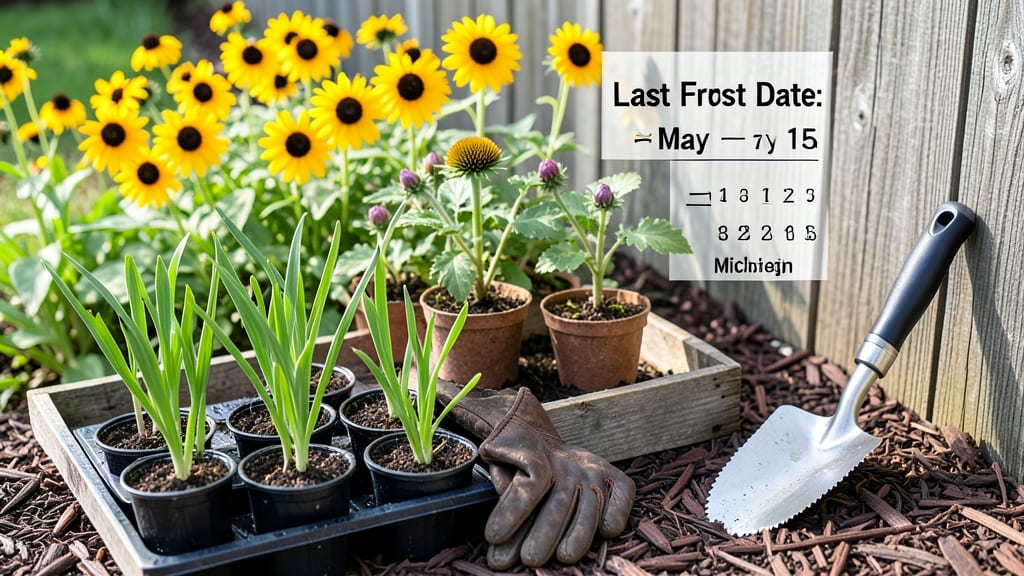
Michigan’s last frost dates by USDA Zone: when to plant flowers safely
Michigan spans USDA Zones 4a to 6b, meaning frost dates vary dramatically from the Upper Peninsula to southeastern Michigan. The average last frost typically arrives between mid-April and early May, but these dates shift based on elevation and proximity to the Great Lakes.
For example, Detroit (Zone 6a) usually sees its last frost by April 25th, while Marquette (Zone 4b) often waits until May 15th.
Annual flowers like marigolds and petunias need consistent warmth to thrive, so planting before the last frost risks frost damage. Perennials like coneflowers and black-eyed Susans, however, can handle cooler soil and may even benefit from an early start in Zone 5-6 areas.
The key is aligning your planting with your specific zone’s frost-free window.
🌱
| Zone | Avg. Last Frost | Safe Planting Window | Best Flowers for Zone |
|---|---|---|---|
| 4a (Upper Peninsula) | May 10–20 | Late May to early June | Lupines, Delphiniums, Hardy Geraniums |
| 4b (Northern Lower) | May 1–10 | Mid-May to late May | Peonies, Shasta Daisies, Columbines |
| 5a (Central) | April 25–May 5 | Early May to mid-May | Coneflowers, Black-Eyed Susans, Lavender |
| 5b (Southern) | April 15–25 | Late April to early May | Daylilies, Bee Balm, Coreopsis |
| 6a (Southeast) | April 10–20 | Early to mid-April (hardy perennials) or late April (annuals) | Roses, Dahlias, Petunias, Marigolds |
| 6b (Thumb Region) | April 5–15 | Late March to early April (hardy perennials) or mid-April (annuals) | Tulips, Hyacinths, Snapdragons, Zinnias |
In Zone 6a and 6b, where springs arrive earliest, you can start planting hardy annuals like zinnias and cosmos as early as mid-April, but always check a local frost forecast—late frosts in April aren’t uncommon.
For Zone 4a, where winters linger, focus on cold-hardy perennials like lupines and delphiniums, which can handle cooler soil temperatures.
Pro tip: Use Michigan State University’s Michigan Weather and Climate resources or local Cooperative Extension offices for hyper-local frost alerts. These tools provide real-time updates that can shift your planting window by 1–2 weeks depending on weather patterns.
For example, 2023’s late frost in May caught many Zone 5b gardeners off guard, delaying annual plantings until June 1st.
If you’re eager to extend your blooming season, consider fall planting for hardy annuals like pansies and snapdragons. These can tolerate light frosts and often bloom earlier in spring than traditional spring plantings.
Just aim to plant 6–8 weeks before your first frost, typically late August to early September.
For container gardening, which warms up faster than in-ground soil, you can plant annuals 2–3 weeks earlier than the recommended dates. Place pots in sunny, sheltered spots and use black plastic mulch to accelerate soil warming.
This trick works especially well for heat-loving flowers like geraniums and salvias.
Remember, soil temperature matters more than air temperature. Use a soil thermometer to confirm 50°F (10°C) for most annuals before planting. Cool-season crops like pansies can handle 40°F (4°C) soil, but tender annuals like begonias need at least 60°F (15°C) to thrive.
🌿
Best flowers to plant by Michigan’s frost timeline: hardiness & heat tolerance guide
Not all flowers thrive in Michigan’s unpredictable frost windows. Cold-hardy perennials like coneflowers and black-eyed Susans can handle Zone 4a’s late frosts, while tender annuals like begonias need soil temperatures above 60°F to survive.
Matching your flowers to your zone’s frost timeline ensures vibrant blooms without wasted effort or lost plants.
For early spring planting (after last frost but before June 1st), prioritize fast-growing annuals that tolerate cool soil. Pansies and snapdragons are excellent choices—they bloom in 4–6 weeks and can handle light frosts down to 28°F (-2°C).
In Zone 6a/b, you can even direct-sow marigolds by mid-April for early pest control and color.
🌸
Cold-Hardy vs. Tender Flowers
Cold-Hardy Flowers
- ✅ Survive Zone 4a frosts
- ✅ Plant 2–4 weeks earlier than tender varieties
- ✅ Perennial options return yearly
- ✅ Include: Coneflowers, Peonies, Lavender, Lupines
Cold-Hardy Challenges
- ❌ Slower to establish in cool soil
- ❌ Some perennials need winter mulch
- ❌ Limited tropical varieties (e.g., no hibiscus)
Tender Annuals
- ✅ Vibrant summer colors (e.g., geraniums, zinnias)
- ✅ Fast blooms in 6–8 weeks
- ✅ Ideal for containers (warms faster)
- ✅ Include: Petunias, Marigolds, Salvias
Tender Challenges
- ❌ Frost-sensitive (die at 32°F/0°C)
- ❌ Need soil >60°F to thrive
- ❌ Require row covers for late frosts
If you’re in Zone 5b or warmer, late-summer heat can stress cool-season flowers. Swap in heat-tolerant varieties like zinnias or cosmos after July 4th for continuous blooms. These thrive in 80°F+ soil and dry conditions, making them perfect for July–September plantings.
For fall planting (aim for 6–8 weeks before first frost), choose frost-resistant annuals like pansies or stock. These handle 20°F (-7°C) temps and often rebloom in spring. In Zone 4a, limit fall plantings to hardy perennials like aster or sedum, which establish roots before winter.
Pro tip: Use Michigan State University’s flower hardiness charts to cross-reference USDA Zone with flower tolerance levels. For example, coreopsis (Zone 4–9) is a safe bet for all Michigan regions, while begonias (Zone 10–12) require container growing or indoor overwintering.
🌿