
How To
Prayer plant light requirements: the ideal balance for variegated leaves
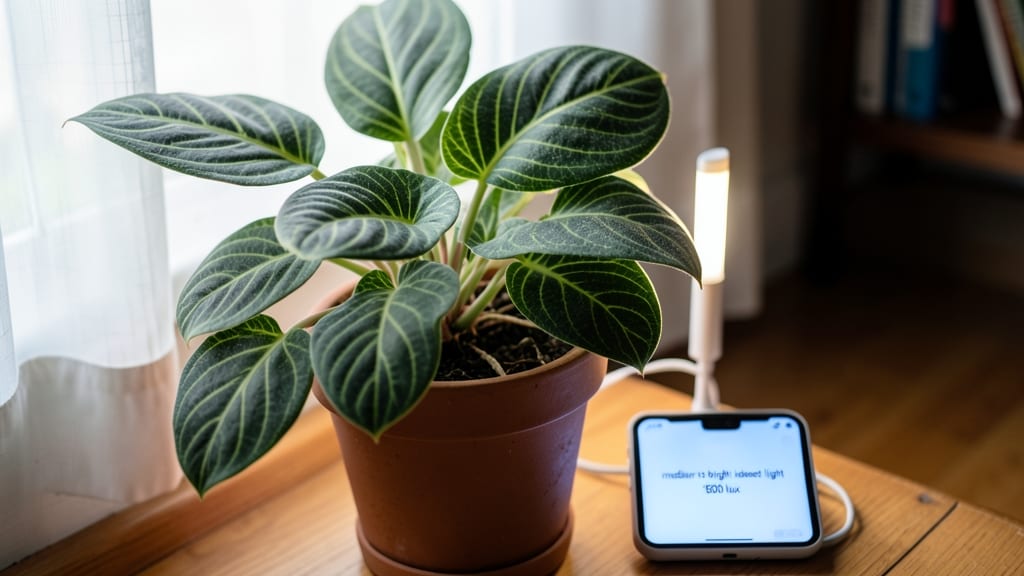
If your prayer plant (Maranta leuconeura) is losing its stunning variegation or developing dull leaves, light exposure is likely the culprit. These tropical beauties thrive in bright indirect light, but finding that sweet spot can feel tricky—especially when balancing their need for shade with their love of gentle sunlight.
The key lies in understanding how variegation intensity directly correlates with light levels, and how to adjust placement as seasons change.
Too little light causes deep green leaves to dominate, while too much direct sun can scorch those delicate white or pink variegated patterns. As someone who’s nursed several prayer plants back to health, I’ve learned the hard way that seasonal adjustments are just as critical as initial placement.
Let’s break down the exact light conditions your plant craves to keep those leaves vibrant year-round.
🌿 Quick Tip: Prayer plants naturally fold their leaves upward at night (hence the name), but if they’re struggling to unfurl in the morning, it’s often a sign of insufficient light during the day.
| Light Condition | Ideal Hours/Day | Variegation Effect | Signs of Stress |
|---|---|---|---|
| Bright Indirect Light | 4-6 hours | Vibrant variegation | None (optimal) |
| Low Light | <3 hours | Dull, green-dominant | Slow growth, leggy stems |
| Direct Sunlight | >6 hours | Faded, bleached | Brown crispy edges |
| Filtered Morning Sun | 2-4 hours | Moderate variegation | None (safe for beginners) |
For indoor prayer plants, the best spot is typically 2-3 feet from an east-facing window, where they’ll receive gentle morning sunlight without harsh afternoon rays.
If your home only has south-facing windows, place the plant slightly back from the glass and use a sheer curtain to diffuse the light. I’ve found that rotating the pot every few weeks encourages even growth, especially if one side starts leaning toward the light.
Outdoor placement requires even more caution. While prayer plants can tolerate outdoor conditions in USDA Zone 10+, they must be shielded from direct afternoon sun. A dappled shade spot under a tree or a 50% shade cloth works perfectly.
In warmer months, I move mine to a covered patio where they get morning sun and afternoon shade—this mimics their natural tropical habitat.
Watch your prayer plant’s leaves for these light-related clues: Deep green leaves with minimal variegation mean it’s not getting enough light, while yellow or brown patches indicate too much direct sun.
The variegated patterns (white, pink, or burgundy) will intensify in brighter indirect light, so if you’re loving those colors, aim for the brightest indirect spot your home offers.
Seasonal changes can disrupt even the best light routines. During winter months, when natural light is scarce, supplement with a grow light placed 12-18 inches above the plant for 12-14 hours daily.
I use a simple LED grow bulb on a timer, and it makes a world of difference in maintaining variegation. Conversely, in summer’s intense light, move your plant to a cooler, shadier spot to prevent heat stress.
Pro tip: If your prayer plant’s variegation is fading, try this two-week light test. Move it to a brighter indirect spot (like near a north or east window) and observe.
If the variegation brightens within 10 days, you’ve found the sweet spot. If not, gradually increase the light exposure by 1 hour per day until you see improvement.
Remember, prayer plants are forgiving—they’ll survive in low light, but they’ll only truly thrive when given the right balance. The goal is to keep those leaves vibrant and variegated, not just alive. With these adjustments, your Mar
How to adjust light for different prayer plant variegation patterns
Not all prayer plant variegation is created equal—and neither are their light needs. The deep burgundy leaves of 'Black Prayer Plant' (Maranta leuconeura 'Kerchoviana') crave slightly more light than the soft pink-and-white patterns of 'White Prayer Plant' (Maranta leuconeura 'Leuconeura').
Understanding these differences is the key to unlocking the boldest variegation your plant can produce. For example, if your variegated patterns appear dull or muted, it’s often a sign the plant isn’t getting enough bright indirect light to trigger those stunning colors.
Let’s start with the most common variegation types and their ideal light conditions. For white or pink variegation (like 'White Prayer Plant'), aim for 4-5 hours of bright indirect light daily. These patterns need just enough light to enhance contrast without scorching.
On the other hand, deep green varieties (like 'Green Prayer Plant') tolerate 3-4 hours of light and can even handle slightly dimmer corners—though their variegation will remain subtle.
The trick is to observe: if the white or pink areas start looking washed out, move the plant closer to the light source.
🌱 Pro Tip: If your prayer plant’s variegated leaves are turning all green, it’s a clear sign the plant isn’t receiving enough light to maintain the chlorophyll balance needed for those striking patterns. In this case, gradually increase light exposure by 1 hour per week to avoid shocking the plant.
- 1. White/Pink Variegation: Needs 4-5 hours of bright indirect light to maintain bold contrast. Place near an east-facing window or under grow lights for 12-14 hours/day in winter.
- 2. Deep Burgundy Variegation: Thrives in 5-6 hours of light to deepen color intensity. Ideal for south-facing windows with sheer curtains to filter harsh rays.
- 3. Green-Dominant Leaves: Tolerates 3-4 hours of light but won’t develop variegation. Perfect for low-light offices or north-facing rooms.
- 4. Fading Variegation: Move to a brighter spot and supplement with a grow light if natural light is insufficient. Observe for 2 weeks to see improvement.
- 5. Bleached or Yellow Leaves: Immediate shade adjustment needed. Relocate to indirect light or dappled shade outdoors to prevent sunburn.
For DIY light adjustments, grow lights are your best friend—especially in winter or cloudy months. A full-spectrum LED grow bulb placed 12-18 inches above your prayer plant for 12-14 hours daily mimics natural sunlight and keeps variegation vibrant.
I recommend a 20-30 watt bulb for small pots, and always position it so the light doesn’t shine directly onto leaves (use a reflector or diffuser if needed).
If you notice leaves stretching toward the light, it’s a sign the plant needs more even exposure—rotate the pot quarter-turns weekly to encourage balanced growth.
Outdoor enthusiasts can get creative with shade solutions. A 50% shade cloth stretched over a patio or balcony creates the perfect filtered light environment for prayer plants.
In USDA Zone 10+, I’ve even seen them thrive under mature trees with dappled shade, where they receive morning sun and afternoon shade. The key is to avoid hot afternoon sunlight, which can cause leaf scorch and dull variegation.
If you’re unsure about outdoor conditions, start with 2-3 hours of morning sun and monitor the leaves for stress signs like yellowing or crispy edges.
Seasonal transitions can throw off even the best light routines. When spring arrives and daylight hours increase, gradually acclimate your prayer plant to brighter conditions over 1-2 weeks. Conversely, as fall approaches, reduce light exposure slowly to prevent shock.
A simple trick is to move the plant 6-12 inches farther from the window every 5-7 days during these transitions. This gentle adjustment helps the plant adapt without losing its variegated beauty.
Remember, the goal isn’t just survival—it’s show-stopping variegation. By tailoring light exposure to your plant’s specific patterns and observing its leaf signals, you’ll unlock the most stunning colors possible.
Start with these adjustments, and soon your prayer plant will be the star of your collection—not just another houseplant.