
Plants
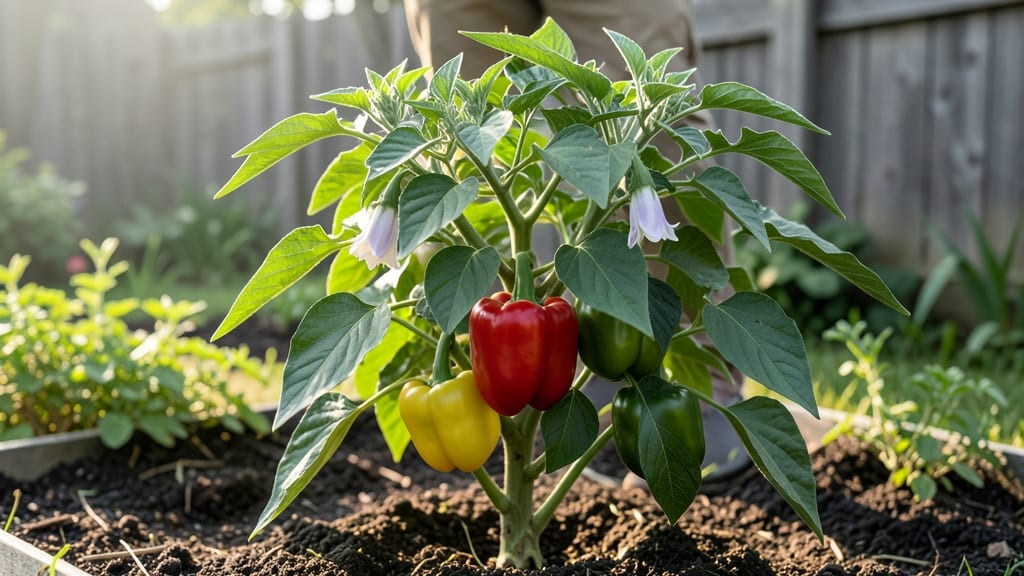
If you’ve ever wondered how tall a bell pepper plant can grow, you’re not alone. The height of these plants can vary dramatically depending on the variety, and getting it right means the difference between a thriving harvest and one that struggles for support.
Some varieties stay compact and manageable, while others grow tall enough to need staking or cages—so knowing what to expect is key.
Most standard bell pepper plants typically grow between 2 to 4 feet tall, but this can shift depending on whether you’re growing dwarf, semi-dwarf, or indeterminate varieties.
For example, compact types like the ‘Snackable’ pepper might only reach 1 to 2 feet, while larger varieties like ‘California Wonder’ can stretch up to 4 feet or more. Understanding these differences helps you plan your garden layout and decide whether to invest in support structures early on.
Beyond variety, factors like sunlight exposure, pruning habits, and even the container size you choose can influence how tall your bell peppers grow. Too little sunlight might stunt their growth, while aggressive pruning can encourage bushier, shorter plants.
If you’re working with limited space, there are ways to control height naturally—so you don’t have to sacrifice yield for a compact garden.
In this guide, I’ll break down the height ranges for common bell pepper varieties, share tips for providing support when needed, and explain how to optimize your growing conditions for the best results.
Whether you’re a beginner or a seasoned gardener, knowing how tall your bell peppers will grow is the first step to a bountiful harvest.


Bell pepper plant heights by variety: tall vs compact growers
Bell pepper plants vary dramatically in height, from compact dwarf varieties that stay under 2 feet to towering indeterminate types reaching 4 feet or more. Knowing your plant’s mature height helps you plan spacing, trellising, and even container sizes.
Let’s break down the most common types and their space requirements to maximize your harvest.
Most gardeners start with standard bell pepper varieties like California Wonder, which typically grow 3 to 4 feet tall and produce abundant fruit. These plants benefit from support early in their growth cycle to prevent sprawling.
Meanwhile, bush-type varieties like Early Prolific stay shorter (18–24 inches) but may yield fewer peppers per plant.
Dwarf or mini bell peppers, such as Snackable or Mini Bell, rarely exceed 1.5 to 2 feet in height. These are perfect for container gardening or small-space gardens, but they often require more frequent harvesting to encourage continuous production.
Here’s a quick reference for bell pepper plant heights by variety, including their growth habits and ideal spacing:
| Variety | Height Range | Growth Habit | Spacing Needs |
|---|---|---|---|
| California Wonder | 3–4 ft | Indeterminate | 18–24" apart |
| Jalapeño (standard) | 2–3 ft | Determinate | 12–18" apart |
| Banana Pepper | 1.5–2.5 ft | Bush | 12" apart |
| Snackable (mini) | 1–1.5 ft | Compact | 6–12" apart |
| Early Prolific | 2–3 ft | Determinate | 12–18" apart |
If you’re growing indeterminate varieties like California Wonder, expect them to keep growing throughout the season, sometimes reaching 4 feet or taller with proper care. These plants produce peppers continuously, but their height means they’ll need sturdy support structures to prevent stems from snapping under the weight of fruit.
For container gardening, choose dwarf or bush varieties to save space. A 5-gallon pot can comfortably hold a mini bell pepper like Snackable, while larger containers (10+ gallons) are ideal for standard types. Just ensure containers have drainage holes to prevent root rot.
Height also impacts yield potential. Taller, indeterminate plants produce more peppers over time, but they require more maintenance. Shorter varieties may yield fewer peppers per plant but are easier to manage in small gardens or urban settings.
Pro tip: If you’re short on space, consider pruning techniques to control height. Pinching back the top growth can redirect energy to fruit production, keeping plants more compact while still yielding well.
🌱
Bell pepper plant heights by variety: tall vs compact growers
When planning your bell pepper garden, knowing the height range of different varieties helps you decide between compact growers and tall climbers. Most bell peppers fall between 1 to 4 feet tall, but some varieties can exceed this—especially if left unsupported.
For example, the popular California Wonder variety often reaches 3 to 4 feet, while dwarf types like Snackable stay under 2 feet. Understanding these differences ensures you allocate the right space and support for each plant.
Taller varieties typically produce more peppers but require sturdy cages or stakes to prevent sprawling. Compact varieties, on the other hand, are ideal for small gardens or containers and need less maintenance.
Below, I’ve outlined the height ranges for some of the most common bell pepper varieties to help you choose the best fit for your garden layout.
| Variety | Height Range | Growth Habit | Best For |
|---|---|---|---|
| California Wonder | 3–4 ft | Indeterminate (tall, sprawling) | Large gardens, cages, or stakes |
| Jalapeño | 2–3 ft | Semi-dwarf (bushy) | Containers, small spaces, or in-ground |
| Banana Pepper | 1–2 ft | Dwarf (compact) | Window boxes, hanging baskets |
| Snackable | 1–2 ft | Dwarf (bushy) | Small gardens, urban spaces |
| Carolina Wonder | 2–3 ft | Semi-dwarf (bushy) | In-ground or large containers |
If you’re growing indeterminate varieties like California Wonder, expect them to keep growing taller throughout the season. These plants can even reach 4 to 5 feet if given enough space and support.
On the other hand, determinate varieties like Banana Pepper stop growing once they start producing fruit, making them perfect for small-space gardening. Always check the seed packet or plant tag for specific height expectations, as some hybrid varieties may surprise you with their growth habits.
Another factor to consider is how height impacts yield and airflow. Taller plants may produce more peppers, but they also require better airflow to prevent diseases like powdery mildew. If you’re growing in a crowded garden, prune taller varieties to encourage bushier growth and improve air circulation.
For compact varieties, focus on proper spacing—typically 12 to 18 inches apart—to give each plant room to thrive without competing for nutrients.
For container gardening, choose dwarf or semi-dwarf varieties to avoid overcrowding. A 5-gallon pot can comfortably support a compact bell pepper like Snackable, while taller varieties may need 10-gallon containers or larger to accommodate their root systems.
Always ensure your container has drainage holes to prevent waterlogging, which can stunt growth or even kill your plants.
Finally, keep in mind that height isn’t the only factor—some varieties also differ in fruit size and color. For example, California Wonder produces large, blocky peppers, while Snackable yields smaller, snack-sized peppers perfect for quick bites.
Match your variety to your gardening goals, whether that’s maximizing yield, saving space, or simply enjoying a mix of colors in your harvest.