
Plants
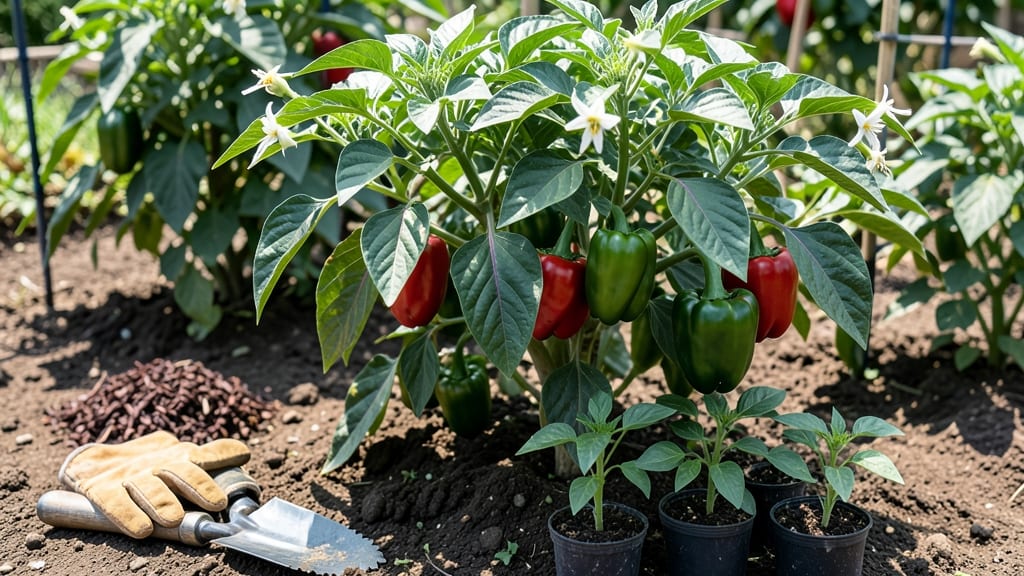
Timing your 🌶️ bell pepper planting in North Carolina can make or break your harvest—especially when late frosts lurk around every corner.
Whether you're in the Piedmont's rolling hills or the Coastal Plain's milder climate, getting those seedlings in the ground at the right moment ensures your plants thrive instead of shrivel.
Most gardeners in NC's 6b-8a zones wait until after the last frost—typically between April 15 and May 31—but the exact date depends on your microclimate.
Plant too early, and a surprise frost could wipe out your crop; too late, and your peppers might never mature before fall's chill sets in.
I’ve grown bell peppers across NC’s diverse regions, and the key to success isn’t just waiting for warm soil—it’s understanding how your specific zone plays into the equation. From soil temperature tricks to choosing fast-maturing varieties, I’ll break down everything you need to know to time your planting perfectly.
Ready to avoid the common mistakes that leave NC gardeners frustrated? Let’s dive into the exact dates, tools, and strategies that’ll help you grow a garden full of vibrant, homegrown peppers—no frost-related disasters included.
NC growing zones & exact planting dates for bell peppers (2024 guide)
North Carolina’s diverse climate—from the Coastal Plain to the Mountains—means your bell pepper planting window varies by USDA Zone. In Zone 7a (western NC), you can plant as early as April 15, while Zone 8b (eastern NC) gardeners wait until May 1 to avoid late frosts.
The key? Wait until soil temperatures hit 60°F and nighttime temps stay above 55°F.
For seedlings, transplant after your area’s average last frost date. In Raleigh (Zone 7b), that’s April 15; in Charlotte (Zone 7a), it’s April 1.
Coastal areas like Wilmington (Zone 8a) can plant as late as May 10. Always check your local extension office for precise dates—NC’s microclimates create big differences!
If you’re starting seeds indoors, begin 8-10 weeks before your last frost. Use grow lights to simulate long daylight hours—bell peppers need 12+ hours of light daily to thrive. Harden off seedlings for 1 week before transplanting to toughen them up against NC’s humidity and heat.
Fall planting is possible in NC’s warmer zones (7b-8b). Sow seeds 85-90 days before your first frost (typically mid-October in the Piedmont). For example, in Greensboro (Zone 7a), aim for late July to harvest before winter sets in.
Use black plastic mulch to warm soil and extend the season.
Pro tip: Use heat-tolerant varieties like ‘Carolina Wonder’ or ‘Jupiter’ for NC’s summer heat. These handle 90°F+ temps better than standard types. Pair them with drip irrigation to keep roots cool and consistent.
| NC Zone | Last Frost Date | Spring Planting Window | Fall Planting Window | Soil Temp Requirement |
|---|---|---|---|---|
| 7a (Mountains) | April 1 | April 15–May 1 | July 15–Aug 1 | 60°F+ |
| 7b (Piedmont) | April 15 | April 20–May 10 | July 20–Aug 10 | 60°F+ |
| 8a (Coastal Plain) | March 20 | April 25–May 15 | Aug 1–Aug 20 | 60°F+ |
| 8b (Outer Banks) | March 1 | May 1–May 10 | Aug 15–Sept 1 | 60°F+ |
*Dates based on 30-year averages; check local forecasts for adjustments.
For container gardening, plant seedlings in 5-gallon pots and place them outdoors after last frost. Containers heat up faster—water daily and use lightweight potting mix to prevent root stress. In NC’s humid summers, elevate pots to improve airflow and reduce fungal diseases like powdery mildew.
Monitor your plants for blossom end rot, a common issue in NC’s fluctuating rainfall. This calcium deficiency appears as dark spots on peppers. Fix it by adding
How to extend your bell pepper season in NC (proven tips)
North Carolina’s growing season is short enough that even a few extra weeks can mean the difference between a handful of peppers and a full harvest. The trick? Extending your season using simple but effective techniques like row covers and succession planting.
I’ve used these methods in my own garden to push harvests from early July into October—here’s how you can too.
One of the easiest ways to start earlier is by using row covers or cold frames to protect seedlings from late frosts. These tools create a microclimate that’s 5-10°F warmer, letting you plant 3-4 weeks earlier than the typical April 15 deadline.
Just be sure to remove covers during the day once temperatures rise above 75°F to prevent overheating.
For gardeners in NC’s Coastal Plain (Zone 8a), where winters are milder, you can even try a fall planting of fast-maturing varieties like ‘Early California Wonder’ or ‘Sweet Banana.’ These peppers mature in just 60-70 days, giving you a second harvest before the first frost in mid-November.
Pros & Cons of Extending Your Bell Pepper Season
Row Covers
- Pros: Warms soil, protects from frost, extends season by 3-4 weeks
- Cons: Requires removal on hot days, can trap humidity
Succession Planting
- Pros: Continuous harvest, maximizes space, reduces pest buildup
- Cons: Requires frequent seed starts, needs consistent watering
Cold Frames
- Pros: Year-round protection, extends season by 6-8 weeks
- Cons: Expensive setup, requires ventilation on warm days
Another game-changer is choosing fast-maturing varieties like ‘Jupiter’ (60 days) or ‘Aristotle’ (65 days). These peppers are bred to thrive in NC’s shorter growing season, giving you a head start over slower varieties that might not ripen before fall.
For a double harvest, plant half your seeds in early April and the other half in late June.
Don’t overlook mulching either—it keeps soil temperatures stable and retains moisture, which is crucial during NC’s unpredictable spring showers. I use a 2-3 inch layer of straw around my pepper plants, and it’s made a noticeable difference in both yield and plant health.
Finally, watch for heat waves in late summer. Bell peppers can struggle when temperatures exceed 90°F, so provide afternoon shade with a lightweight shade cloth if needed. With these tips, you’ll turn NC’s short season into a pepper-growing powerhouse.