
Plants
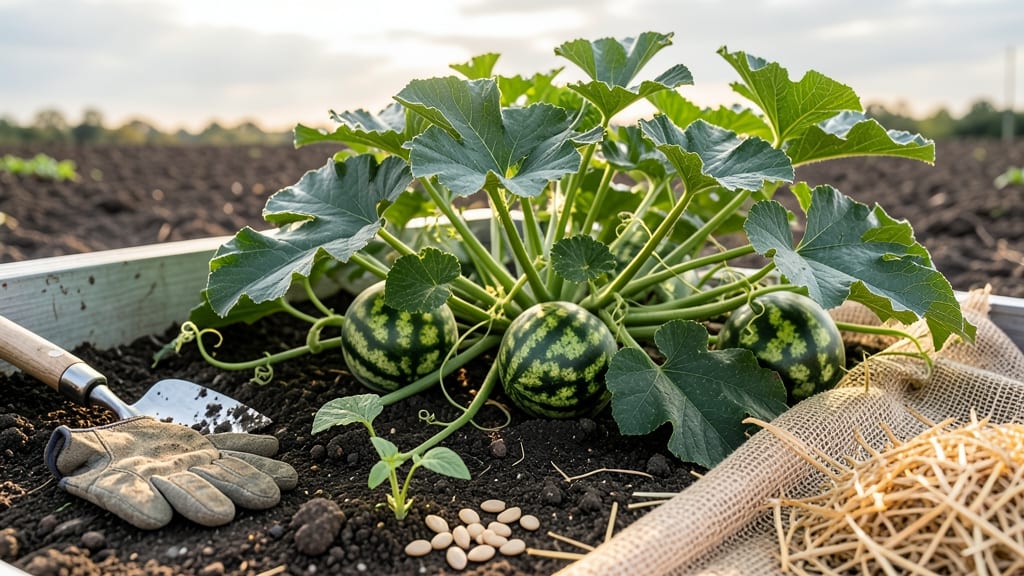
Planting watermelon in North Carolina isn’t just about checking the calendar—it’s about waiting for the soil to hit that sweet spot between 75°F and 90°F, where seeds finally spring to life.
Too early, and your melons will languish; too late, and summer’s heat might rush past their 75-day window to maturity. The difference between a thriving vine and a failed crop often comes down to timing.
I’ve learned the hard way that North Carolina’s diverse climate—from the humid Coastal Plain to the cooler Mountains—means no single date works for everyone. Whether you’re in Raleigh, Charlotte, or Asheville, the key is monitoring soil temperature, not just flipping a calendar page.
Let me show you exactly when to plant for your specific corner of the state.
You’ll discover how to test your soil temperature at home with simple tools, plus the best varieties for your region. We’ll also cover how to extend the growing season if you’re in a cooler area, so you can enjoy homegrown watermelons no matter where you live in NC.
Ready to grow melons that rival the ones at the farmers’ market? The secret starts with the right timing—and I’ll walk you through every step to make it happen.
North Carolina watermelon planting timeline by soil temperature (not just dates)
North Carolina’s diverse climate—from the humid Coastal Plain to the cooler Mountain regions—means watermelon planting dates vary wildly. While most gardeners default to calendar months, the real magic happens when your soil hits 75–90°F.
That’s when seeds germinate reliably, not before. Ignore this rule, and you’ll waste seeds on cold soil or rush vines that can’t handle summer heat.
Let’s break it down by region. The Coastal Plain (e.g., Wilmington, Fayetteville) warms earliest, often by mid-April for early varieties. Meanwhile, the Mountains (Asheville, Boone) may wait until late May or June.
Piedmont areas (Raleigh, Greensboro) typically land in between, around early to mid-May. But here’s the catch: these are guidelines, not gospel. Always test your soil first.
🌱Pro Tip: Use a soil thermometer (just $10 at garden centers) to check depth. Watermelon seeds need 1–2 inches deep warmth. If your reading’s below 70°F, wait. Patience here prevents seed rot and ensures strong starts.
🌱 North Carolina Watermelon Planting by Region & Soil Temp
| Region | Optimal Soil Temp | Planting Window | Key Varieties |
|---|---|---|---|
| Coastal Plain | 75–85°F | Mid-April to early May | ‘Sugar Baby’, ‘Crimson Sweet’ |
| Piedmont | 80–90°F | Early to mid-May | ‘Charleston Gray’, ‘Jubilee’ |
| Mountains | 85–90°F | Late May to June | ‘Black Diamond’, ‘Moon & Star’ |
💡 Note: Coastal areas can plant earlier but risk heat stress if summer arrives early. Mountain regions benefit from longer growing seasons but need heat-loving varieties.
If you’re eager to start early, consider starter plants from local nurseries. These skip the soil-temperature gamble but cost more. For seeds, aim to plant when your region’s average last frost is 30+ days behind—watermelons need 75–90 days to mature.
Pro tip: Black plastic mulch warms soil 5–10°F faster than bare earth, letting you plant 2–3 weeks earlier.
🌡️ Watch Out: Soil temps can swing wildly in NC’s spring. A 50°F night after planting can stall germination. Use row covers or plant in raised beds for faster warming.
And if you’re in the Sandhills region (e.g., Fayetteville), sandy soil heats up quicker but drains faster—mulch heavily to retain moisture.
For container growing, soil warms even faster. Place pots on black plastic trays or use self-heating seed mats (available at garden centers). Just ensure containers are at least 12 inches deep—watermelon roots need room to stretch.
📅 Countdown Tip: Set a reminder for 2 weeks before your region’s average last frost. Start testing soil temps daily. Once it hits 75°F for 3 consecutive days, it’s go time.
And if you’re in Zone 7b or warmer (most of NC), you can even try a fall planting for late-season harvests!
🌿 Local Resource: Check NC State Extension’s Frost Free Date Map for your county. It’s free and updates annually. Pair that with a soil thermometer, and you’ll never guess again—just grow.
3 Critical factors that determine your exact planting window in NC
North Carolina’s diverse climate means your watermelon planting window depends on more than just soil temperature. The last spring frost date, your county’s microclimate, and the heat tolerance of your chosen variety all play crucial roles.
For example, ‘Crimson Sweet’ thrives in hot summers, while ‘Sugar Baby’ matures faster in shorter seasons. Ignoring these factors can mean the difference between a bountiful harvest and wasted seeds.
First, check your county’s average last frost date, which varies dramatically—from early March in the Coastal Plain to late May in the Mountains. Planting too soon risks frost damage, while waiting too long may cut your growing season short.
Next, consider your variety’s days to maturity. A 75-day variety like ‘Sugar Baby’ needs an earlier start than an 85-day heirloom. Finally, account for heat tolerance: some varieties wilt in extreme heat, while others flourish.
- 1. Last Spring Frost Date 📅 Coastal Plain: March 15 | Piedmont: April 1 | Mountains: May 15
- 2. Soil Temperature Threshold 🌡️ Wait until 75°F+ for germination; 90°F+ speeds growth
- 3. Variety Heat Tolerance ☀️ ‘Crimson Sweet’: Needs 85+ days | ‘Sugar Baby’: 70-75 days
- 4. County-Specific Risk Zones 🗺️ Check NC State’s frost map for your exact risk level
- 5. Post-Frost Buffer Period ⏰ Wait 2-3 weeks after last frost before planting for safety
For example, in Raleigh (Piedmont), I plant ‘Sugar Baby’ seeds indoors by March 15 and transplant after the April 15 average last frost. In Asheville (Mountains), I opt for ‘Black Diamond’, a heat-tolerant variety, and wait until May 1 to direct-sow.
The key is aligning your variety’s needs with your local climate data.
Don’t overlook heat waves either. Some years, a sudden 100°F+ stretch can stress vines, especially for sensitive varieties. I always keep a shade cloth ready for extreme heat. Pair this with drip irrigation to maintain consistent moisture, and you’ll give your melons the best shot at thriving.
Ready to pinpoint your exact planting window? Grab a soil thermometer, check your county’s frost dates, and match your variety to your climate. With these three factors nailed down, you’ll be slicing into homegrown watermelons like a pro—no more guesswork, just sweet success.