
Plants
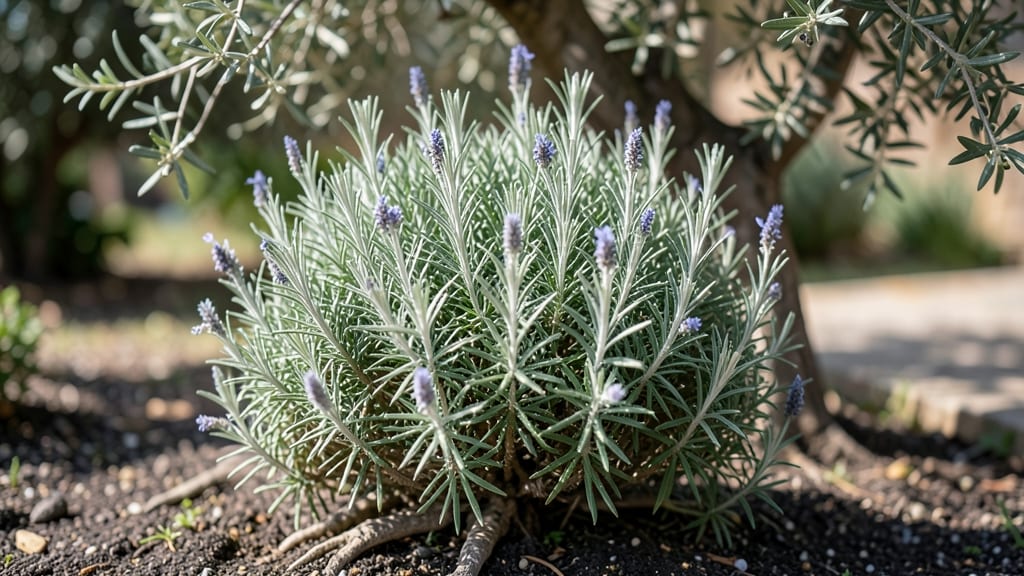
If you're wondering how tall rosemary plants grow, the answer might surprise you—this fragrant 🌿 herb can range from a compact 1-foot bush to a towering 6-foot shrub, depending on the variety and care you provide.
For gardeners in USDA Zone 6a, rosemary thrives when planted in spring (March-April), and its height can double or triple over just a few years with the right conditions.
Whether you're growing it in containers or open ground, understanding its growth potential helps you plan spacing and pruning for the best results.
Some varieties stay small and bushy, perfect for windowsills or small pots, while others grow tall and woody, ideal for hedges or background planting.
The key to controlling its height lies in pruning techniques and sunlight exposure—both of which I’ll cover to help you shape your rosemary exactly how you want.
Ready to maximize your harvest and garden design? Let’s break down the height ranges by variety and the simple care tips that keep rosemary lush, fragrant, and just the right size for your space.


Rosemary height ranges by variety: compact vs. tall options
Rosemary’s mature height can vary dramatically depending on the variety you choose. Some stay as short as 1-2 feet, perfect for windowsills or small pots, while others reach 6 feet or taller, ideal for hedges or background planting in larger gardens.
The key difference often comes down to genetics—some varieties are bred to stay compact, while others grow tall and woody naturally.
For gardeners in USDA Zone 6a, selecting the right variety ensures your rosemary thrives without outgrowing its space. Whether you’re growing it for culinary use, ornamental purposes, or both, knowing the height range helps you plan spacing and pruning strategies from day one.
Let’s explore the most popular varieties and their typical mature heights.
| Variety | Mature Height | Best For | Notes |
|---|---|---|---|
| Prostratus (Creeping Rosemary) | 1-2 ft | Containers, rock gardens, borders | Trailing habit; great for hanging baskets |
| Arp (Upright Dwarf) | 2-3 ft | Small gardens, pots, windowsills | Compact and bushy; excellent for culinary use |
| Hill Hardy (Hardy Rosemary) | 3-4 ft | Cold climates, hedges, borders | Cold-hardy; upright growth habit |
| Tuscan Blue | td style="padding: 10px; border-bottom: 1px solid #ddd;">4-5 ftOrnamental gardens, hedges | Striking blue-green foliage; tall and upright | |
| Standard Rosemary | 4-6 ft | Large gardens, hedges, background planting | Classic variety; needs regular pruning |
If you’re growing rosemary in containers, dwarf varieties like Prostratus or Arp are ideal—they won’t outgrow their pots and can even thrive in small spaces like balconies or patios. These varieties also handle pruning well, making them perfect for shaping into topiaries or small hedges.
For larger gardens, taller varieties like Tuscan Blue or Standard Rosemary add height and structure. They’re excellent for creating privacy screens or defining garden borders. Just remember, taller rosemary needs more sunlight and well-draining soil to reach its full potential.
One common misconception is that all rosemary grows tall and woody. In reality, many varieties stay compact and bushy if pruned correctly. For example, Hill Hardy rosemary can reach 4 feet but stays manageable with regular trimming.
This makes it a great choice for gardeners who want both height and ease of maintenance.
When planning your garden layout, consider the mature height of your rosemary variety. Place taller varieties at the back of borders or against fences, while dwarf varieties shine in the foreground or in containers.
This not only creates visual interest but also ensures each plant gets the sunlight and airflow it needs to thrive.
Another factor to consider is how rosemary’s height affects its harvestability. Taller varieties may require a step stool to reach the top branches, while dwarf varieties are perfect for easy picking.
If you’re growing rosemary for culinary use, you’ll want to harvest regularly to encourage bushier growth and prevent legginess.
For gardeners in Zone 6a, winter care also plays a role in height control. While rosemary is drought-tolerant, it can become leggy if not pruned back in early spring. A light trim before new growth appears helps maintain the desired shape and encourages a fuller, more compact plant.
Ready to choose the perfect rosemary for your space? Start by matching the variety’s mature height to your garden’s layout and your pruning preferences. Whether you’re aiming for a low-growing border or a towering hedge, there’s a rosemary variety that’s just right for you.
How pruning and care affect rosemary height growth
Did you know that rosemary height isn’t just about genetics? With the right pruning techniques and care practices, you can shape your rosemary to stay compact, encourage vertical growth, or even revive a leggy plant.
The key lies in understanding how sunlight exposure, soil conditions, and pruning timing influence its growth pattern.
For gardeners in USDA Zone 6a, rosemary thrives with 6+ hours of full sun daily, which naturally encourages taller growth. However, too much sun without proper pruning can lead to woody stems and reduced foliage.
The solution? Regular light pruning to maintain a bushy shape while still allowing it to reach its full height potential.
Pro Tip: Prune for Height Control
To keep rosemary compact, prune the top growth regularly. For taller growth, avoid cutting the main stems and focus on shaping the sides. Always use clean, sharp shears to prevent disease.
✂️ Best time: Early spring or after harvest
One of the most common mistakes is over-pruning rosemary, which can stunt its growth or leave it vulnerable to pests. Instead, aim for a balanced approach: trim back about one-third of the plant once or twice a year to encourage bushier growth.
For taller varieties like Tuscan Blue, prune the sides to maintain an upright form while still allowing it to reach its 4-5 foot mature height.
Soil quality plays a huge role in rosemary’s height. Well-draining, sandy soil with a slightly alkaline pH (6.0-7.0) promotes healthy root development, which in turn supports taller growth.
If your soil is heavy or clay-based, consider planting rosemary in a raised bed or container with added perlite or sand to improve drainage.
Watering habits also affect height. While rosemary is drought-tolerant, overwatering can lead to weak stems and leggy growth. Water deeply but infrequently—about once a week in Zone 6a—to encourage strong root development and compact growth.
In containers, water slightly more often (every 5-7 days) to prevent soil from drying out completely.
For gardeners aiming for culinary rosemary, regular harvesting actually encourages bushier growth. Pinch back the top sets of leaves to stimulate new side shoots, keeping the plant full and flavorful.
This method works especially well for dwarf varieties like Arp, which naturally stay 2-3 feet tall when pruned correctly.
Ready to shape your rosemary? Start by assessing your variety’s natural growth habit, then adjust your pruning and care routine to match your goals. Whether you want a low-growing border plant or a tall, aromatic hedge, the right techniques will help you achieve the perfect height for your space.