
How To
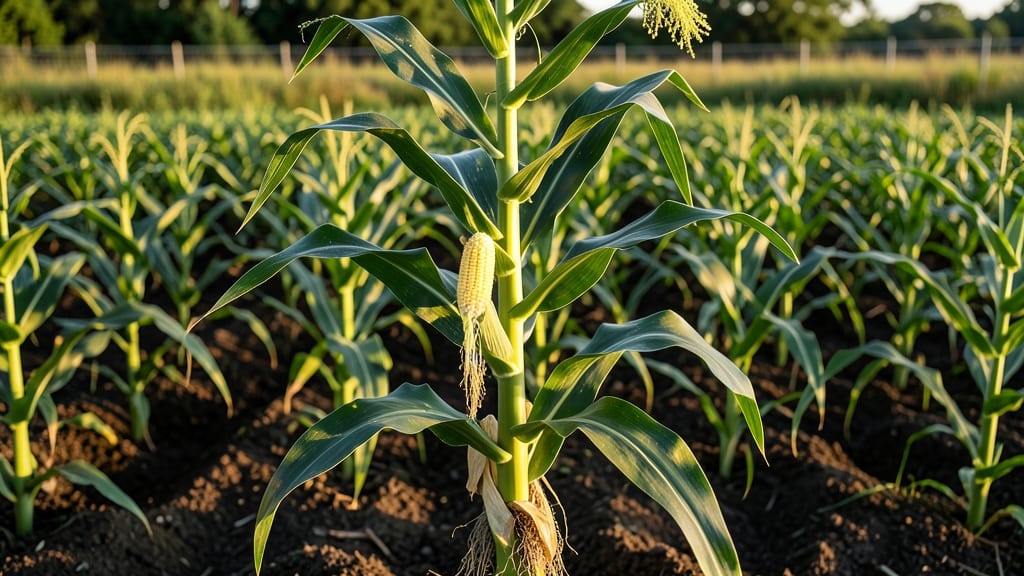
If you're dreaming of a homegrown corn harvest, you might be wondering how tall a corn plant can grow—because the answer isn’t one-size-fits-all.
From compact varieties that fit in small gardens to towering giants that reach higher than your porch roof, corn height varies dramatically by type, and that matters for everything from spacing to sunlight needs.
Most gardeners plant standard sweet corn, which typically stretches between 6 and 10 feet tall, but dwarf varieties can stay as short as 3 feet, while field corn can shoot up to 12 feet or more.
That’s a big difference when you’re planning your garden layout or deciding whether to use trellises!
What you’ll learn here is how to match the right corn height to your space, soil, and climate—plus the simple tricks to help your plants reach their full potential. Whether you’re a first-time gardener or a seasoned grower, getting this right makes all the difference in a bountiful harvest.
The key? Understanding how genetics, sunlight, and even your watering habits play into those towering (or compact) stalks. Let’s break it down so you can pick the perfect variety for your garden—and avoid common mistakes that stunt growth.


Corn plant height ranges by variety type: from dwarf to giant stalks
Corn plants can vary dramatically in height, from compact dwarf varieties perfect for small gardens to towering field corn stalks that reach over 12 feet. Understanding these differences helps you choose the right variety for your space and growing goals.
Whether you're aiming for ornamental corn, sweet corn for eating, or field corn for seed, height plays a critical role in pollination, sunlight access, and even harvest ease.
Most gardeners grow sweet corn varieties, which typically range from 4 to 10 feet tall, depending on the specific cultivar. However, some specialty varieties—like miniature corn or ornamental corn—stay as short as 12 to 36 inches, making them ideal for containers or urban gardens.
On the other end of the spectrum, field corn and some heirloom varieties can stretch 10 to 12 feet, requiring ample space and sturdy support.
🌽 Height isn’t just about space—it affects pollination. Taller corn varieties often need more wind or manual pollination assistance because their tassels (male flowers) and silks (female flowers) are farther apart. Shorter varieties, like dwarf corn, pollinate more easily, making them a great choice for beginners or small plots.
Here’s a quick breakdown of how corn height varies by type, along with their ideal growing conditions and spacing needs:
If you're growing sweet corn for eating, semi-dwarf varieties are often the best balance—they’re tall enough for good ear production but short enough to avoid flopping in wind or shading out neighboring plants.
For urban gardeners or those with limited space, dwarf corn is a game-changer, allowing you to grow corn in 5-gallon buckets or along fences.
Taller corn varieties, like field corn, need strong stems and deep roots to support their height. To prevent lodging (falling over), ensure your soil is rich in organic matter and well-drained.
Adding a light trellis or stake can also help, especially in windy areas. For ornamental corn, height adds dramatic visual interest, but be mindful of power lines or nearby structures!
One often-overlooked factor is how height affects pollination success. In tall varieties, the tassels (male flowers) and silks (female flowers) can be too far apart for natural wind pollination.
Planting in blocks (not rows) ensures better cross-pollination, even for towering stalks. For dwarf corn, this isn’t an issue—you can even hand-pollinate if needed!
For container growing, stick to dwarf varieties like 'Golden Bantam' or 'Tom Thumb.' These stay under 3 feet tall and thrive in 5-gallon pots with a balanced fertilizer (like 10-10-10). Just remember: containers dry out faster, so water deeply every 1–2 days during the growing season.
If you’re growing in the ground, mulch around the base to retain moisture and support taller varieties.
🌱 Whether you're a space-conscious urban gardener or a rural farmer with acres to fill, choosing the right corn height makes all the difference. Next, we’ll dive into how to pick the perfect variety for your garden—whether it’s a cozy balcony or a sprawling field!
Corn plant height ranges by variety type: from dwarf to giant stalks
Corn isn't one-size-fits-all when it comes to height—some varieties barely reach your waist while others tower over your head like skyscrapers.
The average mature height for most sweet corn varieties falls between 6 to 10 feet, but dwarf varieties can stay as short as 12 to 36 inches—perfect for containers or small gardens. Understanding these differences helps you plan spacing, trellising, and even pollination strategies.
Taller corn varieties (like field corn or flint corn) often reach 8 to 12 feet, requiring ample space and sturdy support. Meanwhile, ornamental corn or miniature varieties stay compact, making them ideal for urban gardens or decorative displays.
The height you choose directly impacts your garden layout and even the companion plants you can pair with it.
| Variety Type | Height Range | Best For | Spacing Needs |
|---|---|---|---|
| Dwarf Sweet Corn | 12–36 inches | Containers, small gardens | 6–12 inches apart |
| Medium Sweet Corn | 4–6 feet | Home gardens, urban plots | 12–18 inches apart |
| Standard Sweet Corn | 7–10 feet | Large gardens, fields | 18–24 inches apart |
| Field Corn | 8–12 feet | Livestock feed, large farms | 24–36 inches apart |
Taller corn varieties often need sturdy trellises or cages to prevent lodging, especially in windy areas. I’ve found that field corn varieties like 'Pioneer Brand 33B11' can reach 10+ feet without support, but adding a bamboo trellis or corn stalk cages can improve air circulation and reduce disease risk.
For dwarf varieties, containers with drainage holes work perfectly—just ensure they’re at least 12 inches deep.
Height also affects pollination success. Taller varieties may need hand-pollination if planted in rows wider than 20 feet, as wind can’t easily transfer pollen between stalks.
For small gardens, I recommend planting medium-height varieties like 'Silver Queen' (6 feet) in blocks rather than rows to improve cross-pollination naturally.
One surprising factor that influences height is soil fertility. Rich, well-draining soil with organic matter can push corn to reach its full genetic potential, while poor soil may stunt growth by 20–30%.
Always test your soil’s pH (6.0–7.0 is ideal) and amend with compost or aged manure before planting. Even the tallest varieties won’t thrive without the right foundation!
If you’re growing corn for ornamental purposes, like colorful Indian corn varieties, height becomes less critical—focus instead on foliage contrast and harvest timing. These varieties often stay between 5 and 8 feet and add stunning autumn interest to gardens.
For sweet corn, prioritize disease-resistant varieties like 'Bodacious' (7–8 feet) to balance height with productivity.
Remember: height isn’t everything. Even dwarf corn can produce plump, sweet ears if given proper care. The key is matching your variety to your garden’s unique conditions—whether that’s space, sunlight, or soil quality.
Experiment with a mix of heights to create visual interest while ensuring a bountiful harvest! 🌽