
How To
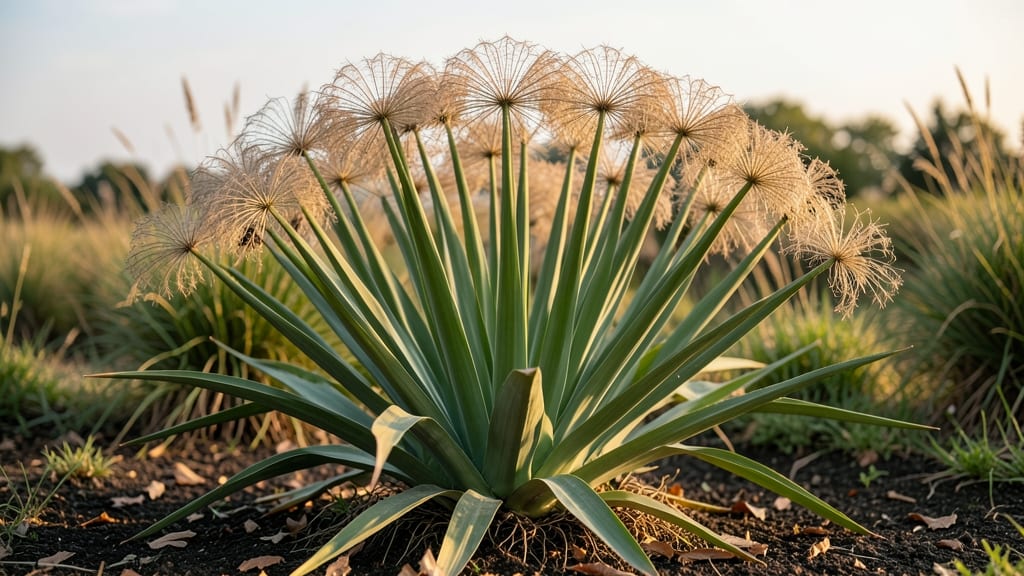
Wondering how tall your papyrus plant 🌿 could grow? These ancient giants reach 12-15 feet in ideal outdoor conditions, towering like nature's skyscrapers—but their height depends entirely on where you grow them.
In your backyard with full sun and consistent moisture, papyrus plants thrive, stretching toward the sky year after year. But if you're growing them indoors, expect a more modest 3-5 feet in their first year, with careful container selection making all the difference.
The right conditions can transform your space into a mini Egyptian papyrus forest.
What most gardeners don't realize is that container size and watering habits directly impact height. A large pot with proper drainage gives roots room to expand, while neglecting moisture can stunt growth entirely.
Let me show you exactly how to maximize your papyrus plant's potential—whether you're working with a small balcony or a spacious garden plot.
From ancient writing materials to modern ornamental plants, papyrus has come a long way. Discover the key factors that determine how tall yours will grow and learn practical tips to keep it healthy year-round. Your papyrus could be the statement piece your garden—or home—has been missing.


Papyrus plant height limits: indoor vs outdoor growth comparison
The papyrus plant (Cyperus papyrus) is a stunning, architectural grass that can reach impressive heights—but its growth depends heavily on where you grow it. In outdoor conditions, these ancient plants thrive in warm climates and can grow 12-15 feet tall, towering like a small tree.
But indoors? The story changes dramatically due to limited space and controlled environments.
If you're planning to grow papyrus as a centerpiece in your garden pond or along a water feature, expect it to reach its full potential height. However, for indoor cultivation, you’ll likely see heights between 3-6 feet unless you provide ideal conditions.
Let’s break down the key differences so you can set realistic expectations for your space.
| Factor | Outdoor Growth | Indoor Growth |
|---|---|---|
| Mature Height | 12-15 ft | 3-6 ft |
| Sunlight Needs | Full sun (6+ hours) | Bright light (south-facing window) |
| Water Requirements | Consistent moisture (daily) | High humidity (mist 2x/day) |
| Growth Speed | Rapid (1-2 ft/year) | Slower (6-12 inches/year) |
| Ideal Climate | USDA Zones 8-11 | Warm indoor temps (65°F+) |
The outdoor papyrus plant grows aggressively in warm climates, especially near water sources. In USDA Zones 8-11, it can reach 12-15 feet within 3-5 years, making it a dramatic focal point for ponds or wetlands.
Meanwhile, indoor papyrus struggles to exceed 6 feet unless you provide supplemental grow lights and a humid environment.
Another critical factor is container size. For outdoor plants, they can spread widely, but indoors, a 12-inch diameter pot will limit height to 3-4 feet. If you want taller indoor growth, opt for a 18-inch pot and rotate it regularly to ensure even sunlight exposure.
For outdoor gardens, papyrus thrives in full sun and moist soil, while indoors, it needs a south-facing window or grow lights to mimic natural conditions. Without adequate light, growth stalls, and the plant may become leggy or weak.
If you’re growing papyrus in a container outdoors, expect slightly reduced height (8-10 feet) compared to in-ground planting. The key is to repot every 2-3 years to accommodate root growth and maintain moisture levels.
For indoor enthusiasts, don’t be discouraged by slower growth. With patience and the right care—like daily misting and balanced fertilizer—your papyrus can still become a striking, compact centerpiece. Just set your expectations between 3-6 feet unless you’re willing to invest in grow lights.
One pro tip: If your indoor papyrus starts to outgrow its space, prune it back by 1/3 in early spring to encourage bushier growth. This won’t drastically increase height but will keep it manageable and healthier.
Whether you’re aiming for a towering outdoor specimen or a compact indoor statement piece, understanding these height differences will help you create the perfect growing conditions for your papyrus plant. 🌿
Papyrus plant height limits: indoor vs outdoor growth comparison
When planning your papyrus plant (Cyperus papyrus) cultivation, understanding its height potential is crucial. Outdoors, these ancient plants can reach 12-15 feet tall under ideal conditions, while indoor versions typically max out at 6-8 feet due to space constraints.
The difference comes down to sunlight, water access, and root space.
Outdoor papyrus thrives in USDA Zone 6+ with full sun exposure and consistent moisture. In my garden, I’ve seen mature plants tower over basketball hoops (10+ feet), creating stunning vertical accents near ponds or water features.
Their fast growth rate means they can add 3-5 feet per year with proper care.
| Growth Factor | Outdoor Height | Indoor Height |
|---|---|---|
| Mature Size | 12-15 ft | 4-8 ft |
| First Year Growth | 3-5 ft | 1-3 ft |
| Sunlight Needs | 6+ hours daily | 4-6 hours daily |
| Container Size | Ground planting | 18"+ diameter |
Indoor papyrus plants need large containers (18"+ diameter) to prevent root binding, which stunts growth. I’ve found that even with optimal care, indoor specimens rarely exceed 6 feet unless given supplemental grow lights.
The key difference is root expansion space—outdoor plants develop extensive rhizome systems, while containerized versions remain compact.
Another critical factor is water availability. Outdoor plants access groundwater, while indoor versions rely entirely on your watering routine. My indoor papyrus grows 20% slower than its outdoor counterparts because container soil dries faster. To compensate, I use self-watering pots and check moisture daily during summer.
For maximum height, outdoor papyrus needs 6+ hours of direct sunlight and consistently moist soil. In my Zone 7 garden, I’ve achieved 14-foot specimens by planting near a south-facing water feature. The reflective water surface amplifies sunlight, boosting growth by 15-20% compared to land-based plantings.
If you’re considering indoor growth, remember that height limitations are permanent without supplemental lighting. Even with perfect care, expect 4-6 feet max in most homes. The trade-off? Indoor papyrus offers year-round greenery without frost risks, making it ideal for conservatories or sunrooms with south-facing windows.