
Companion Plants
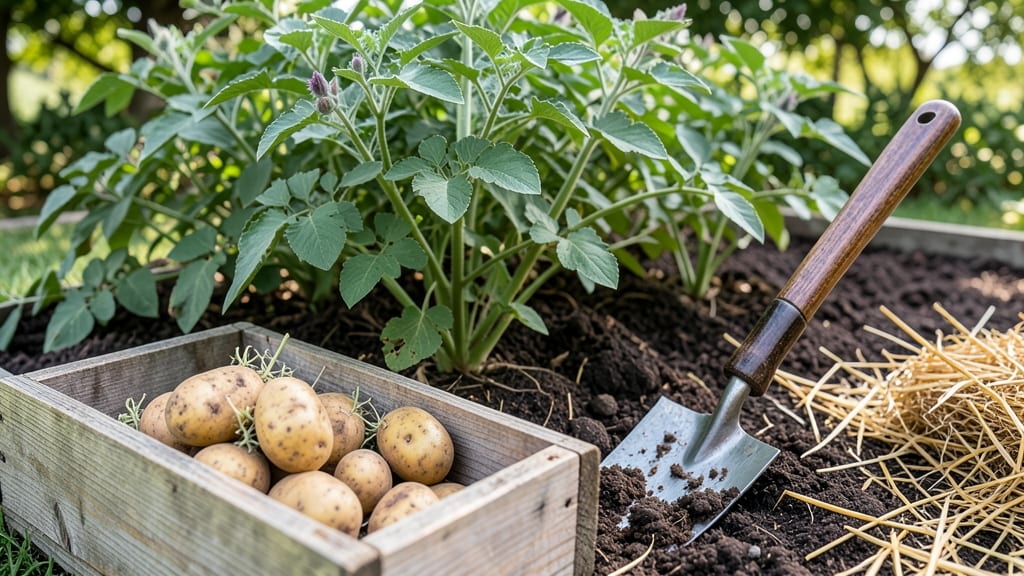
Planting potatoes in Ohio at the wrong time can turn your 🥔 harvest into a gamble—especially when unpredictable frosts or soggy soil lurk around every corner.
Unlike other plants, potatoes demand precision: soil temperatures must hit 45°F+, and the last frost date (usually around April 15) sets the deadline for early varieties.
But here’s the catch: Ohio’s microclimates—from the chilly Appalachian valleys to the warming flatlands—can shift your ideal planting window by 2-3 weeks. Whether you’re growing Yukon Golds for crisp salads or Kennebecs for storage, timing isn’t just about the calendar; it’s about soil readiness and variety resilience.
I’ll break down exactly when to plant in your specific zone, how to adjust for late frosts or wet springs, and which cold-hardy varieties thrive even when Mother Nature throws curveballs. Skip the guesswork and get the game-changer details to maximize your yield.
Ready to turn your Ohio garden into a potato powerhouse? Let’s dig into the science—and the secrets—behind planting for success.
Ohio potato planting calendar: microclimate-specific dates by region
Ohio’s diverse geography means your potato planting window can vary by 1-2 weeks depending on whether you’re in the Appalachian foothills or the Great Lakes plain.
The key factor? Soil temperature—potatoes need 45°F+ to sprout consistently. Let’s break it down by Ohio’s three main regions so you can plant with confidence.
For most of Ohio, the ideal planting window falls between late March and early April, but frost risk and soil warming speed shift this timeline. In northwest Ohio, where springs are cooler, aim for early to mid-April.
Meanwhile, southeast Ohio’s warmer microclimates can support late March plantings if soil is workable. Always use the last frost date as your guide—plant 4-6 weeks before to ensure tubers mature before fall frosts.
🌱 Pro Tip: Test soil temperature with a soil thermometer—if it’s below 45°F, delay planting to avoid rot-prone conditions. Ohio’s USDA Zone 6a average last frost dates range from April 5 (northwest) to April 20 (southeast).
If you’re in Zone 6a like most of Ohio, early varieties like Red LaSoda can be planted as soon as soil is workable (usually late March in warmer zones). For late-season varieties like Kennebec, wait until early May to avoid blight risks from Ohio’s humid summers.
Always plant seed potatoes (not grocery store potatoes) cut into 1.5-inch chunks with 2+ eyes per piece.
For container growing, start 2-3 weeks earlier since pots warm faster. Use black plastic mulch to raise soil temperature 5-10°F faster in cooler regions. In Appalachian areas, consider row covers to extend the season by 2-3 weeks.
Ohio’s first frost typically hits October 15, so plan to harvest 90-120 days after planting. Early varieties (e.g., Yukon Gold) mature in 70-80 days, while late varieties (e.g., Russet) need 110-120 days.
Adjust planting dates to avoid tubers maturing too late—a common mistake in Ohio’s short growing season.
One critical mistake Ohio gardeners make? Planting too late. If you miss the April window, your late-season varieties may not mature before frost. For example, Kennebec potatoes planted in mid-May often produce small, underdeveloped tubers by October.
Use a planting calendar or set reminders for your region’s last frost date.
For extended harvests, try succession planting: plant early varieties in March-April and late varieties in May. This spreads out your harvest from July to September. In wet springs, delay planting until soil is dry enough to crumble—waterlogged soil causes rot and poor sprouting.
Ohio’s microclimates can create 50°F temperature swings in a single day. Use weather forecasts and soil thermometers to time your planting. If a late frost threatens, cover seedlings with frost cloth until temperatures stabilize.
With the right timing, you’ll enjoy homegrown potatoes from July through September—just in time for Ohio’s farmers' market season!
How to adjust planting dates for Ohio’s unpredictable weather patterns
Ohio’s spring is famously fickle—one week you’re shivering under frost, the next you’re sweating through a heatwave. For potatoes, this unpredictability means planting too early risks rot from cold, wet soil, while planting too late cuts your harvest short.
The key is flexibility: knowing how to warm soil faster, protect tender sprouts, and choose varieties that thrive in Ohio’s rollercoaster climate.
I’ve learned the hard way that a 3-week buffer between ideal and absolute planting deadlines isn’t just smart—it’s essential.
Whether you’re dealing with late April frosts in the Appalachian foothills or unseasonably warm March days in the Miami Valley, these strategies will help you maximize your potato yield despite Ohio’s mood swings.
- 1. Use black plastic mulch to warm soil 5-10°F faster than bare earth. Lay it down 2 weeks before planting in cold zones.
- 2. Plant cold-hardy varieties like Yukon Gold or Red LaSoda 2-3 weeks earlier than standard types.
- 3. Cover seedlings with floating row covers if frost threatens after sprouting. Remove during the day to prevent overheating.
- 4. Test soil temperature with a soil thermometer—wait until it hits 45°F+ consistently for 24 hours.
- 5. Stagger plantings every 2 weeks for a continuous harvest, protecting late plantings with cloches if needed.
For wet springs, prioritize raised beds or mounded rows to improve drainage—potatoes hate soggy feet. I’ve seen entire plantings fail when heavy rains kept soil waterlogged for more than 3 days straight.
Amend clay soil with compost or sand to create a crumbly, aerated bed where tubers can swell freely.
If a late frost hits after sprouts emerge, don’t panic. Instead of replanting (which wastes time), pile mulch around the base to insulate roots. I’ve saved entire rows this way—even when temps dipped to 28°F. For extreme cases, use old blankets or cardboard as temporary protection until danger passes.
Heatwaves are another Ohio specialty. When temps rise above 85°F, potatoes stop producing tubers and focus on leaf growth. To combat this, shade young plants with lightweight fabric during peak afternoon sun.
Drip irrigation also keeps soil cool and prevents scab disease, a common issue in Ohio’s humid summers.
Pro tip: Harvest early varieties first to avoid the heat stress entirely. Plant Kennebecs in late May instead of April—they’ll mature before the worst of the summer arrives, giving you larger, disease-free tubers. It’s not cheating; it’s working with Ohio’s climate, not against it.