
Companion Plants
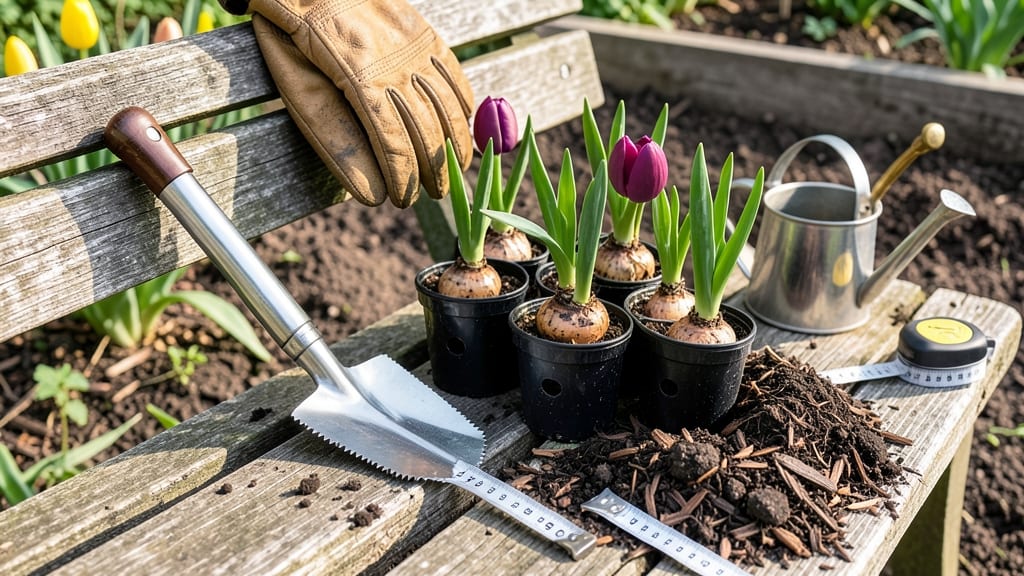
Planting potted tulips 🌷 in the ground at the wrong time can mean the difference between vibrant spring blooms and struggling bulbs.
The key is timing it 4-6 weeks before your first frost, when soil temperatures are cool but not yet frozen - this gives roots just enough time to establish without winter stress.
I’ve learned the hard way that rushing or delaying this process can leave your tulips vulnerable. Too early, and frost will damage tender roots; too late, and they won’t have time to anchor before winter sets in.
For Zone 6a, that usually means late September or early October, but your exact window depends on local frost dates.
What you’ll discover here is how to calculate your perfect planting week using simple tools, plus the signs your potted tulips are truly ready to move. We’ll also cover soil prep tricks and post-planting care to ensure those bulbs thrive for years to come.
Whether you’re a first-time gardener or a seasoned pro, these science-backed steps will help you avoid common mistakes and get the most stunning tulip display next spring. Let’s get those bulbs in the ground the right way!
How to calculate the exact week before frost for potted tulip planting
Planting potted tulips too early exposes their delicate roots to frost damage, while planting too late prevents them from establishing strong roots before winter. The ideal window is 4-6 weeks before your first frost date, when soil temperatures drop to 40-50°F.
This timing ensures roots have 4-6 weeks to anchor before dormancy begins.
Start by checking your USDA hardiness zone—most gardeners in Zones 3-8 aim for late September to early November. For example, in Zone 5, this typically means planting by October 15, while Zone 8 gardeners can wait until November 1.
Use the National Weather Service’s frost calculator (available at [www.weather.gov](https://www.weather.gov)) to pinpoint your exact date.
Next, account for your local microclimate. Urban areas with heat islands may experience frost 1-2 weeks later than rural zones, while slopes or low-lying areas can freeze earlier. Observe nearby plants—if daylilies or chrysanthemums are already showing frost damage, your tulips need to be in the ground soon.
Soil temperature is just as critical as frost dates. Use a soil thermometer to confirm temps are between 40-50°F at a depth of 4 inches. If your soil is still warm (above 50°F), wait 7-10 days before planting.
Cool soil speeds up root growth, giving your tulips a head start for next spring’s blooms.
Don’t rely solely on calendar dates—frost dates shift yearly. For instance, a late September frost in Zone 6 could push your planting window to October 1, while an early frost might require planting by September 20.
Always confirm with a local weather forecast 1-2 weeks before your target date.
| Factor | Specification | Action |
|---|---|---|
| USDA Zone | 3-8 | Plant 4-6 weeks before first frost |
| Soil Temp | 40-50°F (4 inches deep) | Use soil thermometer to confirm |
| Microclimate | Urban vs. rural | Adjust window by 1-2 weeks |
| Root Growth | 4-6 weeks before dormancy | Monitor foliage health |
| Tools Needed | Soil thermometer, trowel, mulch | Prep soil and amend with compost |
Pro tip: If you’re unsure about your frost date, use the "10-10-10 rule"—plant tulips when the average daily temperature drops to 50°F for 10 consecutive days, and nights consistently reach 32°F or below.
This method works especially well for gardeners in transition zones (e.g., Zone 7b) where frost dates vary widely.
Once you’ve nailed the timing, prepare your soil by amending it with compost or aged manure to improve drainage—a critical factor for tulip health. Avoid planting in heavy clay or waterlogged soil, which can cause bulb rot.
Instead, choose a spot with well-draining soil and 6+ hours of sunlight daily for optimal blooms next spring.
After transplanting, mulch with 2-3 inches of straw or shredded leaves to insulate roots and retain moisture. This step is non-negotiable in Zone 3-5, where winter temperatures can drop below 0°F. Mulch acts as a protective blanket, shielding tulips from extreme cold while allowing airflow to prevent rot.
Finally, mark your planting date on a calendar and set a reminder for early spring care (e.g., fertilizing in late winter when shoots emerge). Proper timing now ensures your tulips will reward you with vibrant blooms in April or May**—and stronger bulbs for years to come.
🌷
Signs your potted tulips are ready to transplant (and common mistakes to avoid)
Knowing when your potted tulips are truly ready to move is half the battle. The best time to transplant is when they’ve developed strong roots but haven’t yet started their spring growth spurt.
Look for root-bound pots—roots circling the bottom or poking through drainage holes are clear signals it’s time. I always check by gently removing the bulb from its pot to inspect the roots.
Another key indicator is stem height—ideal transplants have stems reaching 4-6 inches tall with mature foliage. If your tulips are still small and leggy, give them another week or two in their pots. Overcrowded pots with multiple bulbs competing for space will also stress your plants when transplanted.
Here’s a quick checklist to confirm readiness: ☑️ Roots filling the pot’s bottom ☑️ Stems 4-6 inches tall ☑️ Healthy green leaves (no yellowing) ☑️ No wilted or damaged foliage ☑️ Soil is lightly moist but not soggy
✅ DO Plant When...
- Roots are circling the pot bottom (root-bound)
- Stems reach 4-6 inches tall with mature leaves
- Soil is lightly moist (not waterlogged)
- Leaves are green and healthy (no yellowing)
❌ DON’T Plant When...
- Leaves are wilted or yellowing (sign of stress)
- Soil is dry and crumbly (roots are thirsty)
- Stems are too short (<3 inches) (not established)
- Pot is too large (>4 inches diameter) (bulb won’t anchor)
Avoid these common transplant mistakes that can kill your tulips: planting bulbs with wilted leaves (they won’t recover), ignoring soil moisture (bulbs need consistent hydration), or choosing the wrong pot size.
I once planted tulips from a 6-inch pot because I thought bigger was better—big mistake! The bulb struggled to anchor in the heavy soil.
Pro tip: If your tulips are still in small pots (<3 inches), let them stay there for another 2-3 weeks. Larger pots (>4 inches) can delay transplanting because the bulb may not establish roots quickly enough before winter. Always dig a hole twice as wide as the pot to prevent root circling in the ground.
Finally, never rush transplanting just because the weather forecast says frost is coming. If your tulips aren’t ready, wait for the next window—better late than sorry! With the right timing, your potted tulips will thank you with bold, vibrant blooms next spring. 🌷