
Companion Plants
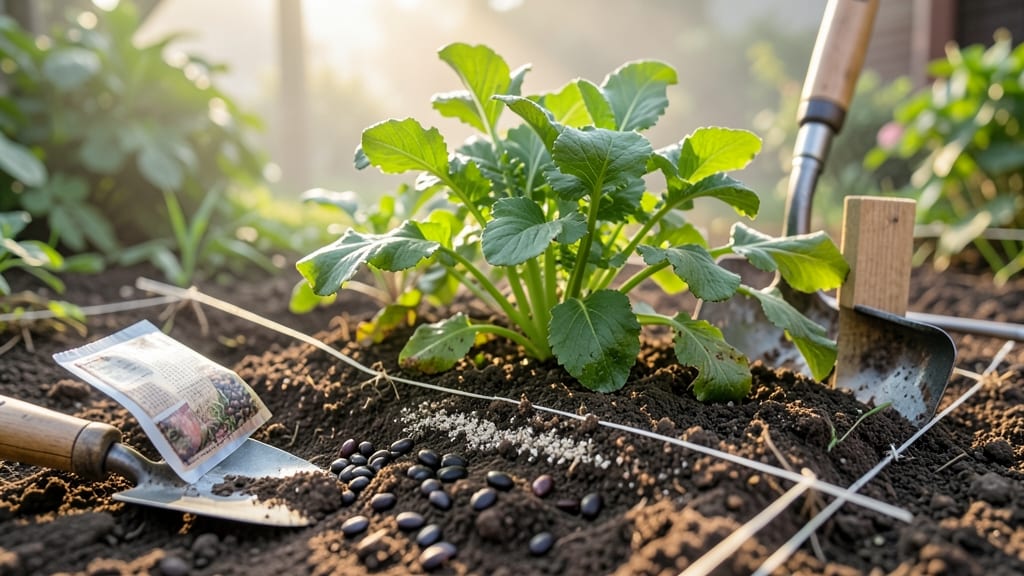
Planting radishes in Zone 5 at the right time means the difference between a crisp, sweet harvest in just 3 weeks and bitter, tough roots you’ll regret growing.
The key is knowing exactly when to drop those seeds—too early and you’ll face frost damage, too late and your radishes might bolt before you even get a chance to taste them.
For most gardeners in Zone 5, the sweet spot is early spring as soon as the soil warms up (around March), or late summer when temperatures start cooling down.
But timing isn’t just about the calendar—soil temperature and variety choice play a huge role too. Let’s break down the exact windows and tips to ensure your 🥕 radishes thrive.
You don’t have to be a seasoned gardener to pull this off. With the right approach, you can enjoy fresh radishes from late spring through early summer and even squeeze in a fall harvest.
I’ll share the exact weeks before your last frost to plant, how to adjust for cooler microclimates, and why succession planting could mean radishes on your table for months.
Whether you’re a beginner or a veteran gardener, these strategies will help you avoid common mistakes and maximize your yield. Ready to grow radishes that are fast, flavorful, and foolproof? Let’s get started.
Best planting windows for radishes in Zone 5: exact weeks before last frost
Timing your radish planting in Zone 5 is all about avoiding two major pitfalls: bolting (when plants flower too early) and woody roots (overmature radishes).
In my experience, the 4-6 weeks before last frost window is your golden opportunity for spring plantings, while fall offers a second chance for a late-season harvest.
For Zone 5, the last frost date typically falls around April 15. This means your ideal spring planting window opens about 4-6 weeks earlier, or in early March.
However, soil temperature matters just as much as calendar dates—radishes thrive when soil reaches at least 40°F (4°C), so don’t rush if your ground is still frozen.
If you’re unsure about your exact last frost date, check the USDA Plant Hardiness Zone Map for your specific location within Zone 5.
Microclimates (like urban heat islands or sheltered valleys) can shift your planting window by 1-2 weeks, so always err on the side of caution for cooler microclimates.
Here’s the key: Spring planting should happen 4-6 weeks before last frost (early March), while fall planting targets 6-8 weeks before first frost (early September). This timing ensures radishes mature before extreme heat or cold sets in.
| Planting Window | Zone 5 Dates | Soil Temp | Notes |
|---|---|---|---|
| Early Spring | March 1–15 | 40°F+ (4°C+) | Use cold-hardy varieties like Cherry Belle or French Breakfast. |
| Late Summer | August 15–31 | 50°F+ (10°C+) | Choose quick-maturing varieties (20–25 days) to avoid bolting. |
| Fall | September 1–15 | 55°F+ (13°C+) | Best for longer-day varieties like Daikon. |
For spring plantings, I recommend starting with early varieties like Cherry Belle or Easter Egg, which mature in just 25–30 days. These varieties tolerate cooler soil temperatures and are less likely to bolt.
If you’re planting in late summer, switch to heat-tolerant varieties like French Breakfast or White Icicle, which handle warmer soil better.
One trick I’ve learned is to use shade cloth if planting in late summer to prevent bolting. Radishes are cool-season crops, so they’ll bolt (go to seed) if exposed to temperatures above 75°F (24°C) for prolonged periods.
A 30–50% shade cloth can lower soil temperature by 5–10°F (3–6°C), giving you a few extra weeks of harvest.
If you’re in a cooler microclimate within Zone 5 (like higher elevations), push your spring planting back by 1–2 weeks to avoid frost damage. Conversely, if you’re in a warmer microclimate (like near a heat-absorbing pavement), you can plant 1–2 weeks earlier without risking bolting.
Pro tip: Always test your soil temperature with a soil thermometer before planting. Radish seeds won’t germinate well below 40°F (4°C), and waiting a few extra days can mean the difference between a crisp harvest and a bitter disappointment.
Finally, remember that succession planting is your best friend for continuous harvests. By staggering plantings every 2 weeks in spring and fall, you can enjoy fresh radishes for 8–10 weeks instead of just a few weeks.
Best planting windows for radishes in Zone 5: exact weeks before last frost
In Zone 5, radishes thrive when planted at the right time—typically 4-6 weeks before your last frost date (around March 15-April 1 for most areas). This timing ensures your soil is workable but not too cold, giving radishes the perfect start.
For my garden in Zone 5a, I plant early varieties like 'Cherry Belle' or 'French Breakfast' in late March, while longer-season types like 'Black Spanish' go in early April.
Fall is another great window—plant 6-8 weeks before your first frost (around September 15-October 1). This gives radishes time to mature before winter sets in. I’ve found that quick-maturing varieties (like 'Easter Egg') are ideal for fall, as they can handle cooler temperatures better than slower growers.
Soil temperature is critical—radishes sprout best in soil that’s at least 40°F (4°C). Use a soil thermometer to check; if it’s colder, wait a week or two. I’ve learned the hard way that planting too early in cold soil leads to slow germination or rot.
For extra warmth, cover seeds with a lightweight row cover until sprouts appear.
🌱 Radish Planting Timeline for Zone 5
| Planting Window | Soil Temp | Best Varieties | Harvest Time |
|---|---|---|---|
| Early Spring (March 15-April 1) | 40-50°F (4-10°C) | 'Cherry Belle', 'French Breakfast' | Late April-June |
| Late Summer (August 15-Sept 1) | 50-60°F (10-15°C) | 'Easter Egg', 'White Icicle' | September-October |
| Fall (September 15-October 1) | 45-55°F (7-13°C) | 'Quickfire', 'Tendercrisp' | October-November |
*Adjust dates based on your specific last frost date. Use a local frost calendar for precision.
Avoid planting radishes in mid-summer heat (June-July) unless you’re growing heat-tolerant varieties like 'Malaga'. High temperatures cause radishes to bolt (flower prematurely), making roots bitter. If you must plant in summer, use shade cloth (30-50% shade) and harvest quickly—within 20-25 days.
For cooler microclimates in Zone 5 (like higher elevations), push planting dates 1-2 weeks later to avoid frost. I’ve also had success with container growing—plant radishes in pots and move them to a sheltered spot if early frosts threaten. Just ensure containers have drainage holes to prevent waterlogged roots.
Pro tip: Mark your planting dates on a garden calendar and set reminders for succession plantings. With the right timing, you can enjoy radishes from late spring through fall—no greenhouse needed! 🌱