
Flowers
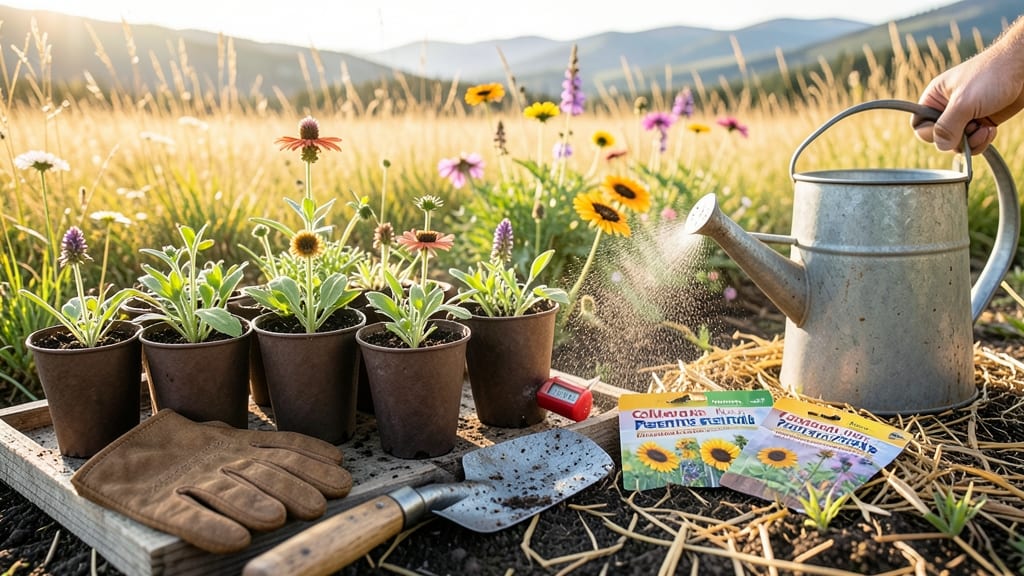
Timing your flower planting in Colorado can make or break your garden—get it wrong, and those 🌸 blooms might never take off. With USDA Zones 5-7 and dramatic elevation shifts, knowing when to plant isn’t just helpful—it’s essential for survival.
Whether you’re in Denver’s urban heat islands or the high-altitude slopes near Aspen, the rules change fast. Last frost dates can vary by weeks, and some flowers need a head start indoors while others thrive when planted after the soil warms.
I’ll break down the exact windows for everything from spring bulbs to summer annuals, so you never guess again.
You’ll learn how to read Colorado’s microclimates, adjust for early freezes, and pick the perfect moment to plant—whether you’re sowing seeds in March or transplanting in May. No more wasted effort or lost blooms.
Let’s turn your garden into a year-round showstopper—starting with the right timing.
Colorado’s flower planting zones by altitude: exact dates for lowland, foothills, and mountain gardens
Colorado’s diverse elevations create wildly different planting windows—what works in Denver (5,280 ft) fails at Aspen (7,800 ft). The USDA Hardiness Zones 4-7 across the state mean your last frost dates can vary by 6+ weeks. Let’s break down the exact timing for your region.
For lowland areas (3,000–5,000 ft), like Colorado Springs or Fort Collins, the average last frost date is April 15–May 1. In contrast, high-altitude gardens (7,000–10,000+ ft), such as Leadville or Telluride, face last frosts as late as June 15.
Even nearby cities like Boulder (5,430 ft) and Denver can differ by 10 days in frost timing.
Microclimates add another layer—urban heat islands in Denver can delay frost by 7–10 days, while mountain valleys (like Grand Junction) experience earlier springs. Always check your local CoCoRaHS station for precise data.
🌱 Key Takeaway: Use USDA Zone 5 for high-country gardens and Zone 7 for southern Colorado. Adjust planting dates by 2–4 weeks based on your elevation.
In Zone 5 (Denver/Boulder), cool-season flowers like pansies and calendula can be planted as early as March 15, while warm-season favorites (e.g., marigolds, zinnias) wait until May 15 after the last frost. High-altitude gardens (Zone 4) should delay tender annuals until June
Best flowers to plant by season in Colorado: cool-season vs. warm-season timing guide
Colorado’s short growing season means timing is everything. Cool-season flowers like pansies and snapdragons thrive when planted in early spring (March-April), while warm-season beauties like marigolds and zinnias need to wait until after last frost (mid-May). The key is matching your altitude to the right blooms.
At lower elevations (Denver, Colorado Springs), you can start cool-season annuals as early as February under row covers, but high-altitude gardens (Aspen, Vail) should wait until late April to avoid frost damage.
Perennials like coneflowers and lavender are more forgiving—they can handle early spring planting as long as soil isn’t frozen.
For warm-season flowers, the rule is simple: wait until soil reaches 50°F+. In Denver, that’s usually mid-May, but in Grand Junction, you might plant 2 weeks earlier. Heat-sensitive varieties like impatiens need even warmer soil—aim for 60°F+—which often means waiting until June in mountain regions.
🌸 Colorado Flower Planting Guide by Season
| Season | Best Flowers | Planting Time (Low Elevation) | Planting Time (High Elevation) |
|---|---|---|---|
| Early Spring | Pansies, Snapdragons, Sweet Alyssum | March-April (after frost) | Late April-May |
| Late Spring | Petunias, Calendula, Dianthus | April-May (soil 50°F+) | May-June |
| Summer | Marigolds, Zinnias, Sunflowers | May-June (soil 60°F+) | June-July |
| Fall | Chrysanthemums, Asters, Pansies | August-September (6 weeks before frost) | July-August |
Don’t forget about perennials—they’re the workhorses of Colorado gardens. Plant hardy varieties like black-eyed Susans and Russian sage in early spring (March-April) for established roots before summer heat. For tender perennials like lavender, wait until late spring when nights stay above 40°F.
Pro tip: Use seed starting indoors to jumpstart warm-season flowers. Begin marigolds and petunias indoors in February for transplanting after last frost. This gives you a 4-6 week head start on the season—critical in high-altitude areas where summers are short.
For succession planting, stagger your sowings every 2-3 weeks from May through July. This ensures continuous blooms all season long, even in Colorado’s unpredictable climate. Just remember: warm-season flowers planted too early will bolt, while cool-season flowers planted too late may not thrive before winter.