
Flowers
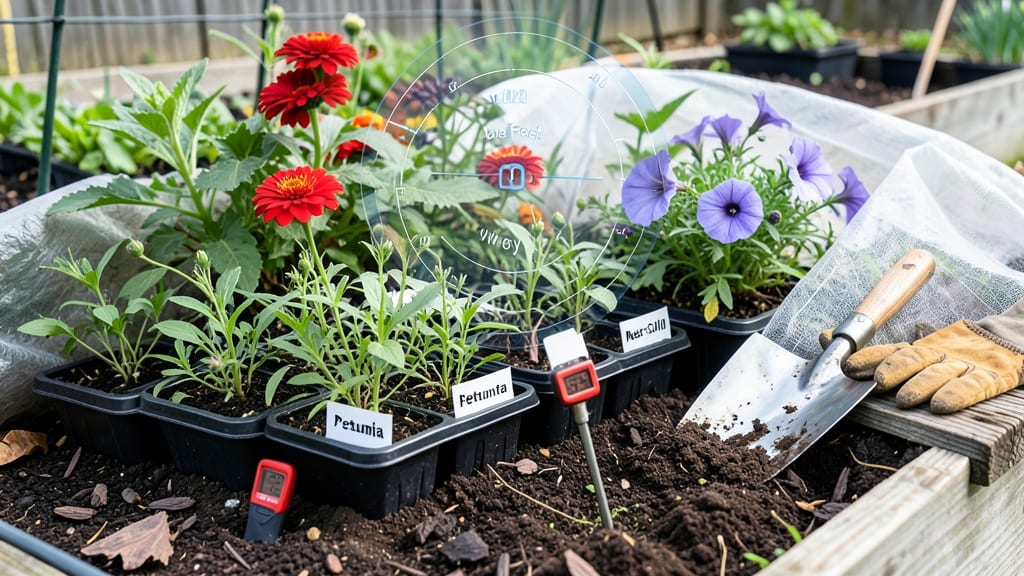
Planting your 🌸 flowers in Michigan at the wrong time can mean the difference between a vibrant garden and a sad pile of frost-bitten petals. The key to success isn't just waiting for spring—it's knowing when your USDA Zone 5-6 region actually signals "go."
Most gardeners in Michigan wait until after the last frost date, which typically falls between mid-April in southern Michigan and early May in the northern regions. But timing isn't just about the calendar—it's about soil temperature and plant hardiness.
Planting too early can shock delicate roots, while waiting too long might leave you scrambling to establish blooms before summer's heat sets in.
In this guide, I'll break down the exact planting windows for annuals and perennials, plus how to extend your season with simple tricks like row covers and cold frames.
You'll learn which flowers thrive in Michigan's short but sweet growing season and how to adjust for those tricky microclimates that make every yard unique.
Whether you're a first-time gardener or a seasoned pro, these zone-specific deadlines will help you avoid common mistakes and create a garden that bursts into color year after year. Let's get those 🌸 flowers in the ground the right way!
Michigan’s frost-free dates by USDA hardiness zones (5-6b) and when to plant flowers
Michigan spans USDA Zones 5a through 6b, meaning frost dates vary dramatically between southern Detroit (Zone 6a) and northern Traverse City (Zone 5a).
The last average frost date ranges from mid-April in southern Michigan to early May in the north, while the first frost arrives as early as late September in the Upper Peninsula and as late as mid-October in Detroit.
These dates are your planting deadlines—but timing depends on whether you’re planting annuals or perennials.
For annual flowers, the safest rule is the 10-day rule: wait 10 days after your region’s last frost date to plant frost-sensitive varieties like marigolds or geraniums. Cold-hardy annuals like pansies and snapdragons can handle light frosts and can often go in 2-3 weeks earlier. Perennials, on the other hand, should be planted in early spring (March–April) or early fall (September) to establish strong root systems before winter.
Here’s how to use Michigan’s frost dates to plan your flower garden like a pro:
Pro tip: Soil temperature matters just as much as air temperature. Most flowers need soil to warm to at least 50°F (10°C) before planting. Use a soil thermometer to check—especially for heat-loving annuals like zinnias or sunflowers.
In cooler zones, wait until late May for these varieties to avoid stunted growth.
For fall planting, aim to get perennials and bulbs in the ground 6-8 weeks before your first frost.
This gives roots time to establish before winter. Michigan’s first frost typically hits in late September to mid-October, so September planting is ideal for chrysanthemums, aster, and fall-blooming perennials like sedum.
Don’t forget about microclimates! Urban areas like Detroit often warm up faster than rural zones, while Great Lakes shorelines can delay frost by 1-2 weeks. Use these local differences to your advantage—plant heat-sensitive flowers
How to extend your Michigan flower planting season without risking frost damage
Michigan’s short growing season means you don’t have to wait for the perfect planting window—you can extend your flower season with simple strategies. The key is protecting tender seedlings while still giving them enough sunlight to thrive.
I’ve tested these methods in my own garden, and they’ve helped me get blooms going weeks earlier than the average gardener.
One of my favorite tricks is using row covers—lightweight fabric that traps heat while allowing sunlight and water to pass through. These are perfect for cold-hardy annuals like pansies and snapdragons, which can handle light frosts.
Simply drape the cover over your planted seeds or seedlings and secure the edges with rocks or stakes. This can push your planting window back by 2-3 weeks without risking frost damage.
For even earlier starts, I swear by cold frames—essentially mini greenhouses made from wood and clear plastic or glass.
They create a microclimate that can warm the soil by 10-15°F, allowing you to plant hardy perennials like columbine or bleeding heart as early as late March in southern Michigan. Just be sure to remove the cover during the day once temperatures rise to avoid overheating.
Pros and Cons of Season-Extending Methods
Row Covers
Pros: Affordable, easy to use, protects from light frost
Cons: Can trap too much heat on sunny days, requires staking
Cold Frames
Pros: Extends season by weeks, warms soil faster, reusable
Cons: Higher upfront cost, needs ventilation on warm days
Hardening Off
Pros: Strengthens seedlings, prepares for outdoor conditions
Cons: Takes 7-10 days, requires daily attention
Don’t forget about hardening off your seedlings if you’re starting them indoors. This gradual process of exposing them to outdoor conditions over 7-10 days helps them adjust to Michigan’s unpredictable weather. Start by placing them in a sheltered spot for a few hours, then gradually increase their time outside.
By the time you’re ready to plant, they’ll be tough enough to handle our late spring frosts without wilting.
Another smart move is choosing heat-tolerant varieties that thrive in Michigan’s short but intense summers. Flowers like zinnias and marigolds can handle our 90°F+ days without wilting, while Russian sage and coneflowers are drought-resistant perennials that come back year after year.
These picks give you more flexibility in your planting timeline because they’re less fussy about soil warmth.
For late-season blooms, consider fall planting for biennials like foxglove or hollyhocks, which establish roots in early fall and flower the following year. Just be sure to plant them 6-8 weeks before your first frost date—typically mid-September in southern Michigan and early September in the north.
This gives them enough time to root before winter sets in.
With these strategies, you can turn Michigan’s short growing season into a long, colorful display—no frost damage required! Start with one or two methods this year, and watch your garden flourish beyond the usual planting window. 🌸