
Plants
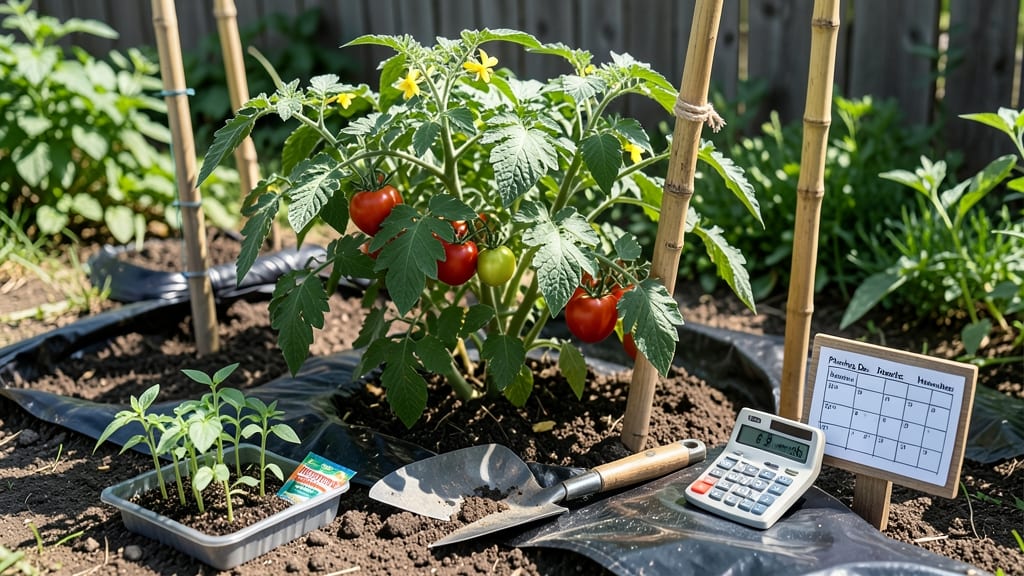
Timing when you can plant tomatoes in Massachusetts can mean the difference between a bountiful harvest and a sad, wilted plant—especially when late frosts linger in Zone 5b-7a.
I’ve learned the hard way that rushing seedlings into cold soil or waiting too long can leave you with nothing but empty vines by summer.
But here’s the good news: with the right schedule, you can start enjoying homegrown 🍅 as early as July, even in cooler regions. The key lies in knowing when to plant—whether you’re transplanting sturdy seedlings or sowing seeds directly—and how to protect them from unpredictable spring weather.
Let’s break down the exact windows and tricks to maximize your success.
Most Massachusetts gardeners wait until mid-May to mid-June for the last frost to pass, but that’s just the starting point. I’ll show you how to extend your season with cold-hardy varieties and simple soil prep that keeps roots happy even when temperatures fluctuate.
No more guessing—just a clear, step-by-step plan tailored to your local climate.
Ready to turn your garden into a tomato powerhouse? We’ll cover everything from soil temperature checks to hardening off seedlings and even how to use row covers for a longer harvest. Let’s get those plants in the ground the right way!
Massachusetts tomato planting calendar: frost dates & best months by region
Massachusetts’ diverse microclimates mean your last frost date could vary by 2-3 weeks from Boston to the Berkshires. Coastal areas like Cape Cod often warm up faster, while inland cities like Worcester may see frost lingering until mid-May.
To maximize your tomato harvest, align planting with your specific region’s average frost dates and soil temperature thresholds.
For transplanting seedlings, aim to plant 2-3 weeks after your area’s last frost date. Direct sowing seeds requires even warmer soil—wait until soil temperatures hit 60°F+.
In USDA Zone 5b (common in western MA), this typically means late May, while Zone 6a (eastern MA) can start as early as mid-May.
Here’s a quick guide to planting windows by region, including soil prep tips to accelerate warmth and extend your season:
If you’re direct sowing seeds, wait until late May to early June—this gives your seedlings time to establish before summer heat arrives. For transplants, start 6-8 weeks before your last frost date indoors under grow lights or in a sunny window.
Pro tip: Use a soil thermometer to confirm temperatures. Tomatoes won’t germinate below 55°F, and growth stalls under 60°F. If your soil is slow to warm, try black plastic mulch or straw bales to raise temperatures by 5-10°F.
For urban gardeners in cities like Boston or Springfield, container planting lets you move pots to sunniest spots or even balconies for extra warmth. Just ensure containers are at least 12 inches deep and use lightweight potting mix to prevent cracking.
Don’t forget: Massachusetts’ short growing season (about 165 frost-free days) demands fast-maturing varieties. If you plant too late, you’ll miss the harvest window before first frost in mid-October. Use row covers or greenhouses to extend your season by 2-3 weeks.
🌱
Soil preparation & pre-planting checklist to maximize tomato growth in MA
Before you plant your tomato seedlings in Massachusetts, preparing your garden soil is just as critical as timing. Tomatoes thrive in well-draining soil with a pH between 6.0 and 6.8.
If your soil is heavy clay or sandy, amending it with compost or aged manure will improve structure and fertility. Start this process 4-6 weeks before planting to give nutrients time to integrate.
Test your soil pH using a simple kit from your local garden center. If the pH is too low (<6.0), add lime to raise it; if too high (>6.8), use sulfur or peat moss to lower it.
Tomatoes also need plenty of orgainc matter, so mix in 2-3 inches of compost or well-rotted manure into the top 12 inches of soil.
🌱 Pre-Planting Checklist for Tomatoes in MA
- ✅ Test soil pH (aim for 6.0-6.8)
- ✅ Amend with compost (2-3 inches mixed in)
- ✅ Remove weeds and debris from planting area
- ✅ Add mulch (straw or black plastic) to warm soil
- ✅ Space plants 18-24 inches apart for airflow
- ✅ Install cages or stakes before transplanting
For urban gardeners or those with container gardening setups, use a high-quality potting mix blended with perlite or vermiculite for drainage. Containers should have drainage holes and be at least 12-18 inches deep to accommodate root growth.
If planting in raised beds, ensure they’re filled with a mix of topsoil, compost, and perlite in equal parts.
One often-overlooked step is warming the soil faster, especially in cooler MA regions. Use black plastic mulch or row covers to raise soil temperatures by 5-10°F, helping seedlings establish quicker. This is particularly useful if you’re planting early in late April or May when nights can still dip below freezing.
Companion planting can also boost tomato health. Pair them with basil, marigolds, or onions to deter pests like aphids and hornworms. Avoid planting near brassicas (cabbage family) or corn, as they compete for nutrients. If space is limited, prioritize basil—it improves flavor and repels insects naturally.
Finally, harden off your seedlings for 7-10 days before transplanting. Gradually expose them to outdoor conditions during the day while bringing them in at night. This acclimation process reduces transplant shock and helps plants adjust to MA’s variable spring weather.
With the right soil prep, your tomatoes will have the best start for a bountiful harvest.