
Planting
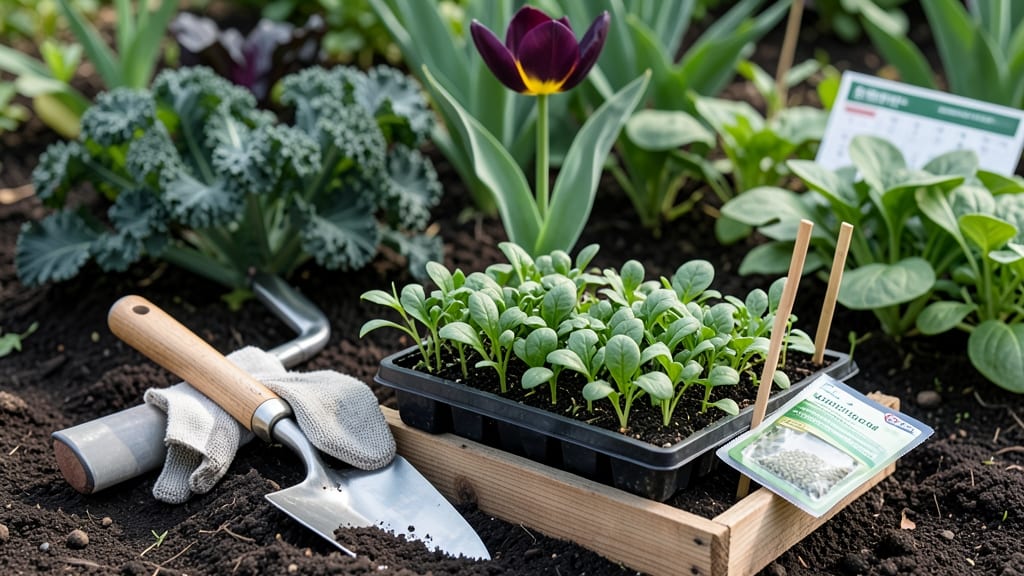
Timing your Ohio garden just right means the difference between a thriving harvest and wasted seeds—because planting too early can kill tender 🌱 Garden Vegetables (General) in a late frost, while waiting too long cuts your growing season short.
Ohio’s USDA Zone 6a climate demands precision: most gardeners aim for mid-April to mid-May, but even a week off can mean the difference between success and disappointment. The key? Knowing your last frost date—typically around April 15—and adjusting for your specific corner of the state.
In this guide, I’ll break down the exact planting windows for Ohio’s most popular crops, share tricks to extend your season, and help you avoid common mistakes that derail even the most eager gardeners.
Whether you’re a first-timer or a seasoned grower, mastering these dates will give you the confidence to plant with purpose—and reap the rewards all summer long.
Ohio’s frost-free planting zones: when to plant by USDA hardiness Zone
Ohio spans USDA Hardiness Zones 5a to 6b, meaning planting dates vary dramatically from northern Cleveland (Zone 5b) to southern Cincinnati (Zone 6b). The last spring frost typically arrives between April 15 and May 15, while the first fall frost hits October 15 to November 1.
These dates determine your frost-free growing season, which ranges from 120 to 150 days across the state.
Cool-season crops like lettuce and peas can handle light frosts, while tomatoes and peppers need warm soil and air temperatures. In Zone 5a (northwest Ohio), wait until May 1 for warm-season plants, but in Zone 6b (southwest Ohio), you can plant as early as April 15.
Always check your local Almanac’s frost date—it’s your best guide.
Here’s how Ohio’s zones break down for planting:
| Zone | Last Frost Date | First Planting (Cool-Season) | First Planting (Warm-Season) | Frost-Free Days |
|---|---|---|---|---|
| 5a (e.g., Toledo) | May 1 | March 15–April 1 | May 15 | 120–130 |
| 5b (e.g., Cleveland) | April 25 | March 20–April 10 | May 1 | 130–140 |
| 6a (e.g., Columbus) | April 15 | March 1–April 1 | April 20 | 140–150 |
| 6b (e.g., Cincinnati) | April 1 | February 28–March 15 | April 10 | 150–160 |
For cool-season crops like kale, spinach, and carrots, start seeds indoors 4–6 weeks before your last frost date. In Zone 5a, that means mid-February, while Zone 6b gardeners can begin in late January.
These early starts give you a 6–8 week head start on the growing season.
Warm-season crops like tomatoes, peppers, and cucumbers need soil temperatures above 60°F. Use a soil thermometer to check—if it’s below that, wait.
In northern Ohio, this often means waiting until late May, while southern Ohioans can plant by mid-April. Transplant shock is less likely if you harden off seedlings first.
Ohio’s microclimates add another layer of complexity. Urban areas like Columbus may experience heat islands, allowing earlier planting, while rural Appalachian regions can have later frosts. Always scout your garden for low spots—they’re the last to warm up in spring.
Pro tip: Use frost cloth to protect tender seedlings if a late frost is forecast. It’s better to delay planting than risk losing your $3 seed packets to a 28°F night. Even Zone 6b isn’t immune to late frosts—2020’s April freeze caught many gardeners off guard.
For perennials and shrubs, plant in early spring (April) or fall (October) when the soil is workable but not frozen. Bare-root plants need immediate watering, while container-grown perennials can wait until soil warms. Mulch heavily after planting to retain moisture and regulate soil temperature.
Remember: Ohio’s growing season is short, so succession planting is key. After harvesting early lettuce in June, replant with bush beans or radishes to maximize your space. This strategy adds 30–50 extra days of harvests to your garden calendar.
🌱
Best planting schedule for Ohio’s most popular vegetables (with frost alerts)
Ohio’s 120–150-day growing season means timing is critical—plant too early and frost zaps seedlings, too late and you miss harvests. My month-by-month schedule aligns with Ohio’s last frost dates (mid-April in southern zones to early May in northern areas) and warns about late frosts that can hit even in May.
For example, Columbus (Zone 6a) averages its last frost on April 15, while Toledo (Zone 5b) often waits until May 1.
Start with cool-season crops like lettuce and peas in early April (use row covers if frost threatens). These hardy veggies tolerate light frosts and even thrive when soil temps hit 40°F.
By late April to early May, shift to warm-season staples such as tomatoes, peppers, and cucumbers—wait until soil warms to 60°F+ and nighttime temps stay above 50°F.
Key frost alerts: Northern Ohio (e.g., Cleveland) can see late frosts into May 10–15, so delay planting tomatoes and peppers until after May 15. Southern Ohio (e.g., Cincinnati) is safer by April 20, but always check local frost forecasts—I’ve lost entire tomato starts to a May surprise frost!
🌱 Ohio Vegetable Planting Timeline by Month
- 📅 April (Early): Sow lettuce, spinach, peas, radishes (hardy to 28°F). Use row covers if frost predicted.
- 📅 April (Late): Plant onions, carrots, beets. Start tomato/pepper seeds indoors (transplant after last frost).
- 📅 May (Early): Direct-sow beans, corn, cucumbers, squash. Transplant tomatoes/peppers after soil warms to 60°F.
- 📅 May (Late): Succession-sow lettuce, bush beans for fall harvests. Plant pumpkins, winter squash.
- 📅 June: Last chance for late-season crops (e.g., green beans, zucchini). Start fall broccoli, cabbage indoors.
Pro tip: Use Ohio State University’s frost date maps (linked in my resources) to adjust for your exact location.
For example, Youngstown (Zone 5b) often needs to wait 2 weeks longer than Dayton (Zone 6a) for warm-season crops. Succession planting every 2 weeks after your last frost date ensures a continuous harvest—try this with lettuce or radishes for fresh greens all summer.
Watch for false springs, where warm weather lures you into planting early, only for a late frost to strike. I’ve seen 70°F days in March followed by 20°F nights—devastating for tender seedlings. Harden off plants gradually and keep frost cloth handy for tomatoes and peppers until mid-June.
For fall planting, aim for broccoli, kale, and carrots by July 15–August 1, giving them 60–90 days to mature before first frost (October 15). Use row covers to extend harvests into November for hearty greens like spinach.