
Plants
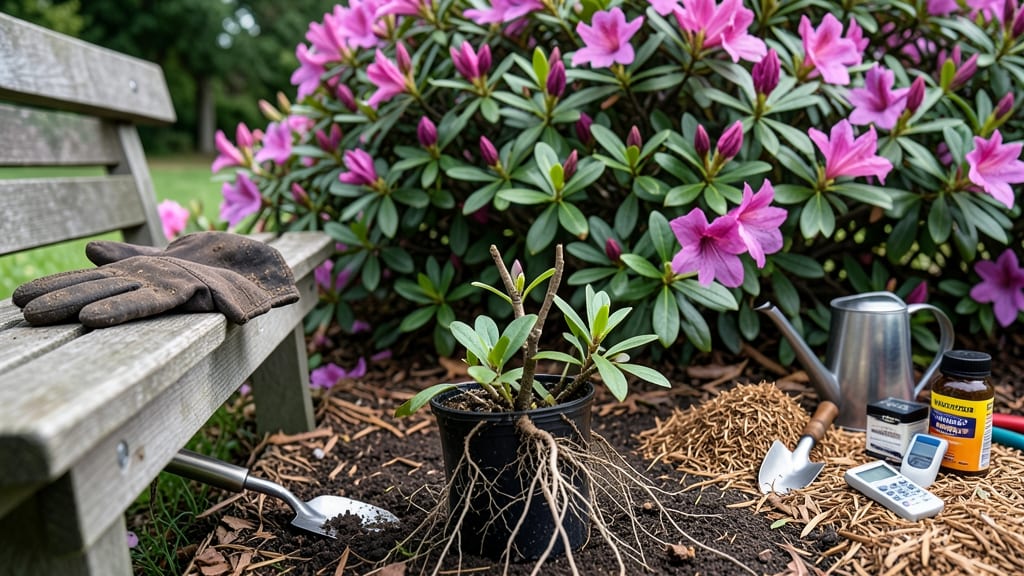
Planting azaleas in Florida at the wrong time could mean losing those stunning 🌸 blooms before they even begin—especially when frost sneaks in unexpectedly.
Unlike northern climates, Florida’s frost-free zones (8a-11) give you a longer window, but timing still matters to help roots establish before summer’s brutal heat or winter’s rare cold snaps.
If you’ve ever wondered why some azaleas thrive while others struggle, the answer lies in the best months to plant based on your specific Florida zone.
Whether you’re in the Panhandle’s cooler pockets or Miami’s steamy microclimate, knowing when to dig in the soil can mean the difference between a showstopping spring display and a sad, wilted shrub.
In this guide, I’ll break down the ideal planting windows—fall and early spring—for Florida’s two blooming seasons, plus how to prep soil and care for your azaleas post-planting. You’ll discover why bare-root plants in October often outperform container-grown ones in April, and how to adjust for Florida’s unpredictable weather.
Ready to grow azaleas that bloom like crazy year after year? Let’s dive into the exact steps to plant them right, so you can enjoy those vibrant flowers without the guesswork.
Optimal Florida azalea planting months by hardiness zone (avoid these deadly mistakes)
Florida’s USDA zones 8a-11 create a unique challenge for azalea growers—too early, and your plants face summer’s brutal heat; too late, and they struggle to establish roots before winter’s rare cold snaps. The sweet spot for planting lies in two windows: late fall (September-November) and early spring (February-March).
In North Florida (zones 8a-8b), where frosts can still occur, aim for October-November planting to give roots time to settle before winter. Meanwhile, South Florida (zones 9a-11) gardeners have more flexibility, but even here, September-October is ideal to avoid summer’s intense heat stress.
Here’s the breakdown you need to plant azaleas successfully in Florida’s diverse climate:
| Zone | Best Planting Window | Avoid Planting | Key Consideration |
|---|---|---|---|
| 8a (Panhandle) | October-November | April-July (heat stress) | Frost risk until mid-January |
| 8b (North FL) | September-November | May-August (drought) | Prepare for light frosts |
| 9a (Central FL) | September-October | June-July (extreme heat) | Humidity spikes in summer |
| 9b (South FL) | August-September | December-February (cool temps) | Hurricane season timing |
| 10a-11 (Miami) | Year-round (best Sept-Oct) | None (but avoid peak summer) | Partial shade essential |
The fall planting window (September-November) is my top recommendation for most Florida gardeners. Why? Because cooler temperatures reduce transplant shock, and the plants establish roots before summer’s heat arrives. For bare-root azaleas, fall is especially critical—they need time to develop roots before Florida’s intense growing season begins.
If you must plant in spring, stick to February-March in North Florida or January-February in South Florida. Planting after March risks heat stress, particularly in zones 9a-11 where temperatures can exceed 90°F (32°C) by April.
Always check the 10-day forecast before planting—avoid times when temperatures will exceed 85°F (29°C) for more than 2-3 days.
For container-grown azaleas, you have slightly more flexibility, but timing still matters. Plant them when the soil temperature is below 80°F (27°C)—this usually means September-October in most of Florida. Container plants are more adaptable to heat but still benefit from cooler soil for root establishment.
Pro tip: If you’re in South Florida (zones 9b-11), you can plant azaleas almost year-round, but the best success rate comes from planting in September-October. This timing avoids both summer’s heat and winter’s rare cool snaps that can damage tender new growth.
Always choose evergreen varieties for these zones—they handle humidity better than deciduous types.
Remember, Florida’s microclimates can vary dramatically even within short distances. A garden in Gainesville (zone 8b) might experience frosts, while one just 50 miles south in Ocala (zone 9a) won’t. Always check your local frost dates and adjust planting accordingly.
For most Floridians, October 15 is a safe bet for fall planting—cool enough for root growth but warm enough to avoid frost risk in most zones.
Once you’ve chosen your planting window, soil prep becomes just as critical as timing. Azaleas thrive in acidic, well-draining soil (pH 4.5-6.0). If your soil is alkaline, amend it with peat moss or sulfur before planting.
Mulch with pine bark or pine needles to maintain acidity and retain moisture—this is non-negotiable in Florida’s hot, dry summers.
How to time azalea planting for Florida’s unpredictable weather patterns
Florida’s weather is famously unpredictable—one day it’s scorching, the next it’s pouring, and then suddenly, a cold front rolls in. For azaleas, this means timing your planting isn’t just about the calendar; it’s about reading the weather forecast and adjusting your schedule.
Unlike northern states, where frost is the main concern, Florida’s biggest threats are summer heat stress and humidity spikes that can suffocate young roots.
If you’ve ever planted azaleas in Florida only to see them wilt under summer’s intensity or struggle during unexpected cool snaps, you’re not alone. The key is to plant when soil temperatures stay below 80°F (27°C) and avoid periods of extreme weather.
For most of Florida, this means focusing on September-October for fall planting and February-March for spring planting, but even these windows require flexibility.
Here’s how to adjust your planting schedule based on Florida’s most common weather challenges:
- 🌡️ Watch for heatwaves: If temperatures are forecasted to exceed 85°F (29°C) for more than 3 days after planting, delay until conditions cool. Use a soil thermometer to check temperatures—ideal planting soil should be 60-75°F (15-24°C).
- 🌧️ Avoid hurricane season: Planting during June-November increases risks of storm damage. If you must plant in late summer, choose container-grown azaleas for easier relocation if a storm hits.
- ❄️ Prepare for cold snaps: Even in South Florida, unexpected 40°F (4°C) nights can damage tender azalea roots. Plant 2-3 weeks before the first frost date for your zone to allow root establishment.
For North Florida gardeners (zones 8a-8b), timing is even more critical. Plant in October-November to give roots time to settle before winter’s occasional frosts. If you’re in Central Florida (zone 9a), aim for September-October to avoid summer’s humidity and heat.
Meanwhile, South Florida (zones 9b-11) offers more flexibility, but even here, September is ideal—it’s cool enough for root growth but warm enough to avoid winter’s rare chilly spells.
Once you’ve planted, your work isn’t done. Florida’s post-planting care is just as important as timing. After planting, water deeply (1-2 gallons per plant) to settle the soil and encourage root growth. Use a mulch layer of pine bark or pine needles to retain moisture and maintain soil acidity.
Avoid fertilizing for the first 6-8 weeks—new plants need time to adjust before they can handle extra nutrients.
If you’re planting in spring, stick to February-March in North Florida or January-February in South Florida. Planting later risks heat stress, especially in zones 9a-11 where April temperatures can soar.
Always check the 10-day forecast before planting—if highs are predicted to exceed 85°F (29°C), delay until conditions improve.
Pro tip: If you’re unsure about timing, container-grown azaleas give you more flexibility. They can be planted almost year-round in South Florida, but still benefit from cooler soil temperatures. For bare-root azaleas, fall planting is non-negotiable—they need time to develop roots before Florida’s intense growing season begins.