
Plants
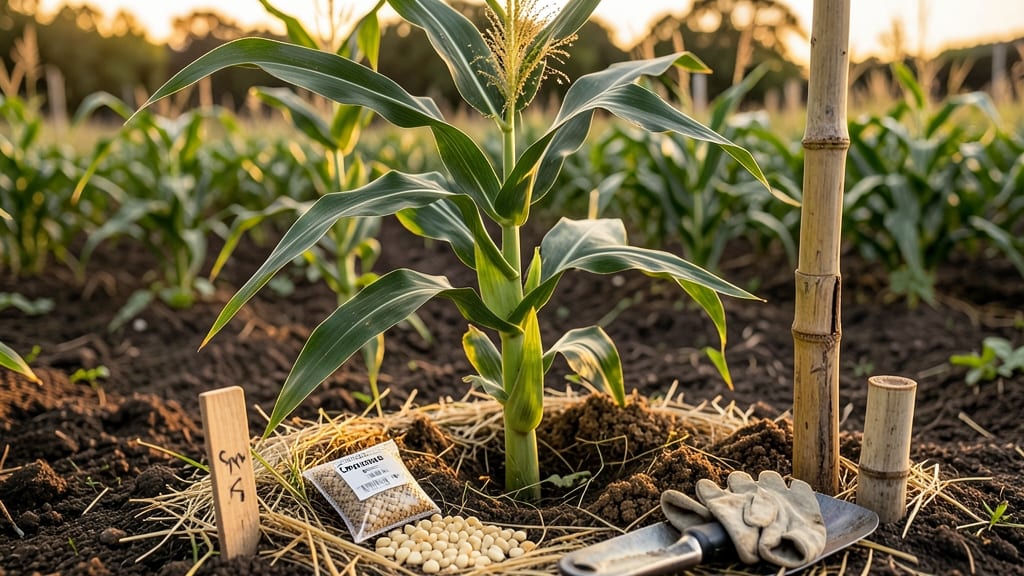
Timing your corn planting in Colorado wrong can mean the difference between a bumper crop of sweet 🌽 and a sad, stunted harvest—especially when your elevation swings from 5,000 feet to over 10,000 feet.
The last frost date isn’t one-and-done here; it shifts dramatically depending on whether you’re on the Front Range or the Western Slope, and waiting until the soil hits 60°F is non-negotiable for strong germination.
Most gardeners in zones 5-7 assume mid-April is their cue, but that’s only true for lowland areas. Higher up? You’re looking at early June—or risking chilly soil that stalls growth.
I’ve seen firsthand how a one-week delay can turn a promising patch into a disappointment, so let’s break down the exact windows for your specific altitude to maximize those plump, juicy ears.
Here’s the game-changer: Colorado’s microclimates mean your neighbor’s perfect harvest schedule might not work for you. Whether you’re in Denver’s urban gardens or a mountain valley, we’ll cover the ideal maturity groups, frost risk charts, and even how to stretch your growing season if needed.
No more guessing—just data-backed dates to ensure your corn thrives from seed to silks.
Ready to plant with confidence? I’ll walk you through everything—from soil prep to variety selection—so you can enjoy homegrown corn from late July straight through September. Let’s get those kernels popping!
Colorado corn planting dates by altitude zone (with frost risk charts)
Colorado’s three distinct altitude zones create dramatic differences in corn planting windows—lowland plains have 150+ frost-free days, while high mountain valleys may only offer 90 days.
This means planting sweet corn in Denver (5,280 ft) follows a completely different schedule than in Grand Junction (4,450 ft) or Leadville (10,152 ft). Let’s break down the ideal planting dates, soil temperature thresholds, and maturity group selections for each zone.
For all zones, the golden rule is: Wait until soil temperatures consistently reach 50°F+ at a depth of 4 inches. Corn seeds won’t germinate below 55°F, and cold, wet soil invites seed rot.
Use a soil thermometer to track temperatures—this is more reliable than air temperature alone. Most Colorado gardeners aim for mid-April to early June plantings, but your exact window depends on elevation and microclimate.
🌽
In lowland plains (e.g., Fort Collins, Pueblo), you can start sowing sweet corn as early as late April, but avoid planting before April 15 unless you’re using black plastic mulch to warm the soil.
For foothills regions (e.g., Boulder, Colorado Springs), wait until mid-May to ensure soil stays above 60°F—cold soil delays germination by 1–2 weeks and increases disease risk.
High-altitude growers (above 7,000 ft, like Fort Collins’ nearby mountains) face the toughest challenge: short growing seasons. Here, choose early-maturing varieties (e.g., ‘Early Sunglow’ (68 days)) and plant no later than mid-June to avoid fall frosts.
Some gardeners extend the season with row covers or greenhouses, but corn is sensitive to chilling injury—even young plants can suffer if nighttime temps drop below 50°F.
Pro tip: Check the Colorado State University Extension’s frost probability maps (available [here](https://www.cses.colostate.edu)) for your specific location. These maps predict last frost dates with 80% accuracy and help you fine-tune your planting schedule.
For example, Grand Junction averages its last frost on March 20, while Steamboat Springs doesn’t see its last frost until May 15.
Another critical factor is corn maturity groups. In Colorado, short-season varieties (45–70 days) are essential for high-altitude zones, while mid-season (70–90 days) works for foothills. Lowland plains can handle long-season (90–110 days) varieties like ‘Peaches and Cream’.
Always calculate your frost-free days and subtract the variety’s maturity date—you need at least 10–14 days of buffer before the first fall frost.
🌡️
If you’re unsure about your local frost dates, use the USDA Plant Hardiness Zone Map as a starting point, but remember: microclimates matter more. A south-facing slope in Denver might be 5°F warmer than a north-facing urban garden just blocks away.
For urban gardeners, consider container growing—black pots absorb heat and can extend the growing season by 1–2 weeks compared to in-ground planting.
Finally, avoid the 5 biggest mistakes Colorado corn growers make: planting too early in cold soil, ignoring soil temperature, choosing the wrong maturity group, skipping soil prep, or crowding plants. We’ll cover these pitfalls—and their fixes—in the next section.
For now, bookmark your local frost date, grab a soil thermometer, and mark your calendar for your zone’s ideal planting window!
How to adjust your corn planting for Colorado’s microclimates (and avoid common mistakes)
Colorado’s microclimates create unique challenges for corn growers. In Denver’s urban gardens, you might plant in late April, while high-altitude farms near Leadville wait until early June. The key is adjusting for your specific conditions—whether it’s wind exposure, soil warmth, or short growing seasons.
I’ve learned the hard way that ignoring these factors leads to stunted plants or premature frost damage.
For example, the Front Range typically sees last frost dates around April 15-30, but soil may still be too cold for germination. Meanwhile, the Western Slope can be 2-3 weeks earlier.
The mistake? Assuming your neighbor’s schedule applies to you. Let’s fix that with practical adjustments tailored to your microclimate.
⚠️ CRITICAL MISTAKE #1: PLANTING TOO EARLY IN COLD SOIL
Corn seeds need soil temperatures of at least 60°F to germinate properly. Planting in 50°F soil (common in April for high-altitude areas) causes weak seedlings and poor root development. Use a soil thermometer—wait until the ground consistently hits 60°F before sowing.
⚠️ CRITICAL MISTAKE #2: IGNORING CHILLING INJURY RISKS
Even after germination, temperatures below 55°F can stunt corn growth. In windy plains like the Eastern Plains, young plants need protection. Try row covers or plant near windbreaks until plants reach 12 inches tall.
Here’s how to adapt your planting for Colorado’s three main microclimates. For urban gardens (e.g., Denver, Colorado Springs), aim for late April to mid-May when soil warms. Use black plastic mulch to speed up soil heating by 5-10°F.
In windy plains (e.g., Eastern Plains), plant in early May and space rows 36 inches apart to reduce wind damage.
High-altitude farms (above 8,000 feet) face the toughest challenges. Here, early June planting is often necessary, but choose short-season varieties (60-70 days to maturity) like ‘Early Sunglow’ or ‘Golden Bantam’.
Extend your season with row covers or plant near south-facing structures to capture extra warmth. I’ve seen corn thrive at 9,000 feet with these adjustments!
Another common mistake is overcrowding plants to save space. While it might seem efficient, corn needs 12-18 inches of space per plant for proper ear development. Thin seedlings to avoid fungal diseases and poor yields.
And remember: water deeply in the morning—Colorado’s dry winds evaporate moisture quickly, especially in July and August.
Finally, don’t forget to rotate crops if you grow corn yearly. Colorado’s soil can deplete nitrogen and phosphorus quickly. Add compost or aged manure before planting, and consider cover crops like clover in the off-season to replenish nutrients.
With these adjustments, you’ll avoid the top 5 mistakes and enjoy sweet, homegrown corn from your Colorado garden! 🌽