
Plants
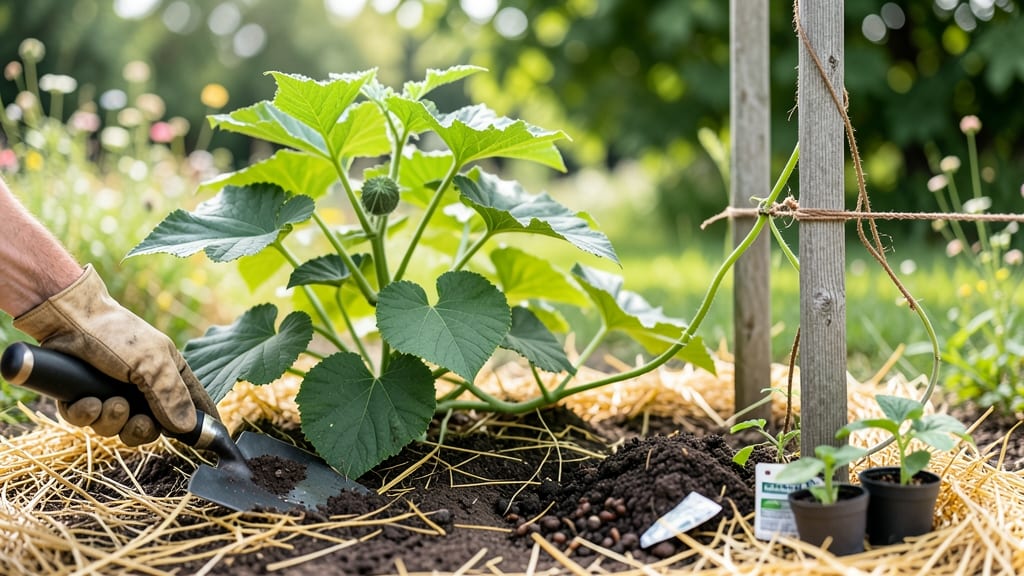
Planting cucumbers in Florida isn’t just about throwing seeds into the dirt—it’s about timing everything perfectly to avoid bolting, where your plants flower and fruit too early, leaving you with bitter harvests.
With 300+ frost-free days in most zones, you’ve got two prime windows to work with, but getting it wrong means wasted effort and disappointment.
Most gardeners in Florida’s 9a-11 zones swear by planting cucumbers between February and March for spring harvests, but that’s just the start. If you miss this window, you can still try again in July-August for a fall crop—but without the right prep, your plants might bolt before they even produce.
The key is knowing when soil temperatures hit that sweet spot of 60°F and how to protect young plants from sudden heat spikes.
I’ve grown cucumbers in Florida for years, and I’ve learned the hard way that rushing the process leads to small, seedy, or bitter fruits.
Whether you’re direct-sowing or transplanting, the right timing paired with proper soil prep and shade protection can mean the difference between a bountiful harvest and a failed patch. Let’s break down the exact weeks to plant and how to keep your cucumbers thriving from seed to table.
From succession planting to avoiding common pitfalls, this guide will help you maximize your yield without the stress. No more guessing—just proven strategies tailored to Florida’s climate. Ready to grow cucumbers that actually taste fresh and crisp?
Best planting weeks for cucumbers in Florida by region (avoid bolting)
Florida’s frost-free climate means you can grow cucumbers year-round, but timing matters to prevent bolting (premature flowering). The key? Plant when soil temps hit 60°F+ and avoid extreme summer heat. Here’s your region-specific schedule to maximize yields.
North Florida (Zones 8a-9a) has cooler winters and occasional frost risks, while South Florida (Zones 10a-11) enjoys year-round warmth. Central Florida (Zone 9b) splits the difference. Let’s break it down by season and region to avoid wasted effort.
🌱 Did You Know? Cucumbers planted too early in Florida’s heat can bolt in just 2-3 weeks, ruining your harvest. South Florida’s July-August window is riskier than spring.
| Region | Best Planting Weeks | Soil Temp Threshold | Heat Tolerance Tip |
|---|---|---|---|
| North Florida | Feb 15 - Mar 15 (Spring) Jul 1 - Jul 15 (Fall) |
60°F+ (15°C+) | Use shade cloth in summer; opt for heat-tolerant varieties like 'Straight Eight'. |
| Central Florida | Jan 15 - Feb 15 (Spring) Aug 1 - Aug 15 (Fall) |
65°F+ (18°C+) | Prioritize morning watering to cool roots; avoid planting after 90°F+ soil temps. |
| South Florida | Year-round (best: Sep-Nov) | 70°F+ (21°C+) | Plant in partial shade during peak summer; choose dwarf varieties like 'Bush Champion'. |
🌡️ Pro Tip: Use a soil thermometer—60°F is the magic number for germination.
For North Florida gardeners, spring planting (February-March) aligns with rising soil temps, while fall (July-August) offers a second chance before summer’s peak. Central Florida’s slightly warmer climate lets you start earlier, but avoid planting after June 15—the heat will stress seedlings.
South Florida’s year-round potential is a game-changer, but September-November is ideal. This window avoids the brutal summer humidity and pest pressure that can decimate cucumber plants. If you’re in Miami or Key West, you can even try winter plantings (December-January) with shade protection.
Regardless of region, soil temperature trumps calendar dates. Test your soil with a thermometer—if it’s below 60°F, wait. Cold soil slows germination and invites fungal diseases. In Florida’s heat, 75°F+ soil can cause bolting within 10 days, so adjust your schedule accordingly.
Another critical factor? Variety selection. Heat-tolerant types like 'Southern Vining' or 'Suyo Long' thrive in Florida’s summer, while cooler-season varieties like 'Marketmore' excel in spring. Match your planting window to the variety’s needs—this is how Florida gardeners avoid wasted effort.
💡 Light Tip: Cucumbers need 6-8 hours of sun daily, but in South Florida’s summer, afternoon shade (30-50%) can prevent bolting. Use drip irrigation to keep foliage dry and reduce disease risk.
Finally, don’t overlook succession planting. In North Florida, stagger plantings every 2-3 weeks from February to April for a continuous harvest. South Florida gardeners can repeat this in fall (August-October) to extend yields into November.
Bolting isn’t just about timing—it’s about environmental balance. By following these region-specific windows and adjusting for soil temp, heat, and variety, you’ll turn Florida’s long season into a cucumber-growing powerhouse. 🥒
Best planting weeks for cucumbers in Florida by region (avoid bolting)
Florida’s frost-free climate means you can grow cucumbers year-round, but timing still matters to prevent bolting—when plants flower too early and produce bitter fruit. The key is planting when soil temperatures stay above 60°F and daytime highs are 75-85°F. Here’s the breakdown by region to maximize your harvest.
North Florida (Zones 8a-9a) has cooler winters, so focus on spring and fall plantings. Central Florida (Zones 9a-9b) enjoys mild winters, allowing year-round growth with careful planning. South Florida (Zones 10a-11) can plant anytime, but summer heat requires extra care to avoid stress.
| Region | Best Planting Weeks | Soil Temp Threshold | Key Tip |
|---|---|---|---|
| North Florida | Feb 15 - Mar 15 (spring) / Aug 1 - Sep 1 (fall) | 60°F+ (spring) / 70°F+ (fall) | Use black plastic mulch to warm soil faster in spring. |
| Central Florida | Jan 1 - Feb 15 (spring) / Jul 15 - Aug 30 (fall) | 65°F+ (spring) / 75°F+ (fall) | Plant shade-tolerant varieties like 'Straight Eight' for summer. |
| South Florida | Year-round (peak: Feb-Mar & Aug-Sep) | 70°F+ (minimum) | Provide afternoon shade in summer to prevent bolting. |
For direct sowing, plant seeds ½-inch deep in hills spaced 3-4 feet apart. If transplanting seedlings, wait until they’re 3-4 inches tall and harden them off for 3-5 days before moving to the garden. This reduces transplant shock, especially in North Florida’s cooler springs.
Watch for soil temperature spikes—if it rises above 90°F, cucumbers may bolt. Use shade cloth (30-50%) during peak summer afternoons in Central and South Florida. Mulch with straw or grass clippings to keep roots cool and retain moisture, which is critical during Florida’s dry season (Dec-Apr).
Pro tip: Plant bush varieties like 'Bush Champion' in containers for patios or small spaces. They bolt 2-3 weeks later than vining types, giving you extra time to enjoy fresh cucumbers. Just ensure containers have drainage holes and are at least 12 inches deep.
🌱