
Plants
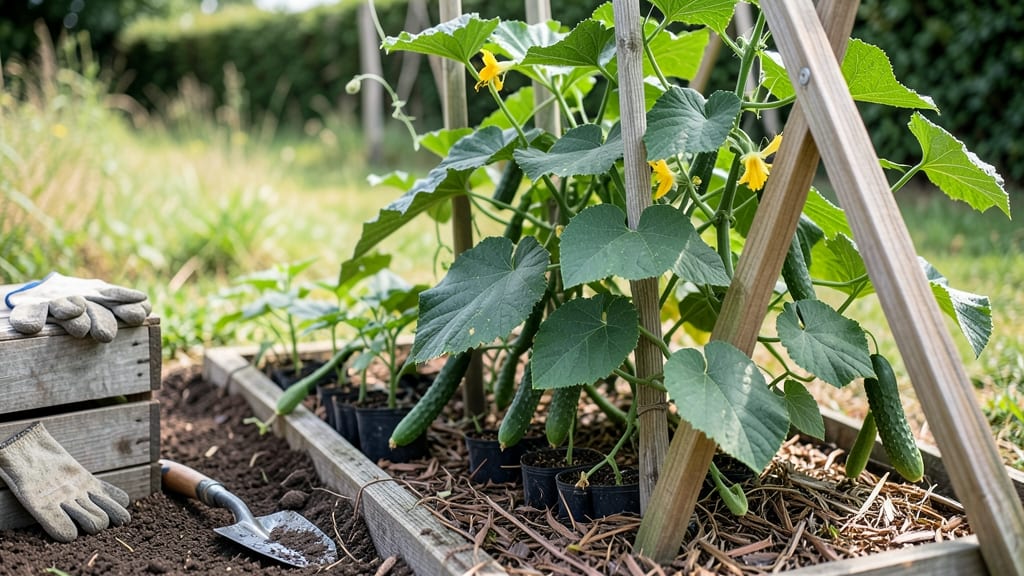
Planting cucumbers in Texas isn’t just about throwing seeds into the dirt—it’s about outsmarting the state’s brutal heat and unpredictable frost. Get the timing wrong, and you’ll either lose your plants to early freezes or watch them wilt under summer’s scorching sun.
The key to a thriving 🥒 harvest lies in knowing exactly when to start, whether you’re in the cooler Hill Country or the sweltering Rio Grande Valley.
Most Texas gardeners swear by waiting until after the last frost, typically mid-March to early April in North Texas, but the real secret is adjusting for your specific heat zone.
In South Texas, where frost is rare, you can plant as early as February, while Central Texas gardeners often wait until late April to avoid heat stress. The goal? Give your cucumbers a head start in warm soil before the mercury climbs too high.
But here’s where it gets tricky: even the best-laid plans can go awry if you don’t account for Texas’ unpredictable weather shifts.
That’s why I’ll break down the exact planting windows for each zone, plus pro tips for extending your season—whether you’re using row covers for early starts or shade cloth to protect plants during peak summer. Ready to turn your backyard into a cucumber powerhouse?
Let’s dive into the strategies that’ll help you beat the heat, avoid common mistakes, and enjoy a continuous harvest of crisp, vine-ripened cucumbers all season long. No more guessing—just proven techniques tailored for Texas gardens.
Texas cucumber planting deadlines by heat zone (avoid frost & heat stress)
Texas gardeners face a unique challenge with cucumbers: frost in the north and scorching summer heat in the south. The state's 12 heat zones (A-J) create wildly different planting windows. Get this wrong, and you'll either lose seedlings to late frosts or watch your plants bolt from the heat.
Let's break down the exact deadlines for each zone to ensure your cucumbers thrive.
First, know your zone: North Texas (A-B) has harder frosts, while South Texas (I-J) rarely sees frost at all. Even within zones, elevation matters—higher areas like the Hill Country (C-D) get cooler nights.
My rule of thumb? Plant after soil warms to 60°F and never after June 1 in most zones, or your plants will suffer heat stress.
🌱 Texas Cucumber Planting Deadlines by Heat Zone
| Zone | Last Frost Date | Ideal Planting Window | Heat-Tolerant Varieties | Missed Deadline? |
|---|---|---|---|---|
| A (Panhandle) | March 15 | April 15-May 1 | 'Straight Eight', 'Lemon' | Use row covers |
| B (North) | March 1 | April 1-May 15 | 'Diva', 'Sweet Success' | Cold frame for early starts |
| C (Central) | February 15 | March 15-April 30 | 'Marketmore 76', 'Armenian' | Shade cloth for summer |
| D (Hill Country) | February 1 | March 1-April 15 | 'Sweet Slice', 'Tasty Green' | Drip irrigation essential |
| E (East) | January 15 | February 15-March 30 | 'Straight Eight', 'Boston Pickling' | Succession plant every 2 weeks |
| F (Gulf Coast) | None (rare frost) | February 1-April 1 | 'Sweet Success', 'Diva' | Plant in partial shade |
| G-J (South) | None | January 15-March 15 | 'Lemon', 'Armenian' | Use shade cloth 30% |
Notice how North Texas (A-B) has later planting deadlines due to frost risk, while South Texas (F-J) can plant year-round with protection. My top recommendation? For zones A-D, start seeds indoors
How to extend your Texas cucumber season with smart techniques
Texas summers are long and relentless, but with the right strategies, you can enjoy fresh cucumbers well beyond the typical growing window. The secret lies in protecting your plants from early frost and scorching heat—two of Texas’ biggest challenges.
By using tools like cold frames, row covers, and shade cloth, you can push your harvests earlier in spring or later into fall, even in the hottest zones.
I’ve tested these techniques in my own garden, and the results speak for themselves: continuous harvests from March through October. Whether you’re in North Texas with its unpredictable freezes or South Texas where heat lingers year-round, these methods will help you beat the extremes and keep your vines productive.
5 Proven Ways to Extend Your Texas Cucumber Season
- 🌱 Cold Frames: Start seeds 4-6 weeks earlier than usual by using a cold frame to trap heat. Ideal for North Texas gardeners who face late frosts.
- 🌡️ Row Covers: Protect young plants from light frosts (down to 28°F) and extend fall harvests. Remove during pollination for bees to access flowers.
- ☀️ Shade Cloth (30-50%): Shield plants from 100°F+ heat in South Texas. Use during peak afternoon sun to prevent bolting and bitter fruit.
- ⏰ Succession Planting: Sow new seeds every 2 weeks from April to July. Ensures a steady supply of fresh cucumbers when older plants fade.
- 🌿 Heat-Tolerant Varieties: Choose ‘Straight Eight’ or ‘Arkansas Little Leaf’ for South Texas. North Texas gardeners should opt for ‘Marketmore 76’ for cooler springs.
One of my favorite tricks is using succession planting to keep the harvest going nonstop. Instead of planting all your seeds at once, stagger them every 2 weeks from April through July.
This way, when the first batch starts to slow down in August’s heat, the next wave is already thriving. It’s a game-changer for avoiding gaps in your harvest.
For summer protection, I swear by shade cloth. In my South Texas garden, temperatures often hit 105°F, and without shade, my cucumbers bolt within days. A 30% shade cloth reduces soil temperatures by up to 15°F and keeps the plants from producing bitter fruit.
Just remember to secure it tightly—Texas winds can tear it apart if you’re not careful!
Don’t overlook the power of cold frames for early starts. In North Texas, where frost can linger until March, a cold frame lets me plant seeds as early as February. The frame traps heat during the day and insulates at night, giving seedlings a head start.
I’ve even had success overwintering cucumbers in a well-insulated frame, though they’ll need extra care in true freezes.
Finally, choose your varieties wisely. In my trials, ‘Straight Eight’ consistently outperformed other types in South Texas, while ‘Marketmore 76’ thrived in Central Texas’ cooler springs. Always pick disease-resistant varieties like ‘Southern Vining’ to avoid common Texas issues like powdery mildew.