
Plants
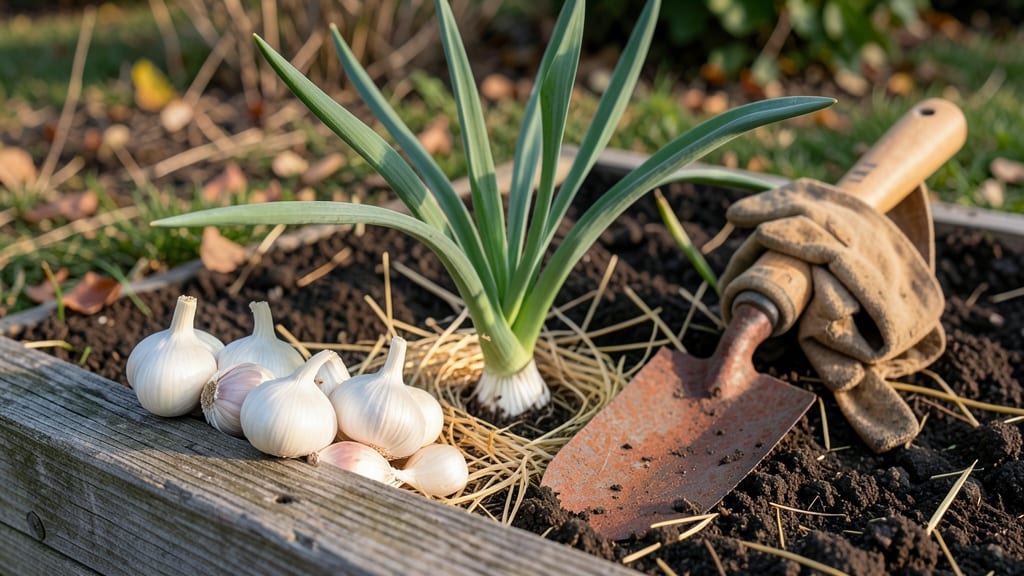
If you’ve ever planted garlic in Pennsylvania only to watch your harvest fall short, you’re not alone—timing is the secret to growing those plump, flavorful bulbs we all love.
The key lies in planting your 🧄 6-8 weeks before the ground freezes, a window that shifts slightly depending on whether you’re in the cooler 5b zones or the milder 7a regions.
Most gardeners in Pennsylvania rush to plant too late, missing the sweet spot when soil temps hover between 40-50°F. This temperature range triggers the root growth that sets the stage for next summer’s harvest.
But here’s the catch: planting too early—like in September—can lead to weak roots, while waiting until December might leave your garlic vulnerable to winter’s harshest freezes.
In this guide, I’ll break down the exact fall planting dates for your specific zone, plus pro tips to ensure your garlic thrives through Pennsylvania’s unpredictable winters.
Whether you’re growing hardneck varieties for braiding or softneck for long storage, these strategies will help you avoid common mistakes and maximize your yield.
Ready to transform your garlic game? Let’s dive into the perfect planting window, soil prep secrets, and care steps that’ll have you harvesting late June to July with bulbs bigger than ever before.
Best fall planting dates for garlic in Pennsylvania by climate zone
Pennsylvania’s diverse climate—spanning USDA Zones 5a to 7b—means your garlic planting window can vary by 2-3 weeks depending on where you live. In colder northern zones like Erie, aim for early October, while southern regions near Philadelphia can wait until late November. The key is planting 6-8 weeks before the ground freezes, giving roots time to establish before winter dormancy. Garlic thrives when soil temperatures hover between 40°F and 50°F at planting time. Warmer soil triggers premature sprouting, while colder temps can stunt root growth. Pennsylvania’s average first frost arrives between mid-October and early November, so use this as your deadline. Check Penn State Extension’s frost maps for your specific county to fine-tune your timing.| USDA Zone | Recommended Planting Window | Soil Temperature Target (°F) | Key Frost Milestones | Pro Tip for Zone-Specific Success |
|---|---|---|---|---|
| 5a (e.g., Erie, Scranton) | Early October (Sept 25 - Oct 10) | 40-45°F | First frost: Oct 15-25 | Use hardneck varieties like 'German White' for cold tolerance. |
| 6a (e.g., Harrisburg, State College) | Mid-October (Oct 10-25) | 45-50°F | First frost: Oct 25-Nov 5 | Add 2-3 inches of straw mulch after planting to insulate roots. |
| 7a (e.g., Philadelphia, Pittsburgh suburbs) | Late October (Oct 25-Nov 10) | 50°F (max) | First frost: Nov 5-15 | Try softneck varieties like 'Silverskin' for milder winters. |
🌱
Garlic planted in late November or December rarely produces large bulbs in Pennsylvania’s climate. The plant needs 60-80 days of cold temperatures (32-40°F) to vernalize, a process that triggers bulb formation. If you miss the fall window, consider spring planting (March-April) for smaller harvests, but yields will be 30-50% lower than fall-planted garlic.✂️
To verify your local planting window, check the Penn State Agricultural Extension’s frost calendar or use the National Weather Service’s climate data tools. These resources provide historical frost dates for your exact location, helping you avoid common mistakes like planting too late in Zone 5a or too early in Zone 7a. Pro tip: Mark your calendar 6 weeks before your area’s average first frost date—this is your ideal planting window.How to time garlic planting for maximum bulb size in PA’s short growing season
Pennsylvania’s variable winters and short growing season mean garlic timing can make or break your harvest. The key? Planting 6-8 weeks before the ground freezes—typically between mid-October and early November—to give roots time to establish before dormancy.
This cold exposure actually boosts bulb size by triggering natural growth cycles.
For hardneck varieties (like Music or German White), which thrive in PA’s climate, aim for October planting. These varieties need vernalization (cold treatment) to form bulbs, while softneck types (like Artichoke) can tolerate slightly later dates but won’t reach their full potential.
Here’s how to adjust for PA’s unpredictable frosts: Check your last average frost date (usually mid-November in most zones) and count backward. If your area has early frosts (like Zone 5b), plant by late September.
In warmer zones (6a-7a), you can stretch planting to early November.
- Plant 6-8 weeks before ground freezes—PA’s average first frost is mid-October, so aim for October 1-15 in most regions.
- Use 4-6 inches of straw mulch after planting to insulate soil and regulate temperatures during winter’s thaws and freezes.
- Top 3 PA-friendly varieties:
- Music (hardneck): Large bulbs, 6-8 cloves
- German White (hardneck): Mild flavor, reliable in cold
- Silverskin (softneck): Long storage, milder taste
- Avoid planting if soil temps exceed 50°F—this triggers premature sprouting and weak roots. Use a soil thermometer to confirm 40-50°F ranges.
One common mistake in PA is waiting too long to plant, hoping for warmer fall weather. But garlic needs cold to develop properly—planting in November or December often results in small, underdeveloped bulbs.
If you miss the fall window, you can plant in early spring, but bulbs will be 30-50% smaller.
To maximize bulb size, focus on soil prep before planting. PA’s acidic soils (pH 5.0-5.5) benefit from compost and sulfur to raise pH to 6.0-7.0. Work in 2-3 inches of aged compost and a handful of 10-10-10 fertilizer per planting hole.
This gives garlic the phosphorus and potassium it needs for root and bulb development.
Finally, don’t harvest too early—PA’s late June to July harvest window is critical. Wait until lower leaves turn brown and bulbs feel firm when squeezed. Rushing harvest reduces bulb size and storage life, so mark your calendar for late June when days start to lengthen.