
Plants
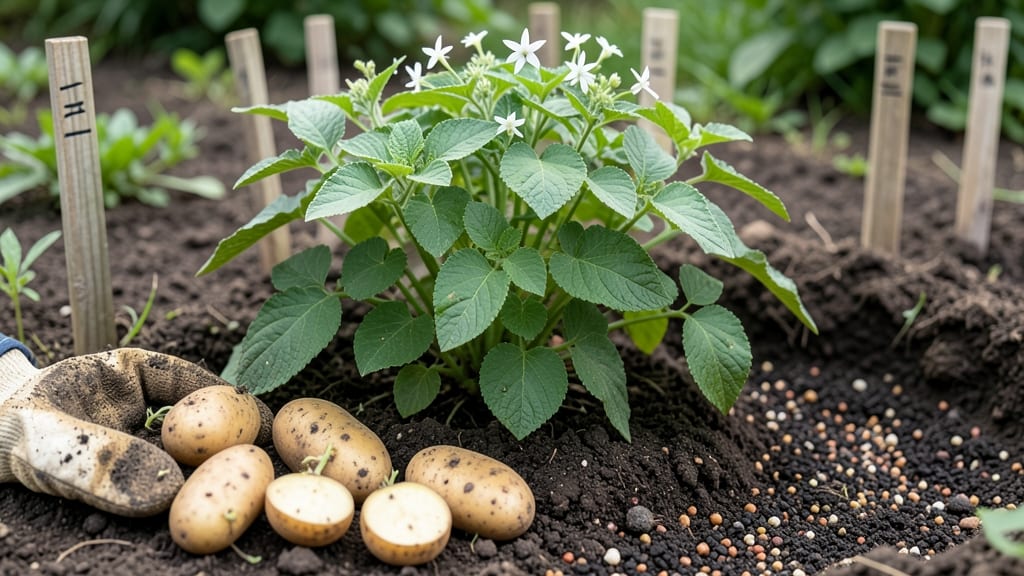
Planting potatoes in Iowa at the right time can mean the difference between a bountiful harvest and wasted effort—especially when spring frost dates shift yearly. While many gardeners assume "as soon as the soil is workable" works, Iowa’s USDA Zones 4a-5b demand precision to avoid frost damage or stunted growth.
For most of Iowa, the ideal window opens 2-4 weeks after your last average frost date, typically between late April and early May.
But here’s the catch: soil temperature matters just as much as calendar dates—wait until it reaches 45°F (7°C) for consistent germination, even if the air feels warmer.
Whether you’re growing early varieties like Yukon Gold or late-season russets, timing your 🥔 plantings with Iowa’s climate zones ensures healthier tubers and fewer pests. I’ll break down the exact frost-free timeline by region, plus pro tips to extend your growing season—so you can plant with confidence, not guesswork.
Ready to turn your garden into a potato powerhouse? Let’s dive into the step-by-step schedule that works for Iowa’s unpredictable springs.
Iowa’s frost-free planting zones: when to plant potatoes by last spring frost dates
Iowa’s USDA Zones 4a-5b create distinct potato planting windows, with northern counties like Dodge and Worth facing later last frosts than southern areas like Appanoose or Davis.
The key is planting 2-4 weeks after your average last frost date, but never before soil reaches 45°F (7°C)—cold soil delays germination and invites rot.
For most of Iowa, this means late April to early May is prime time, but gardeners in Zone 4a (northwest corner) should wait until mid-May to avoid frost damage. Meanwhile, Zone 5b gardeners in southeast Iowa can start as early as early April if using row covers for protection.
Here’s the critical rule: Count backward from your first fall frost date. Most Iowa varieties need 90-120 days to mature, so late plantings risk harvest before winter sets in.
For example, if your first frost is October 15, plant by July 15 for russets or June 15 for early varieties.
Microclimates add another layer. Urban areas like Des Moines may see 2-3°F warmer soils than rural fields, while river valleys (e.g., near the Mississippi) can experience delayed frosts. Always check local frost data from the Iowa State Extension or Almanac for your county.
🌱 Iowa Potato Planting Timeline by USDA Zone
| Zone | Last Avg. Frost | Ideal Planting Window | Soil Temp. Threshold | First Frost Risk |
|---|---|---|---|---|
| 4a (NW IA) | May 10–15 | Mid-May | 45°F+ | Oct 5–10 |
| 4b (Central IA) | April 25–May 5 | Late April–Early May | 45°F+ | Oct 10–15 |
| 5a (SE IA) | April 15–20 | Early April (with covers) | 45°F+ | Oct 20–25 |
| 5b (Southeast IA) | April 5–10 | Early April | 45°F+ | Oct 25–Nov 1 |
*Data sourced from Iowa State University Extension (2024). Adjust for microclimates.
Pro tip: Use a soil thermometer to confirm readiness—45°F (7°C) at 4-inch depth is non-negotiable. Cold soil slows sprouting by 30-50%, leaving your potatoes vulnerable to scab disease or frost heave.
If your soil is still chilly, opt for early varieties like Red LaSoda (60-day maturity) to hedge your bets.
For gardeners in Zone 4a, consider straw mulch (4–6 inches) to warm soil faster. Spread it 2 weeks before planting—it can raise soil temps by 5–10°F and suppress weeds. Just avoid piling it against stems to prevent rot.
Timing isn’t just about frost—it’s also about pest pressure. Planting too early risks Colorado potato beetle infestations, while late plantings may not mature before late blight (Phytophthora) arrives in August.
Balance is key: aim for late April–early May in most of Iowa, then adjust by 7–10 days based on your zone.
Need a backup plan? Some Iowa gardeners swear by fall planting (late August–early September) for a second harvest. If you try this, use certified seed potatoes and harvest before first frost—these tubers store poorly and are best used fresh.
Ready to plant? Mark your calendar for 2–4 weeks after your last frost, test your soil temp, and choose varieties that match your 90–120-day growing window. With Iowa’s climate, precision beats guesswork every time.
Best potato varieties for Iowa’s short vs. long growing seasons (with planting timelines)
Choosing the right potato varieties for Iowa’s climate is key to maximizing your harvest. The state’s short growing season (typically 90–120 frost-free days) means you’ll need a mix of early, mid, and late-season varieties to stretch your harvest from summer through fall.
Early varieties like Yukon Gold mature in just 60–70 days, while late-season Russet Burbank can take up to 120 days.
For northern Iowa (USDA Zone 4a), focus on early-maturing varieties to avoid frost damage. Southern Iowa (Zone 5b) can handle a few late-season varieties, but even there, timing is critical.
The 50-day rule is my secret weapon: plant early varieties 50 days before your first expected frost to harvest before pests like the Colorado potato beetle peak in July.
| Variety | Days to Maturity | Best Planting Window (Iowa) | Iowa-Specific Notes |
|---|---|---|---|
| Yukon Gold | 60–70 days | Early April–mid-May | Buttery texture; harvest before beetles arrive. |
| Kennebec | 80–90 days | Late April–early June | Classic baking potato; resistant to scab. |
| Red Norland | 70–80 days | Early April–mid-May | Great for salads; store well in cool cellars. |
| Russet Burbank | 110–120 days | Late May–early June (southern Iowa only) | Best for frying; needs long season. |
For northern Iowa gardeners, I recommend starting with Yukon Gold or Red Norland in early April, followed by Kennebec in late April. This staggered approach ensures a continuous harvest from June through August.
If you’re in southern Iowa, you can add a late planting of Russet Burbank in early June for a fall harvest, but only if you’re confident in your frost dates.
Pro tip: Use seed potatoes certified for Iowa to avoid diseases like late blight, which thrives in the state’s humid summers. Cut your seed potatoes 2–3 weeks before planting, ensuring each piece has at least 2–3 eyes for faster sprouting.
Store them in a cool, dark place (like a garage or basement) until planting day.
Don’t forget to rotate your planting locations yearly to prevent soil-borne diseases. Potatoes are heavy feeders, so amend your soil with compost or aged manure before planting, and side-dress with balanced fertilizer (5-10-10) when flowers appear.
This ensures your tubers get the nutrients they need to thrive in Iowa’s clay-heavy soils.
Timing your harvest is just as critical as planting. Early varieties should be dug when flowers fade (around 60–70 days), while late varieties need to wait until the foliage yellows and dies back.
Cure your potatoes in a dark, humid space (80°F for 1–2 weeks) to develop their skin and improve storage life—perfect for Iowa’s cold winters.