
Plants
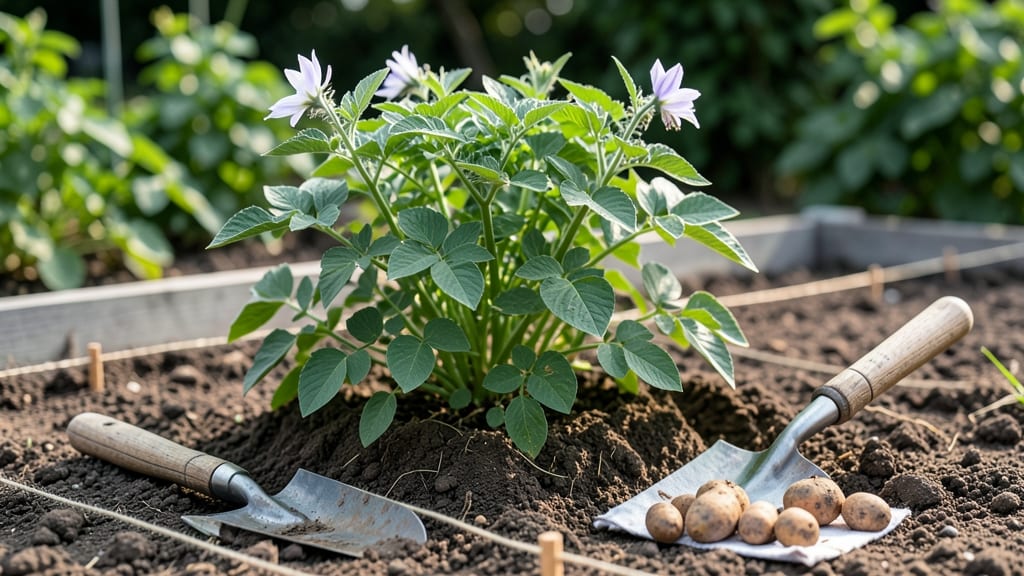
Planting potatoes in Missouri at the wrong time can mean the difference between a bountiful harvest of crisp, golden 🥔 and a sad, frost-bitten pile of mush.
With last frost dates creeping into late March and a growing season that’s shorter than you’d hope, getting your timing right is the key to success.
I’ve spent years growing potatoes in Missouri’s 5b-6b zones, and the best window starts as early as February for hardy varieties—but don’t rush it. The soil needs to warm to at least 40°F before you plant, or those spuds will rot instead of root.
Too late, and you’ll miss peak harvest season by August.
Here’s what you need to know: whether you’re planting early varieties in February or sticking to the safer March-April window, we’ll break down the exact steps to time it perfectly.
Plus, I’ll share my top tricks for beating Missouri’s unpredictable weather—because even the best-laid plans can go sideways with a late frost.
Ready to dig in? Let’s make sure your potatoes get the long, frost-free growing season they deserve, so you can enjoy homegrown spuds from June through August.
Missouri potato planting timeline: frost dates, soil temps, and regional variations
Missouri’s 5b-6b USDA zones mean your potato planting window can stretch from February to April—but timing is everything. The last average frost date hovers around March 15 in most regions, but northern Missouri (like St. Louis) can see frost into early April.
Planting too early risks frost damage to tender sprouts, while waiting too long shortens your harvest window.
For a zero-frost harvest, aim to plant 2-4 weeks before your local last frost date. In southern Missouri (e.g., Springfield), this could mean late February, while northern areas (like Columbia) should wait until early April.
The key is soil temperature—wait until it reaches 40-50°F at least 6 inches deep.
Missouri’s climate varies wildly by region, so I’ve broken down the ideal planting windows for three key areas: St. Louis (Zone 6a), Kansas City (Zone 6b), and Columbia (Zone 6a). Even a 2-week difference can mean the difference between a bountiful harvest and a failed crop.
Here’s the golden rule: Plant early varieties (like ‘Yukon Gold’) in February for a June harvest, or stick to March-April for mid-season varieties (like ‘Red Pontiac’) to avoid late blight risks.
Never plant after May 1, or you’ll miss the 90-120 day growing window most varieties need.
🌱
| Region | Last Frost Date | Ideal Planting Window | Soil Temp Requirement | Harvest Window |
|---|---|---|---|---|
| St. Louis (Zone 6a) | March 20 | Late February - Early April | 40-50°F (6" deep) | June 15 - August 1 |
| Kansas City (Zone 6b) | March 15 | Early March - Mid-April | 40-50°F (6" deep) | June 1 - July 31 |
| Columbia (Zone 6a) | March 25 | Late March - Early May | 40-50°F (6" deep) | June 20 - August 10 |
| Springfield (Zone 6b) | March 10 | February - Early April | 40-50°F (6" deep) | May 30 - July 20 |
🌡️ Pro Tip: Use a soil thermometer to confirm temps before planting!
Missouri’s unpredictable spring weather can throw off even the best-laid plans. That’s why I always check the 10-year frost history for my area—last year’s March 15 frost date might not hold true this year.
For extra security, plant early varieties in February under row covers or in a cold frame to jumpstart growth.
Don’t forget to hill soil around stems as plants grow—this protects tubers from light exposure (which turns them green and toxic) and keeps them insulated from late spring frosts. In Missouri’s humid summers, hilling also improves drainage and reduces blight risks.
If you’re planting in containers, start 2-3 weeks earlier than ground planting—containers warm up faster. Just ensure they’re at least 12 inches deep and use a well-draining mix to prevent rot. My Yukon Golds in containers always harvest a week earlier than in-ground!
For organic gardeners, avoid planting potatoes in the same spot more than once every 3-4 years—they’re heavy feeders and attract pests like colorado potato beetles. Rotate with legumes or brassicas to break disease cycles.
💧
How to adjust planting dates for Missouri’s unpredictable weather: a gardener’s survival guide
Missouri’s weather can throw a curveball—one week you’re planting in 50°F soil, the next you’re scrambling to cover seedlings from a surprise frost. I’ve learned the hard way that rigid planting dates don’t work here.
Instead, I use flexible strategies to extend the growing season and protect my potatoes from Missouri’s late frosts and early cold snaps.
The key is to plant in stages and use protective tools like row covers or cold frames. This way, even if one planting gets hit by frost, the others keep growing.
I’ll show you exactly how to adjust your schedule based on 10-year frost history and local weather patterns—so you can avoid the heartbreak of lost tubers.
⚠️ Late Frost Alert: Missouri’s Most Dangerous Planting Week
April 1-15 is the riskiest time for late frosts in Missouri. Even if the calendar says "spring," temperatures can plunge below 32°F overnight. If you plant early varieties in early March, you’ll have a buffer—but anything after mid-March needs protection.
Solution: Use floating row covers or plant in low-lying areas where cold air settles less. Check the National Weather Service for your county’s frost risk before planting.
Another trick I swear by is succession planting. Instead of planting all your seed potatoes at once, I space them out every 2-3 weeks from late February through early April. This ensures a continuous harvest from June through August, even if one batch gets delayed by weather.
For example, I plant early varieties like ‘Red Norland’ in February, followed by mid-season ‘Yukon Gold’ in March, and finish with late varieties like ‘Kennebec’ in early April.
For gardeners in northern Missouri (zones 5b-6a), where frosts linger longer, I recommend starting seed potatoes indoors in late January using a grow light or sunny windowsill.
Once the soil warms to 40°F (usually by mid-April), transplant the sprouted potatoes outside. This gives you a 4-6 week head start on the growing season.
Don’t forget about soil temperature—it’s just as critical as air temperature. Use a soil thermometer to confirm the ground is at least 40°F before planting. Cold soil slows germination and invites rot diseases.
If your soil is still chilly, wait or use a black plastic mulch to warm it faster. I’ve seen a 10°F difference between shaded and mulched soil in early spring!
Finally, keep an eye on the Missouri Climate Center’s frost maps. Their 10-year frost history shows that St. Louis averages its last frost on April 10, while Kansas City sees frost until April 15.
Adjust your planting dates accordingly—if you’re in a colder microclimate, push back your schedule by a week or two. With these adjustments, you’ll maximize your harvest and minimize the risk of frost damage.