
Plants
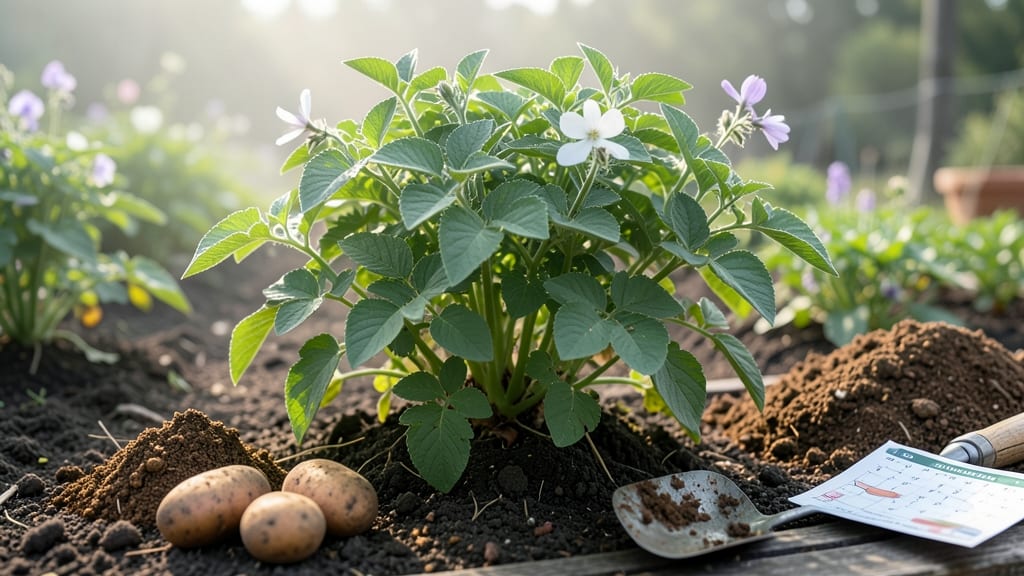
Planting potatoes in Oregon isn’t just about tossing seed potatoes into the soil—it’s about timing them perfectly to match your local frost dates and elevation zone. Whether you’re in coastal Portland or high-desert Bend, getting this right means the difference between a bumper crop of 🥔 and a disappointing harvest.
Most gardeners in Oregon’s 8a-9a zones (like Portland) can start early varieties as soon as the soil warms in March, while inland areas like Bend (6b-7a) should wait until April to avoid frost damage.
The key? Planting 4-6 weeks before your last frost date—but with Oregon’s unpredictable weather, flexibility is everything.
You’ll also want to choose the right varieties for your region. Early-season types like ‘Yukon Gold’ thrive in coastal areas, while heartier varieties like ‘Russet Burbank’ handle inland heat better. And don’t forget: fall planting in September can extend your harvest into winter!
Let’s break down the exact planting windows, soil prep tips, and variety recommendations tailored to your corner of Oregon—so you can grow potatoes like a pro. Ready to dig in?
Oregon’s frost-free dates by elevation zone for potato planting
Oregon’s diverse geography—from the coastal rainforests to the high desert valleys—means potato planting windows vary dramatically. The last frost dates shift by 30+ days between Portland and Bend, making timing everything.
Plant too early, and a late frost will kill your sprouts; too late, and you’ll miss the 90-day growing season needed for a full harvest.
For coastal Oregon (USDA zones 8a-9a), like the Willamette Valley, the average last frost date falls around March 15. Inland areas, such as the Columbia Gorge or Central Oregon (zones 6b-7a), can wait until April 15 or later.
High-elevation spots like the Cascade foothills (zones 5b-6a) may need to delay until May 1 to avoid frost risk.
Soil temperature is just as critical as air temperature. Potatoes sprout best when soil reaches 45°F (7°C). In cooler microclimates, like the Oregon Coast, this might not happen until late March or April. Use a soil thermometer to confirm—planting too soon in cold soil leads to rotting tubers and poor yields.
| Zone | Last Frost Date | Ideal Planting Window | Soil Temp Goal | Harvest Window |
|---|---|---|---|---|
| Coastal (Portland, Salem) | March 15 | February 20 – March 31 | 45°F (7°C) | June – August |
| Inland Valleys (Hood River, Medford) | April 15 | March 15 – April 30 | 45°F (7°C) | July – September |
| High Desert (Bend, La Pine) | May 1 | April 15 – May 15 | 45°F (7°C) | July – October |
| Mountain Foothills (Eugene, Ashland) | April 1 | March 1 – April 15 | 45°F (7°C) | June – September |
If you’re planting early varieties like Yukon Gold or Red LaSoda, you can start as early as late February in southern Oregon (e.g., Rogue Valley). These 60-75 day varieties mature quickly, giving you a head start before summer heat arrives.
For maincrop potatoes like Russet or Kennebec, aim for April 1–May 1 in most regions to ensure a 90-day growing season before frost.
Don’t overlook fall planting for late harvests! In coastal Oregon, you can plant September 1–October 15 for tubers to mature before winter. Inland areas may only have a 30-day window (late August–early September) before frost sets in. Use row covers to extend this window by 2–4 weeks.
Microclimates matter. A south-facing slope in Bend might warm up 2 weeks earlier than a north-facing valley. Observe your garden’s sun exposure and wind patterns—frost pockets in low-lying areas can delay planting by 3+ weeks. For accuracy, check the Oregon State University Extension Service frost maps or use a local weather station like Weather Underground.
Pro tip: Chit your seed potatoes (sprout them indoors) 4–6 weeks before planting to jumpstart growth. This gives you a 2-week advantage in cooler zones. Store them in a cool, bright spot (like a sunny windowsill) until sprouts are ½-inch long—then plant them eyes-up for faster emergence.
Remember, Oregon’s variable weather means flexibility is key. If a late frost threatens, use frost cloth or straw mulch to protect young plants. Conversely, if summer heat arrives early, hill soil around stems to keep tubers cool and prevent greening (solanine buildup).
Best potato varieties for Oregon’s climate and planting schedule
Choosing the right potato varieties for Oregon’s diverse climate is key to avoiding disease and maximizing your harvest. Coastal areas like Portland (USDA Zone 8a-9a) benefit from early-maturing types, while inland regions like Bend (Zone 6b-7a) need varieties that thrive in cooler, shorter seasons.
Let’s match your location to the perfect 🥔 for your planting window.
For coastal Oregon, where mild winters and damp springs demand disease-resistant varieties, try ‘Yukon Gold’ (70-90 days) or ‘Red LaSoda’ (80-100 days). These varieties handle humidity well and mature quickly before summer rains arrive. Plant them in March for an early June harvest.
In inland Oregon, where dry heat and shorter seasons dominate, opt for ‘Russet Burbank’ (90-120 days) or ‘Kennebec’ (80-100 days). These varieties tolerate drought better and store well for winter use. Aim to plant in April to avoid early frost damage.
- 📅 Early Varieties (60-80 days): ‘Red Norland’ (great for new potatoes), ‘Golden Wonder’ (resistant to scab)
- 🌡️ Mid-Season (80-100 days): ‘Yukon Gold’ (buttery texture), ‘Kennebec’ (storage-friendly)
- ❄️ Late Varieties (100-120 days): ‘Russet Burbank’ (classic baking potato), ‘Purple Viking’ (nutrient-rich, disease-resistant)
- 🌧️ Coastal Specialists: ‘LaRouche’ (handles wet soil), ‘Adirondack Red’ (early and blight-resistant)
- ☀️ Inland Heat-Tolerant: ‘Desiree’ (French fry favorite), ‘Monalisa’ (high yield, drought-tolerant)
If you’re experimenting with fall planting (September-October), prioritize cold-hardy varieties like ‘All Blue’ or ‘Chieftain’. These can survive light frosts and produce tubers before winter sets in. Just be sure to harvest before the ground freezes!
For container gardening in urban Oregon, choose compact varieties like ‘Finnish Yellow’ or ‘Swede’, which thrive in 5-gallon pots and mature in 60-70 days. This is perfect for balconies or small spaces where soil space is limited.
Pro tip: Always chit your seed potatoes (sprout them indoors) 4-6 weeks before planting. This jumpstarts growth and ensures your 🥔 hit the ground running—critical for Oregon’s short growing seasons. Pair this with well-draining soil and you’re set for a bountiful harvest!